WBBSE Class 9 Life Science And Environment Chapter 2 Short Answer Questions

Chapter 2 Levels Of Organization Of Life Plant Tissue And Its Distribution Short Answer Type Questions

Question 1. Mention the correlation amongst cells, tissues, organs and body.

Answer:

Cells are the structural and functional unit of a living body. Cells of the same origin and function having similar or dissimilar structures form a tissue. One or more types of tissue when unite to perform a specific function, form a tissue system. Several tissue systems constitute an organ and various organs form a body.

Cell → Tissue → Organ → Organ system → Organism

2 What is the utility of tissues in multicellular organisms?

Answer:

The different utility of tissues in multicellular organisms is as follows:

1. Tissue brings division of labour to increase efficiency.
2. Tissues become organised to form organs and organ systems.
3. It decreases the workload of individual cells.
4. Chances of survival of the organisms increase due to higher efficiency and better organisation.

WBBSE Class 9 Life Science And Environment Chapter 2 Levels Of Organization Of Life Plant Tissue And Its Distribution Short Answer Questions

WBBSE Class 9 Life Science Short Answer Questions

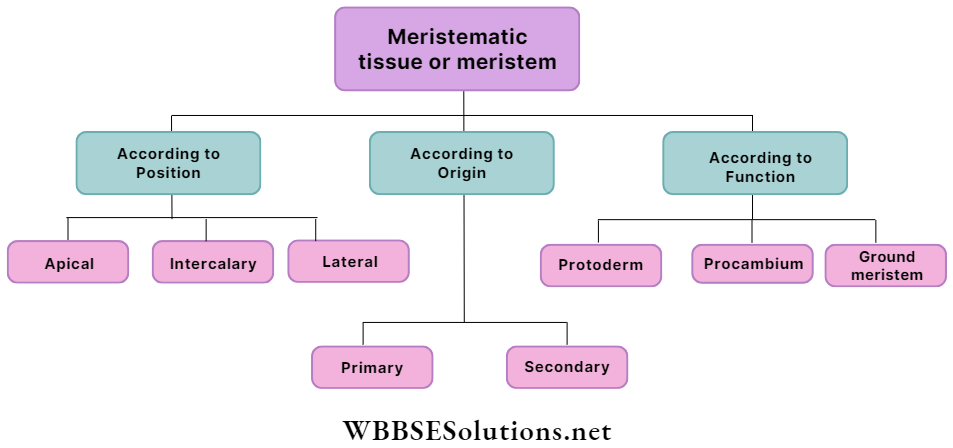
Question 3. Represent the classification of meristematic tissue based on position, origin and function in the form of a chart.

Answer:

We can classify meristematic tissue in the following way:

WBBSE Solutions For Class 9 Life Science And Environment Chapter 2 Levels Of Organization Of Life Plant Tissue And Its Distribution classify meristematic tissues

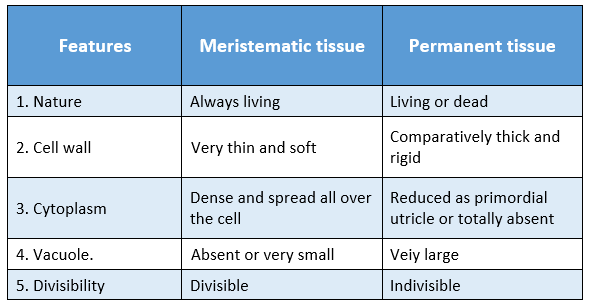
Question 4. Distinguish between meristematic tissue and permanent tissue.

Answer:

Distinguishing features between meristematic tissue and permanent tissue are:

WBBSE Solutions For Class 9 Life Science And Environment Chapter 2 Levels Of Organization Of Life Plant Tissue And Its Distribution features between meristematic and permanent tissue

Key Short Answer Questions on Organic and Inorganic Molecules

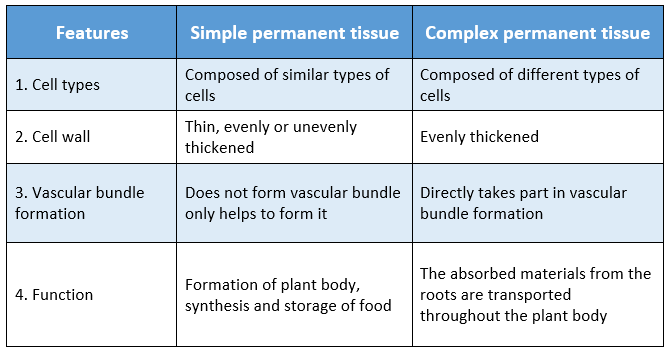
Question 5 Distinguish between simple permanent tissue and complex permanent tissue.

Answer:

Distinguishing features between simple permanent and complex permanent tissue are:

WBBSE Solutions For Class 9 Life Science And Environment Chapter 2 Levels Of Organization Of Life Plant Tissue And Its Distribution features between simple and complex permanent tissue

Question 6. Mention the occurrence of parenchyma cells.

Answer:

The occurrence of parenchyma tissue is as follows:

1. It is seen in the epidermis of all plant parts.
2. It is present in the ground tissue of plants including the cortex, medulla and medullary rays.
3. The mesophyll tissue of leaves is composed of parenchyma.
4. It occurs in the endosperm of seeds.

WBBSE Life Science And Environment Class 9 Solutions

Question 7. Where do you find collenchyma tissue?

Answer:

Collenchyma tissue is mainly found in the hypodermis of the stem. The Midrib and petiole of the leaves and peduncle of flowers are made up of collenchyma.

WBBSE Solutions For Class 9 Life Science And Environment Chapter 2 Levels Of Organization Of Life Plant Tissue And Its Distribution collenchyma issuue.

Important SAQs for Class 9 Life Science Chapter 2

Question 8 Mention the different types of sclerenchyma, based on their features.

Answer:

Features of different types of sclerenchyma are as follows:

1. Sclerenchyma fibres are long and narrow cells with pointed ends.
2. Sclereids are broad with thick-walled cells which occur singly or in small groups.


Question 9. Where do you find sclerenchyma tissue in a plant?

Answer:

Components of sclerenchyma are found in the following parts of the plant:

1. Sclerenchyma fibres are present in the hypodermis, cortex, vascular bundles and pericycle.
2. Sclereids are found in seed coats.

Question 10 Why are some specific types of sclereids called stone cells?

Answer:

The deposition of lignin, cutin and suberin on the cell wall of some short and oval or spherical-shaped sclereids, makes them hard, like stones. The lumen of such cells is almost squeezed due to the deposition.

That is why, these special types of sclereids are called stone cells. Stone cells are responsible for providing mechanical support to the plants.

WBBSE Solutions For Class 9 Life Science And Environment Chapter 2 Levels Of Organization Of Life Plant Tissue And Its Distribution Stone cells

WBBSE Life Science And Environment Class 9 Solutions

Question 11. Mention the functions of the cork cambium and vascular cambium.

Answer:

Functions of cork cambium:

It takes part in the growth of the outer part of the plant body beyond the vascular bundle, to produce cortex and bark to replace ruptured epidermis.
Functions of vascular cambium: It takes part in the formation of the xylem and phloem within the vascular bundle.

Question 12 Write down the functions of the xylem.

Answer:

The main functions of the xylem are the conduction of water and solutes from roots to the different parts of the plants, providing mechanical support to the plant and in some cases, helping in the storage of food materials.

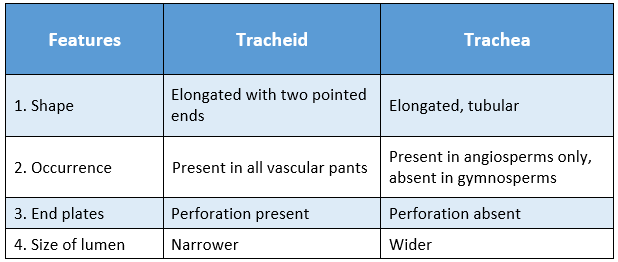
Question 13 Distinguish between tracheid and trachea.

Answer:

Distinguishing features between the tracheid and trachea are:

WBBSE Solutions For Class 9 Life Science And Environment Chapter 2 Levels Of Organization Of Life Plant Tissue And Its Distribution features between tracheid and trachea

Practice Short Answer Questions for Life Science

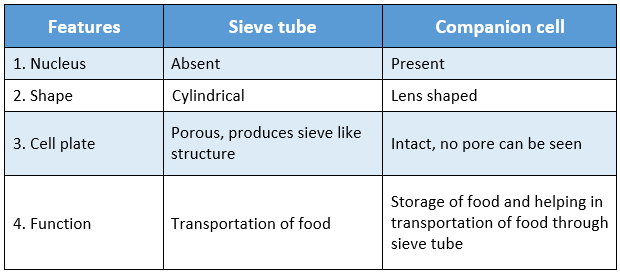
Question 14 Distinguish between the sieve tube and the companion cell.

Answer:

Distinguishing features between the sieve tube and the companion cell are

WBBSE Solutions For Class 9 Life Science And Environment Chapter 2 Levels Of Organization Of Life Plant Tissue And Its Distribution sieve and companion cell

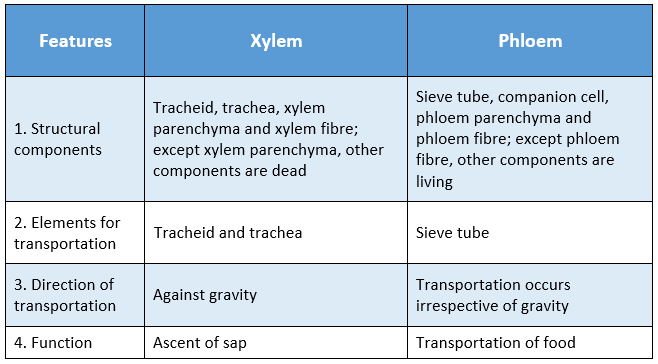
Question 15 Distinguish between xylem and phloem.

Answer:

Distinguishing features between the xylem and phloem are:

WBBSE Solutions For Class 9 Life Science And Environment Chapter 2 Levels Of Organization Of Life Plant Tissue And Its Distribution features between xylem and phloem

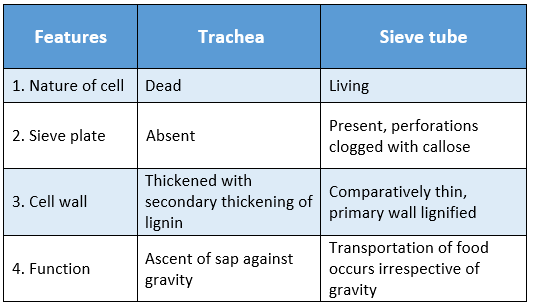
Question 16 Distinguish between the trachea and sieve tube.

Answer:

Distinguishing features between the trachea and sieve tube are:

WBBSE Solutions For Class 9 Life Science And Environment Chapter 2 Levels Of Organization Of Life Plant Tissue And Its Distribution trachea and sieve tube

Chapter 2 Levels Of Organization Of Life Plant Tissue And Its Distribution  Short Answer Type Questions

Question 1. What is meant by epithelial tissue?

Answer:

Epithelial Tissue:-

The tissue, which typically covers the outer surface of the body as well as the inner and outer lining of internal organs, is known as epithelial tissue. It consists of one or more cell layers.

WBBSE Class 9 Life Science Question And Answer

Question 2 What is the basement membrane? What does it do?

Answer:

Basement membrane: The basement membrane is a typical acellular layer of epithelial tissue, composed of materials, somewhat similar to the matrix of connective tissue.

Function: The basement membrane holds the epithelial cells on it. It also helps the epithelium to remain attached to the surface of the connective tissue layer below it.

Question 3 Write the different types of epithelial tissue.

Answer:

It is of three types:

1. Surface protective epithelium,
2. Glandular epithelium,
3. Sensory or neurosensory epithelium.

The surface protective epithelium also has three types:

1. Simple
2. Stratified
3. Pseudostratified.

Concepts Related to Organic and Inorganic Molecules for SAQs

Question 4. Mention the types of simple epithelial tissues.

Answer:

Simple epithelial tissue is of different types:

These are:

1. Squamous epithelium
2. Cuboidal epithelium
3. Columnar epithelium
4. Ciliated epithelium.

Question 5. Mention the distribution of epithelial tissue.

Answer:

Distribution Of Epithelial Tissue:-

Epithelial tissue is present on the outer surface of the body (skin) and the inner lining of the oral cavity, intestine, blood vessels, nasal passage, respiratory tracts, alveoli, renal tubules, urinary bladder, uterus, fallopian tube and different glands.

WBBSE Class 9 Life Science Question And Answer

Question 6 Mention the two functions of simple epithelial tissue.

Answer:

Two functions of simple epithelial tissue are:

1. The tissue helps in the exchange of gaseous and liquid substances.
2. It protects the organs from friction.

Question 7. Mention the characteristics, distribution and function of simple squamous epithelium.

Answer:

Characteristics:

1. Cells of the tissue are larger, flattened and elongated.
2. The nucleus is flattened and oval.
3. The cells remain arranged on the basement membrane.

Distribution: Present in alveoli, peritonium, pleura, loop of Henle and Bowman’s capsule of Kidney.

Function:

1. The tissue helps in the exchange of gaseous and liquid substances.
2. Helps in filtration.
3. Protects the body from microorganisms.

Question 8 Mention the characteristics, distribution and function of cuboidal epithelium.

Answer:

Characteristics:

1. The cells of the tissues are equal in length and breadth.
2. the nucleus of the cell is oval-shaped.
3. The upper surface of the cell is polygonal.

Distribution: Present in the renal tubule, salivary glands, thyroid gland.

Function: Helps in secretion and defence.

Question 9 Mention the characteristics, distribution and function of columnar epithelium.

Answer:

Characteristics:

1. The length of the cell is greater than the breadth.
2. Cells remain arranged on the basement membrane hence called columnar tissue.
3. The nucleus is oval and large in size.
4. Cytoplasm is reticular.

WBBSE Class 9 Life Science Question And Answer

Distribution: Present in the stomach, small intestine, large intestine and in certain glands.

Function:
1. Secretion and defence.
2. Protection.

Question 10 Mention the characteristics, distribution and function of ciliated epithelium.

Answer:

Characteristics:

1. The cells of this tissue is somewhere columnar, somewhere cuboidal.
2. The cells of this tissue bear 28-30 hairlike appendages at their surface.
3. Cilia arise from the basal part.

Distribution: Present in alveoli and its’ adjacent part, uterus, oviduct, and ependymal cells (spinal cord).

Function:
1. Clears mucous, dust particles, and different types of microbes from the respiratory tract.
2. The cell helps to expel the ovum and spermatozoa.

Sample Short Answer Questions from WBBSE Class 9 Life Science

Question 11 Mention the characteristics, distribution and function of the stratified or compound epithelium.

Answer:

Characteristics:

1. The tissue is formed by 3 to 4 cell layers.
2. Cells of the upper layer are large, flattened and quadrangular.
3. Number of nucleus may be one or two.

Distribution: Present in the broadened part of the ureter, in the upper part of the urinary bladder and urinary duct.
Function:
1. Defence
2. Inhibit reabsorption of waste substances.

WBBSE Class Nine Life Science

Question 12 Write the distribution of different types of stratified epithelial tissue.

Answer:

Stratified squamous epithelium:

1. Keratinised hair, nails, horns, and the epidermis of the skin.
2. Non-keratinised-Pharynx, oesophagus, vagina, mouth cavity.

Stratified cuboidal epithelium: Sweat gland, conjunctiva.

Stratified columnar epithelium: Glottis, epiglottis, rectum.

Question 13 Write the characteristics, distribution and function of the pseudostratified epithelium.

Answer:

Characteristics:

1. This tissue though is made up of single-layered cells but the size of the cells is unequal hence it appears like a stratified layer.
2. Cells may be ciliated or non-ciliated.
3. The nucleus of the cells lies at a different plane.

Distribution: Present in the large duct of the salivary gland, urethra, etc.

Function: Protect associated organs and helps in the movement of some substances.

Question 14 What is meant by glandular epithelium?

Answer:

Glandular Epithelium:-

An epithelium, which has assumed secretory function is termed as glandular epithelium. It is present in all types of exocrine and endocrine gland and is associated with the secretion of various secretory substances.

Question 15 Write the distribution of sensory epithelium.

Answer:

Distribution Of Sensory Epithelium:-

WBBSE Class Nine Life Science

The sensory epithelium is found in nasal passages and taste buds.

Understanding Organic vs Inorganic Molecules for SAQs

Question 16 Give two roles of glandular epithelium.

Answer:

Roles Of Glandular Epithelium:-

1. Glandular epithelium present in the inner lining of the gastrointestinal tract secretes various digestive enzymes.
2. In endocrine glands, glandular epithelium secretes hormones.
Image

Question 17 What is meant by connective tissue?

Answer:

Connective Tissue:-

The tissue of mesodermal origin, composed of less cells and more acellular matrix, connecting different tissues is known as connective tissue.

Question 18 Schematically represent different types of connective tissues.

Answer:

Schematic representation of different types of connective tissue is given below:

Question 19 Mention the characteristics and distribution of areolar tissue.

Answer:

Characteristics: Semidistinct, white, with wide intracellular space.

Distribution: This tissue binds the skin with the underlying part.

Question 20 Mention the characteristics and distribution of adipose tissue.

Answer:

Characteristics:

1. Cells are large, rounded and polygonal.
2. The nucleus lies at the periphery and fat remains deposited at the central portion of the cell.

Distribution: Found everywhere in the body but maximum below the skin, mesentery membrane and also in the adjacent area of the kidney.

Question 21 Write the functions of areolar tissue.

WBBSE Class Nine Life Science

Answer:

Functions Of Areolar Tissue:-

1. provides strength and rigidity to the body.
2. Helps in bearing weight.
3. keep the organs in the proper place.
4. Helps to fill the intermediary place of tissue cells.

Question 22 Write the functions of adipose tissue.

Answer:

Functions Of Adipose Tissue:-

1. Resist the Injury.
2. To store fat in the body.
3. Conserve heat in the body.

Question 23 Define weight-bearing connective tissue. Classify it.

Answer:

Weight-Bearing Connective Tissue:-

The connective tissue which helps in bearing weight is called weight-bearing connective tissue or skeletal tissue. It is the hardest tissue.

They are of two types:

1. Cartilage,
2. Bone

Question 24 Write the functions of skeletal muscle.

Answer:

The functions of skeletal muscles are:

WBBSE Class Nine Life Science

1. Helps in the movements of different body parts.

2. Protects many vital soft organs of the body.

Question 25 Connective tissue different types of what do mean by fluid connective tissue.

Answer:

It is a unique type of mobile connective tissue originating from embryonic mesoderm, transferred from one part of the body to another through the cardiovascular system.

Example: Blood.

Study Guide for Class 9 Life Science Short Answer Questions

Question 26 Why blood is called fluid connective tissue?

Answer:

Blood Is Called Fluid Connective Tissue:-

Blood is mesodermal in origin, has fewer cells and more matrix, and it maintains connection among various parts of the body. On the other hand, the matrix of blood, i.e., plasma, is fluid in nature. Therefore, blood is called fluid connective tissue.

Question 27 What is meant by muscular tissue?

Answer:

Muscular Tissue:-

The tissue, which has the ability to contract and relax and is associated with movement, is known as muscular tissue.

Question 28 Mention one function of the tendon and ligament those function of tendon and.

Answer:

The function of the tendon is to connect muscles to bones. The function of the ligament is to connect a bone to another bone.

WBBSE Class Nine Life Science

Question 29 How many types of muscular tissues are found in higher animals?

Answer:

In higher animals three types of muscular tissues are found, these are:

1. voluntary or skeletal muscles,
2. smooth muscles and
3. cardiac muscles.

Question 30. Mention the distribution of muscular tissue.

Answer:

Distribution Of Muscular Tissue:-

1. Voluntary muscles are attached to bones.
2. Smooth involuntary muscles are present in the vital visceral organs, such as the oesophagus, intestine, urinary bladder, and stomach [3] Cardiac muscles are present in the heart.

Question 31 Write down the functions of different types of muscles.

Answer:

Functions Of Different Types Of Muscles:-

1. Skeletal muscles help in movement and locomotion.
2. Smooth muscles control the movement of the visceral organs like the stomach, intestine, urinary bladder, etc.
3. Cardiac muscles are responsible for rhythmic contraction and relaxation of the heart.

Question 32 What do you mean by voluntary or skeletal muscle? Write its functions.

Answer:

Skeletal Muscle:-

Muscles which are normally attached to the bones are called skeletal muscle.

Functions:
1. Contraction of these muscles is under the voluntary control (controlled willingly) of the nervous system. Thus it helps to maintain posture and stabilize bones and joints.
2. Skeletal muscle is associated with reflex action.
3. These muscles can contract rapidly and are responsible for quick movements and thereby coordinates the entire body.

WBBSE Class Nine Life Science

Question 33 Write the functions of unstriated muscles.

Answer:

Functions Of Unstriated Muscles:-

1. Unstriated muscle fibres present around the blood vessels, help to maintain blood pressure.
2. Unstriated muscle fibre in the digestive tract helps in the movement of food substances and thereby assists in digestion.
3. The presence of unstriated muscle in air passages regulates the inflow and outflow of air.
4. In the renal system unstriated muscle fibres propel the urine from the kidney to the urinary bladder.

Question 34 What do you mean by intercalated disc. State its significance.

Answer:

Intercalated Disc:-

Special fibrous discs are present at intervals of They are transmitting the signals of nerve cardiac muscle is known as the Intercalated disc. impulse between the cells of the heart.

Question 35 Define the haversian canal. Or, Write its distribution.

Answer:

Haversian Canal:-

Each osteon consists of a single central canal, known as a haversian canal, surrounded by concentric layers of calcified bone matrix. It allows the passage of blood vessels, lymphatic vessels and never fibres.

Question 36 Name single-nucleated and multinucleated muscle cells.

Answer:

Single-Nucleated And Multinucleated Muscle Cells:-

WBBSE Class Nine Life Science

The single-nucleated muscle cell is an unstriated muscle cell, present in the visceral organ. The multinucleated muscle cell is a striated muscle cell, present in the hands and legs.

Question 37 What is nervous tissue?

Answer:

Nervous Tissue:-

The tissue, which is responsible for receiving and transmitting impulses and thereby coordinating different parts of the body, is known as nervous tissue.

Question 38 What are the cellular components of nervous tissue? Where do you find those components?

Answer:

Cellular components of nervous tissue: Neurone and neuroglia are the two cellular components of nerve tissue.

Distribution of neurone and neuroglia: Neurones are present in the brain, spinal cord, sense organs and nerves. Several neurones, surrounded by connective tissue, form a nerve. Neuroglia cells are found in the brain and spinal cord as packing material of neurones, providing them with necessary support and insulation.

Question 39 Write the functions of nervous tissue.

Answer:

Functions Of Nervous Tissue:-

1. Nerve tissue receives external and internal stimuli and responds to them.
2. It carries impulses and makes the body aware of the changes in the environment.
3. It helps to maintain coordination among all organs within the body.

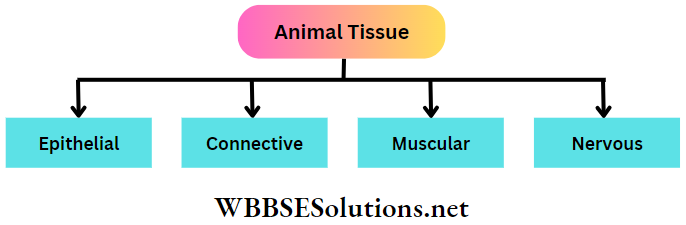
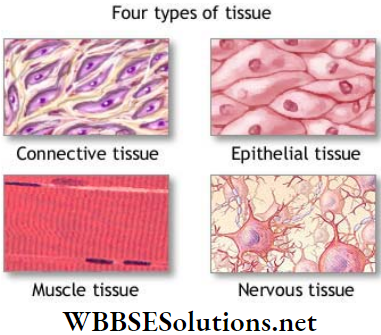
Question 40 Classify different types of animal tissue.

Answer:

Classification of animal tissue is given below:

WBBSE Solutions For Class 9 Life Science And Environment Chapter 2 Levels Of Organization Of Life Plant Tissue And Its Distribution animal ussues

Question 41 Define the term:
1. Axon-hillock
2. End brush.

WB Class 9 Life Science Question Answer

Answer:

1. Axon-hillock: The part of the cell body. from where the axon originates is called axon-hillock.
2. End brush: The terminal end of branches are nodular called terminal buttons or end brush. 45

Question 42 Write different membranes of the axon arranged in proper order.

Answer:

Neurilemma, myelin sheath and axolemma

Question 43 What are the nodes of Ranvier?

Answer:

Nodes Of Ranvier:-

The continuity of myelin sheath myelinated axon is interrupted by several constrictions. These are called nodes of Ranvier.

Question 44 What do you mean by synapse?

Answer:

Synapse:-

Synapse is the junctional region as anatomical border in nervous system where one neurone ends and the next neurone starts.

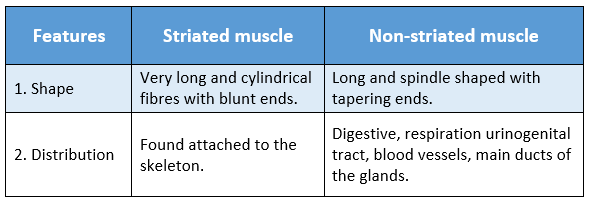
Question 45. Write the difference between striated and non-striated muscles.

Answer:

The differences between striated and non-striated muscles are:

WBBSE Solutions For Class 9 Life Science And Environment Chapter 2 Levels Of Organization Of Life Plant Tissue And Its Distribution striated and non stiated muscles

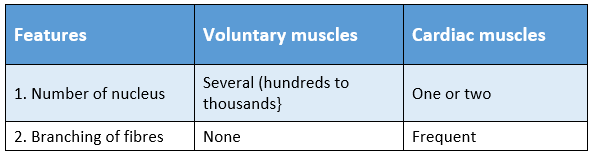
Question 46. Write the difference between voluntary muscle and cardiac muscle.

Answer:

The differences between voluntary muscle and cardiac muscle are:

WBBSE Solutions For Class 9 Life Science And Environment Chapter 2 Levels Of Organization Of Life Plant Tissue And Its Distribution voluntry muscle and cardiac mscle

WBBSE Class 9 Life Science And Environment Chapter 2 Long Answer Questions

Chapter 2 Levels Of Organization Of Life Plant Tissue And Its Distribution Long Answer Type Questions

Question 1. What is meant by tissue? How plant tissues can be classified into different types?

Answer:

Tissue:
Tissue is the assemblage of a number of structurally similar or dissimilar cells having the same origin and function.

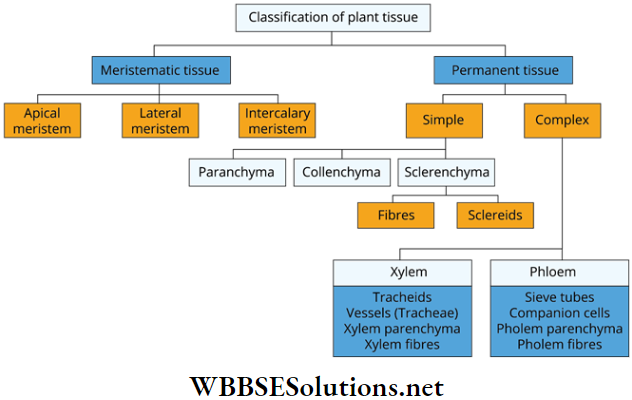
Classification of different plant tissues:

WBBSE Solutions For Class 9 Life Science And Environment Chapter 2 Levels Of Organization Of Life Plant Tissue And Its Distribution different plant tissues

Wbbse Class 9 Life Science Solutions

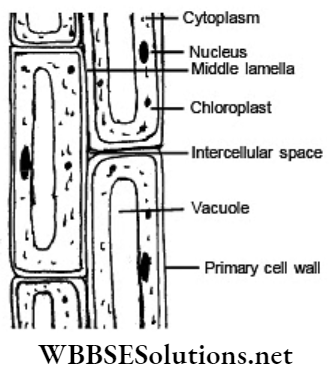
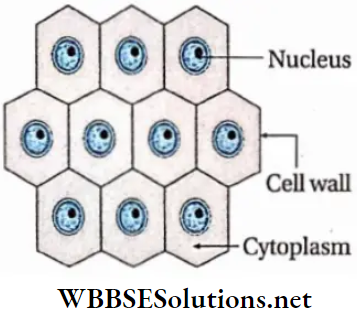
Question 2 What is meant by meristem or meristematic tissue? Describe the characteristic features of the meristematic tissue with a simple diagram.

Answer:

Meristem or meristematic tissue:

Meristems or meristematic tissues are cells or groups of cells that are capable of undergoing cell division.
Characteristic features of meristematic tissue

Read and Learn More Class 9 Life Science Long Answer Questions

The characteristic features of meristematic tissue are as follows:

1. Cells are living, undifferentiated, polygonal, spherical, or oval in shape.
2. Cells are densely packed and without intercellular spaces.
3. The cell wall is thin, made up of cellulose.
4. The nucleus is large and distinct.
5. The cytoplasm is dense, and vacuoles are generally absent.
6. The cells are capable of undergoing cell division.

WBBSE Solutions For Class 9 Life Science And Environment Chapter 2 Levels Of Organization Of Life Plant Tissue And Its Distribution simple diagram of meristematic tissue

WBBSE Class 9 Life Science Long Answer Questions

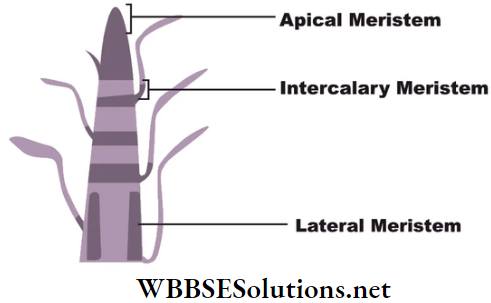
Question 3 Describe the distribution of different meristematic tissues with their functions and support your answer with a diagram.

Wbbse Class 9 Life Science Solutions

Answer:

Distribution of meristematic tissues:

Based on occurrence, meristematic tissues can be sub-divided into three types, which are as follows:

1. Apical meristem: It occurs at the tip of roots and shoots.

Function: Apical meristem gives rise to the primary plant body and helps the root and shoot of the plant to grow in length.

2. Intercalary meristem: It occurs near the nodes of growing shoots, in between two layers of permanent tissues.

Function: This makes the young internodes longer and also helps in the growth of leaves.

WBBSE Class 9 Life Science And Environment Chapter 2 Levels Of Organization Of Life Plant Tissue And Its Distribution Long Answer Questions

Levels of Organisation of Life Long Answer Questions

3. Lateral meristem: It occurs along the lateral position of roots and stems of higher plants. It divides laterally and makes the plant thicker.

It is of two types:

1. Vascular cambium (fascicular cambium): It occurs within the vascular bundle.
2. Cork cambium (phellogen): It occurs outside the vascular bundle.

Function: Vascular cambium helps in the formation of secondary xylem and secondary phloem tissues and cork cambium is responsible for secondary growth that replaces the epidermis in roots and stems.

WBBSE Solutions For Class 9 Life Science And Environment Chapter 2 Levels Of Organization Of Life Plant Tissue And Its Distribution types of meristematic tissue

Question 4. What is meant by permanent tissue? Mention its distribution, characteristics and functions.

Answer:

Permanent tissues:

The plant tissues in which cells have lost their capability of undergoing cell division are known as permanent tissues.

Distribution of permanent tissue:

According to the function, permanent tissues are located in various regions within a plant body. simple permanent tissues are found below the epidermis. Parenchyma is found in the mesophyll of leaves and in the cortex of the stem and root. Collenchyma is generally found in the leaf stalks and leaf midribs.

Sclerenchyma is found in stems around the vascular bundles, hard covering of seeds and nuts, and in the leaf veins. Complex permanent tissues can be found throughout a plant body.

Wbbse Class 9 Life Science Solutions

Characteristics of permanent tissue:

1. Cells of these tissues do not divide any further.
2. These are mature cells, so they have attained definite size, shape, structure and perform a particular function.
3. Cells have larger vacuoles. Intercellular spaces are often present.
4. Cell walls are comparatively thick. Often ornamentations are present on cell wall.
5. These tissues comprise of either dead or living cells. In living cells, smaller nucleus with reduced protoplasm is observed.
6. Metabolic rate within the cells of this tissue is slower in comparison to that of meristematic cells.

Function: These tissues are involved in protection, support, transportation or secretion.

Important Long Answer Questions for Class 9 Life Science

Question 5. Classify simple permanent tissue by describing the characteristic features of each.

Answer:

Classification of Simple Permanent Tissue:

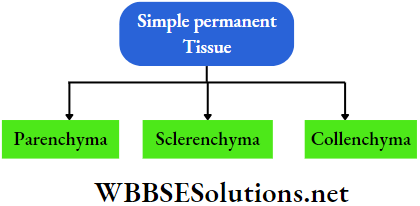
On the basis of their shapes, simple permanent tissues are classified into three groups-parenchyma, collenchyma, and sclerenchyma.

WBBSE Solutions For Class 9 Life Science And Environment Chapter 2 Levels Of Organization Of Life Plant Tissue And Its Distribution classification of simle permanent tissue

1. Parenchyma:
1. Cells are spherical, oval, or polyhedral.
2. Cell wall is thin and made up of cellulose.
3. Cells living with dense protoplasm.
4. Cell contains distinct nucleus and vacuoles.
5. Cells are with intracellular spaces.
6. Cells are of three types:
1. Chloroplast containing chlorenchyma
2. Air cavity containing aerenchyma
3. Tanins, oils and calcium oxalate crystal containing idioblast.

2 Collenchyma:
1. Simple tissue consisting of unevenly thick-walled living cells.
2. On the basis of cell wall thickenings, collenchyma is of the following three types:
1. Lamellar or plate-like
2. Lacular or tubular
3. Angular.

NEET Biology Class 9 Question And Answers WBBSE Class 9 History Notes WBBSE Solutions for Class 9 Life Science and Environment
WBBSE Class 9 Geography And Environment Notes WBBSE Class 9 History Multiple Choice Questions WBBSE Class 9 Life Science Long Answer Questions
WBBSE Solutions for Class 9 Geography And Environment WBBSE Class 9 History Long Answer Questions WBBSE Class 9 Life Science Multiple Choice Questions
WBBSE Class 9 Geography And Environment Multiple Choice Questions WBBSE Class 9 History Short Answer Questions WBBSE Solutions For Class 9 Maths
WBBSE Solutions for Class 9 History WBBSE Class 9 History Very Short Answer Questions


3. Sclerenchyma:
1. Simple tissue consisting of evenly thickened-walled dead cells.
2. Cell wall contains lignin.
3. It is of two types:
1. Sclerenchyma fibers.
2. Sclereids.

Wbbse Class 9 Life Science Solutions

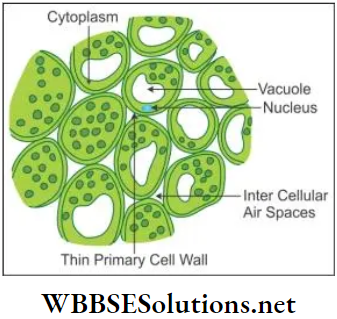
Question 6. Describe the characteristic features of parenchyma tissue with simple diagram. Mention its functions in a plant body.

Answer:

Characteristic features of parenchyma tissue:

The characteristic features of parenchyma tissue are as follows:

1. Cells are living and thin-walled, almost equal in size and shape.
2. Cells are loosely packed with distinct intercellular spaces.
3. Vacuoles are large. Cytoplasm becomes peripheral, forming a primordial utricle with a distinct nucleus.

Functions of parenchyma tissue:

WBBSE Solutions For Class 9 Life Science And Environment Chapter 2 Levels Of Organization Of Life Plant Tissue And Its Distribution paranchyma tissue

The functions of parenchyma tissue are as follows:

  1. Simple parenchyma cells occur in the ground tissue and store food.
  2. Aerenchyma maintains buoyancy in floating and submerged aquatic plants.
  3. Chlorenchyma takes part in photosynthesis.
  4. Idioblasts store mineral crystals, oil, excretory matter, etc.
  5. Parenchyma cells take part in gaseous exchange which can be performed because of the presence of intercellular spaces.
  6. In the form of epidermis or epiblema, parenchyma protects all plant parts.


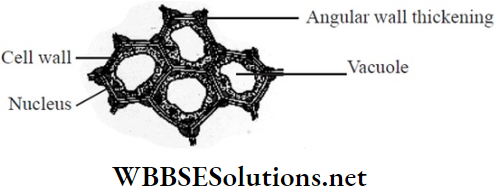
Question 7. Describe the characteristic features of collenchyma tissue with a diagram. Mention the function of this tissue.

Answer:

Characteristic features of collenchyma tissue:

The characteristic features of collenchyma tissue are as follows:

1. Cells are living and are of almost identical size. They are cylindrical, but in cross-section, appear polygonal.
2. Cell wall is made up of cellulose, hemicellulose, and pectin. The cell wall is unevenly thickened at the corners.
3. Less intercellular space is present.
4. Vacuole is large. The cytoplasm is present as a primordial utricle.
5. Chloroplast may be present.

Functions of collenchyma tissue:

The functions of collenchyma tissue are as follows:

1. Collenchyma tissue provides mechanical strength.
2. It provides flexibility to plant parts and prevents them from breaking.
3. This type of tissue helps to store food.
4. It also carries out photosynthesis.

WBBSE Solutions For Class 9 Life Science And Environment Chapter 2 Levels Of Organization Of Life Plant Tissue And Its Distribution collenchyma tissue

Wbbse Class 9 Life Science Solutions

Question 8. Describe the characteristic features of sclerenchyma tissue. Mention the functions of this tissue.

Answer:

Characteristic features of sclerenchyma tissue:

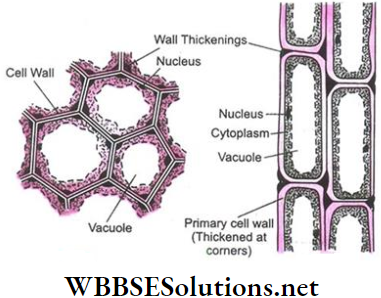
The characteristic features of sclerenchyma tissue are as follows:

1. Mature Cells are dead, devoid of protoplasm and have a narrow lumen.
2. Cells are without inter-cellular space.
3. The cell wall is evenly thickened and highly lignified.
4. In some places, pits are present on the cell wall.
5. Some cells are thin, elongated and pointed. These are called sclerenchyma fibres. Some are wide with very thick cell wall, which are called sclereids.

Functions of sclerenchyma tissue

The functions of sclerenchyma tissue are as follows:

1. Sclerenchyma tissue provides mechanical strength.
2. It makes the plant parts rigid.
3. Sclereids especially form tough seed coats of legume fruits and the endocarp of a drupe.
4. This tissue also protects plant parts from getting wet.

WBBSE Solutions For Class 9 Life Science And Environment Chapter 2 Levels Of Organization Of Life Plant Tissue And Its Distribution Sclerenchyma tissue

Wbbse Class 9 Life Science Solutions

Question 9. Write down the structure of sclerenchyma fibres.

Answer:

The structure of sclerenchyma fibres is as follows:

1. Sclerenchyma fibres are very fine and long with two pointed ends.
2. Cells are without intercellular spaces and are compactly arranged sidewise to form bundles.
3. The cell wall is evenly thickened with bordered pits and the lumen is narrow.
4. Cells are dead and appear polygonal in cross-section.
5. The sclerenchyma fibres occurring in the xylem are called wood fibres. These fibres, when occur in phloem are called bast fibres.

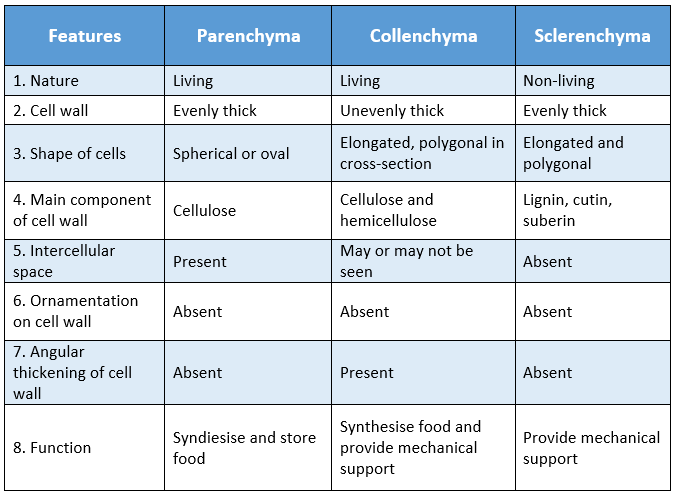
Question 10 Compare the characteristic features of parenchyma, collenchyma and sclerenchyma.

Answer:

Comparison among parenchyma, collenchyma and sclerenchyma:

WBBSE Solutions For Class 9 Life Science And Environment Chapter 2 Levels Of Organization Of Life Plant Tissue And Its Distribution features of parenchyma collenchyma and sclerenchyma

Question 11 Mention the living and non-living components of the xylem. Write down its function.

Answer:

Components of Xylem:

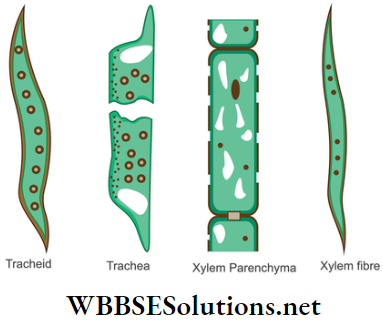
Xylem has four typical components. These are the tracheid, tracheae or vessels, xylem parenchyma and xylem fibres. Among them, the xylem parenchyma is the living component of the xylem, whereas, the rests are non-living components.

Characteristic features of xylem components:

The characteristic features of xylem components are as follows:

1. Tracheids are dead, elongated cells with two pointed ends. Unevenly lignified thickening of walls creates different patterns. Pits are present in the cell wall. These cells take part in water transportation throughout the plant body.
2. Vessels or tracheae are long, tubular dead cells without end walls. Lumen is wider than that of tracheids. The wall of the vessels possesses many pits. These cells also carry sap. Numerous cells are arranged in a row to form long continuous vessels.
3. Xylem fibres are composed of dead cells, which are very thin & long with pointed ends. The cell wall of xylem fibre is thick with a narrow lumen. These cells provide mechanical strength and rigidity to the plant body.
4. Xylem parenchyma is the only component of the xylem tissue which is composed of living cells. It has a thin cell wall and it contains protoplasm.

WBBSE Solutions For Class 9 Life Science And Environment Chapter 2 Levels Of Organization Of Life Plant Tissue And Its Distribution different components of xylem tissue

WBBSE Life Science And Environment Class 9 Solutions

Question 12 Give a brief description of the structure of the trachea. Mention the occurrence and functions of the trachea.

Answer:

Structure of tracheae or vessels:

The structure of the tracheae is as follows:

1. These cells are dead, long and tubular in shape with completely or partially open ends.
2. The wall is lignified with bordered pits. Ornamentations are often found on the wall due to uneven thickening.
3. The lumen present here, is the widest among, all xylem components.
4. Several tracheal cells remain arranged one after another to form a continuous tube due to the dissolution of end walls.

Occurrence of tracheae or vessels:

These xylem components occur in all angiosperms and a gymnosperm named Gnetum. Functions of trachea

The functions of the trachea are as follows:

1. It transports sap from roots to leaves.
2. Trachea provides mechanical support to the plant body.

Practice Long Answer Questions for Class 9 Life Science

Question 13 Give a brief description of the structure of the Xylem Parenchyma. Mention its occurrence and functions.

Answer:

Structure of xylem parenchyma:

The structure of xylem parenchyma is as follows:

1. These are living cells with cytoplasm and a small nucleus.
2. The cell wall is thin and composed of cellulose.
3. The cells are almost isodiametric and their lateral walls have few simple pits.

Occurrence of xylem parenchyma:

Xylem parenchyma is present in the vascular bundle of all angiosperms and most of the gymnosperms, except pines.

Functions of xylem parenchyma:

The functions of xylem parenchyma are as follows:

1. It helps in the transportation of sap and also helps in lateral transportation.
2. It stores nutrients like carbohydrates, fats and excretory matters like tannin, inorganic crystals, etc.

Question 14. Give a brief description of the structure of Xylem fibre. Mention its occurrence and functions.

Answer:

Structure of xylem fibres:

The structure of xylem fibres is as follows:

1. The cells of xylem fibre are dead, very fine with pointed ends.
2. Cells have very narrow lumen.
3. The cell wall is very thick due to heavy lignification and rigid with both simple and bordered pits.
4. Fibres are of two types-libriform fibre and tracheid fibre.

Occurrence of xylem fibres:

Xylem fibres are present in the vascular bundle of all angiosperms and most of the gymnosperms, except pines.

Functions of xylem fibres:

The functions of xylem fibres are as follows:

1. These provide mechanical support to the plant body.

2. These also store food material and certain excretory matters.

Key Concepts in Levels of Organisation for Long Answers

Question 15. What is phloem? Describe the distribution, characteristics and function of phloem.

Answer:

Phloem:

The organic food conducting complex tissue in vascular plants is known as phloem.

These are composed of four elements:

1. sieve tubes
2. companion cells
3. phloem fibre or bast fibre
4. phloem parenchyma.

Distribution/Location:

Phloem is present in vascular bundles of root, stem and leaves.

Characteristics:

1. These are complex, living permanent tissue.
2. All the cell elements of this tissue are living except phloem fibre.
3.

The cell wall is thin, composed of cellulose except for phloem fibre.

Function:

The main functions of the phloem are the conduction of food matters from leaves to different regions of the plant body and its storage.

WBBSE Life Science And Environment Class 9 Solutions

Question 16. Describe the characteristic features of these components.

Answer:

Characteristic features of phloem components:

The characteristic features of phloem components are as follows:

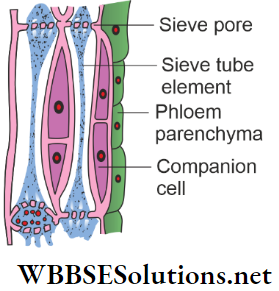
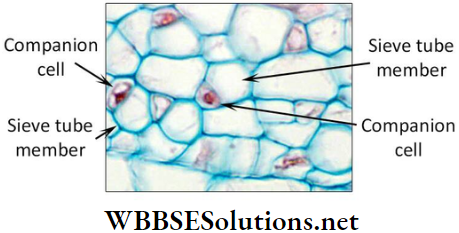
1. Sieve tubes are living cylindrical cells with perforated end walls, called sieve plates. The nucleus is absent in mature cells. Several sieve tubes are arranged in a row forming a long tube. It helps in the transportation and storage of food.
2. Companion cells are lens-shaped cells with prominent nuclei and dense cytoplasm. They are present on either side of the sieve tube. These help sieve tubes in the transportation of food.
3. Phloem parenchyma has granular cytoplasm and a thin cell wall made up of cellulose. This component of phloem stores organic and orgastic materials.
4. Phloem fibre is the only non-living component of phloem. It is elongated with lignified walls. Pits are present in the cell wall. Fibres provide mechanical support to plant parts.

WBBSE Solutions For Class 9 Life Science And Environment Chapter 2 Levels Of Organization Of Life Plant Tissue And Its Distribution different components of phloem tissue

Sample Long Answer Questions from WBBSE Class 9 Life Science

Question 17. Give a brief description of the structure of the sieve tube. Mention its occurrence and functions.

Answer:

Structure of sieve tube:

The structure of the sieve tube is as follows:

1. Sieve tubes are tubular in shape, arranged longitudinally one after another to form a continuous pipe.
2. The matured cells have cytoplasm but no nucleus inside.
3. The wall is thin and composed of cellulose.
4. The two terminal walls are well-perforated and are called sieve plates.
5. The connection between two sieve cells is made by cytoplasmic strands through sieve pores.

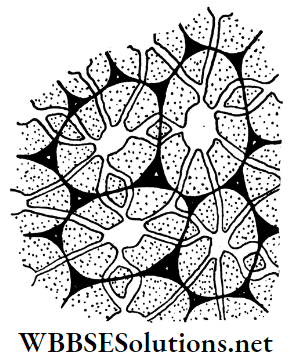
WBBSE Solutions For Class 9 Life Science And Environment Chapter 2 Levels Of Organization Of Life Plant Tissue And Its Distribution T.S. of phloem to show sieve plate

Occurrence of sieve tube:

Sieve tubes are present in pteridophytes and all flowering plants.

Functions of sieve tube:

The functions of sieve tubes are as follows:

1. They help in the transportation of food.
2. They also occasionally store food.

Question 18. Give a brief description of the structure of the companion cell. Mention its occurrence and functions.

Answer:

Structure of companion cell:

The structure of companion cells is as follows:

1. The cells are living, full of dense cytoplasm and with a distinct nucleus.
2. The cells have thin walls, made up of cellulose and appear triangular in cross-section.
3. Laterally, these cells are lens-shaped.
4. These cells keep a close association with the sieve tube through pits and plasmodesmata on the lateral wall.

Occurrence of companion cell:

Companion cells occur in the phloem of all angiosperms and in a single gymnosperm, named Gnetum sp.

Functions of companion cell:

The functions of companion cells are as follows:

1. The help in the transportation of food through a sieve tube.
2. They also store carbohydrates and help in lateral transport.

Question 19. Give a brief description of the structure of phloem parenchyma. Mention its occurrence and functions.

Answer:

Structure of phloem parenchyma:

The structure of phloem parenchyma is as follows:

1. The cell wall is thin and made up of cellulose. It is rarely lignified and pitted.
2. The shape of the cells is elongated, cylindrical and radially arranged with the plant axis.
3. The cytoplasm of these cells stores starch, resin, tannin, etc.

Occurrence of phloem parenchyma:

It can be observed in all dicot plants but monocot plants never possess phloem parenchyma. Pteridophytes and gymnosperms also have these cells in the phloem.

Functions of phloem parenchyma:

The functions of phloem parenchyma are as follows:

1. It helps in food transport.
2. It stores different organic matter and excretory substances.
3. It helps in the lateral transport of organic food matter.

WBBSE Life Science And Environment Class 9 Solutions

Question 20. Give a brief description of the structure of phloem fibre. Mention its occurrence and functions.

Answer:

Structure of phloem fibre:

The structure of phloem fibre is as follows:

1. These cells are non-living, with a very fine and hollow lumen.
2. The cells are long with pointed ends.
3. The cell wall is thick, well-lignified and commonly with simple pits.
4. The cells remain arranged one after another along the length.
2. Fibres are overlapped to form bundle.

Occurrence of phloem fibres:

Phloem fibres are present in angiosperms only.

Functions of phloem fibres:

The functions of phloem fibres are as follows:

1. These provide mechanical support to the plant body.
3. These also store food matter, like starch.

Chapter 2 Levels Of Organization Of Life Plant Tissue And Its Distribution  Long Answer Type Questions

Question 1. Describe the structure of epithelial tissue. Mention its functions.

Answer:

Structure of epithelial tissue:

1. The cells are present on a basement membrane made up of collagenous materials.
2. Cells are densely packed and are joined together by mucoproteins (a special type of glycoprotein).
3. Cells of this tissue are either arranged in a single layer or in multilayers.
4. Cells do not get a direct blood supply. They receive oxygen and nutrients from underlying tissues.

Functions of epithelial tissue:

1. Epithelial tissue provides protection to the animal body and its various organs.
2. Epithelial tissue like squamous epithelium, takes part in gaseous exchange.
3. Columnar epithelial cells help in absorption and secretion.
4. Certain cuboidal and glandular epithelial cells secrete enzymes and hormones.

WBBSE Class 9 Life Science Question And Answer

Question 2. Mention the distribution of connective tissue. Briefly mention the structure of connective tissues.

Answer:

Distribution of connective tissue:

1. Areolar tissue is present below the skin, between muscles, outer coatings of nerves and walls of blood vessels.
2. Fibrous tissues are present in tendons, ligaments, walls of arteries, trachea and larynx.
3. Adipose tissue is found below the skin, mammary glands, and surrounding vital organs like the heart, kidney, etc.
4. Bones and cartilage are found in the skeletal parts.
5. Blood and lymph are present in the circulatory system.

WBBSE Solutions For Class 9 Life Science And Environment Chapter 2 Levels Of Organization Of Life Plant Tissue And Its Distribution Different types of connective tissues

Structure of connective tissue:

1. Connective tissue originates from the mesoderm layer of the embryo.
2. It possesses fewer cells, which remain loosely placed in the intercellular matrix.
3. Cells of connective tissue are of various types with different sizes, shapes, intra and intercellular components and functions.
4. Some fibrous materials like collagen, elastin etc. may be present in the matrix.
5. The matrix may be soft, jelly-like (areolar and adipose tissue), liquid (blood, lymph), rigid (bone), or elastic (cartilage).

Question 3 Briefly describe the structure of muscular tissue. Distinguish between muscular tissue and nervous tissue.

Answer:

Structure of muscular tissue:

1. Muscle cells are commonly called muscle fibres. These are thin, elongated, cylindrical or spindle-shaped.
2. Bundles of muscle fibres, surrounded by connective tissue, constitute a muscle.
3. Muscle fibres may be uninucleated, multinucleated, unbranched or branched.
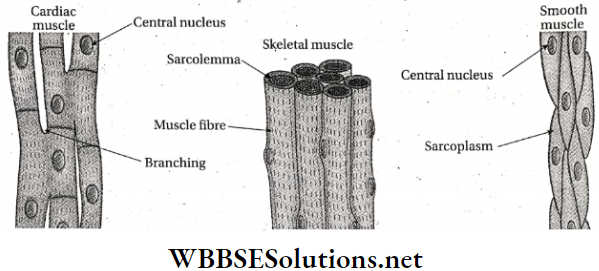
4. The cytoplasm of muscle cells is called sarcoplasm, which remains surrounded by sarcolemma. Within sarcoplasm, several longitudinal contractile proteins are present, which help in the contraction and relaxation of muscles.

WBBSE Solutions For Class 9 Life Science And Environment Chapter 2 Levels Of Organization Of Life Plant Tissue And Its Distribution Different different types of muscular tissue

Differences between muscular tissue and nervous tissue:

WBBSE Solutions For Class 9 Life Science And Environment Chapter 2 Levels Of Organization Of Life Plant Tissue And Its Distribution muscular tissue and nervous tissue diferences

WBBSE Class 9 Life Science Question And Answer

Question 4. Mention the functions of different types of connective tissues. Distinguish between epithelial tissue and connective tissue.

Answer:

Functions of connective tissue:

1. Areolar tissue acts as packing material between the organs.
2. Adipose tissue stores fat for future use, keeps the body warm and acts as a cushion to protect the body against mechanical injury.
3. Bones and cartilages form the skeleton to give mechanical support to the body of the vertebrates.
4. Fibrous tissue provides elasticity and mechanical support.
5. Blood and lymph act as transporting fluid, carrying nutrients, hormones, respiratory gases, etc. to different parts of the body.

Differences between epithelial and connective tissue:

WBBSE Solutions For Class 9 Life Science And Environment Chapter 2 Levels Of Organization Of Life Plant Tissue And Its Distribution epithelial and connective tissue differences

Question 5. Describe the structure of a neurone.

Answer:

Structure of a neurone:

1 Neurone has two parts, the cell body or neurocytoma and some processes.
2 Neurocyton or cell body is covered by a typical cell membrane surrounding the protoplasm.
3 Protoplasm has a distinct nucleus and cytoplasm with various cell organelles.
4 Apart from mitochondria, Golgi body, ER etc., the cytoplasm of a neurone has some nucleoprotein granules, known as nissl granules.
5 Processes of a neurone are axon and dendron.
6 Axon is the longer part with fewer branching. A few axons have an extra thick insulating cover on it, called myelin sheath.
7 Myelin sheath is interrupted by several constrictions. These are called nodes of Ranvier.
8 A special type of cell called Schwann cell, is also found along, the length of the axon.
9 The axon ends with a few branches, commonly called as end brush.
10 The dendron is shorter and well-branched. These branches are known as dendrites.

WBBSE Solutions For Class 9 Life Science And Environment Chapter 2 Levels Of Organization Of Life Plant Tissue And Its Distribution A neurone

Study Guide for Class 9 Life Science Long Answer Questions

Question 6. Compare the features of voluntary, involuntary and cardiac muscle.

Answer:

Comparison among voluntary, involuntary and cardiac muscle:

WBBSE Solutions For Class 9 Life Science And Environment Chapter 2 Levels Of Organization Of Life Plant Tissue And Its Distribution voluntary invaluntary and cardiac muscle comparison

Question 7. Distinguish between:
1. Axon and Dendron
2. Sarcolemma and neurolemma.

Answer:

Differences between axon and dendron:

WBBSE Solutions For Class 9 Life Science And Environment Chapter 2 Levels Of Organization Of Life Plant Tissue And Its Distribution differences between axon and dendron

Differences between sarcolemma and neurolemma:

WBBSE Solutions For Class 9 Life Science And Environment Chapter 2 Levels Of Organization Of Life Plant Tissue And Its Distribution sarcolemma and neurolemma differences

WBBSE Class 9 Life Science And Environment Chapter 2 Multiple Choice Questions

Chapter 2 Levels Of Organization Of Life Plant Tissue And Its Distribution Multiple Choice Questions

Question 1. Which of the following does not have a tissue system?

  1. Amoeba
  2. Volvox
  3. Sponges
  4. All of these

Answer:  4. All of these

Question 2. An organism possesses different types of tissues and organs due to

  1. Organogenesis
  2. Differentiation
  3. Cell division
  4. None of these

Answer: 2. Differentiation

Question 3. Cells of tissue always have

  1. The similarity in size and shape
  2. Same life span
  3. Same function
  4. Different origin

Answer: 3. Same function

Question 4. Cells of meristematic tissues are

  1. Of the same size and shape
  2. Capable of division
  3. Undifferentiated
  4. All of these

Answer: 4. All of these

WBBSE Class 9 Life Science And Environment Chapter 2 Levels Of Organization Of Life Plant Tissue And Its Distribution mcqs

WBBSE Class 9 Life Science MCQs Chapter 2

Question 5. Meristematic tissues are seen in

  1. Green leaves
  2. Matured fruit
  3. Root tip
  4. Shoot

Answer: 3. Root tip

Question 6. Stems of trees become thick by the activity of

  1. Lateral meristem
  2. Intercalary meristem
  3. Primary meristem
  4. Apical meristem

Answer: 1. Lateral meristem

Question 7 Intercalary meristem is found in

  1. Root apex
  2. Stem apex
  3. Nodes
  4. Internodes

Answer: 4. Internodes

Question 8. A tissue has cells with no intercellular space and a vacuole in the cytoplasm. This tissue is a

  1. Xylem tissue
  2. Parenchyma tissue
  3. Meristematic tissue
  4. Collenchyma tissue

Answer: 3. Meristematic tissue

Question 9. Cells of a tissue having a large and prominent nucleus and are capable of undergoing division can be identified as a

  1. Meristem
  2. Parenchyma
  3. Collenchyma
  4. Sclerenchyma

Answer: 1. Meristem

WBBSE Class 9 Life Science And Environment Chapter 2 Levels Of Organization Of Life Plant Tissue And Its Distribution Multiple Choice Questions

Important MCQs on Levels of Organization of Life

Question 10. Cells of this tissue are thin-walled, densely packed, capable of undergoing division and are located at the tip of roots. This is

  1. Parenchyma
  2. Collenchyma
  3. Intercalary meristem
  4. Apical meristem

Answer: 4. Apical meristem

Question 11. Intercalary meristem remains

  1. At the apex of shoots and roots
  2. In vascular bundle
  3. In between two permanent tissue layers
  4. On the surface of the plant body

Answer: 3. In between two permanent tissue layers

Question 12. Rapid elongation of a bamboo stem occurs due to the activity of

  1. Lateral meristem
  2. Intercalary meristem
  3. Apical meristem
  4. Cambium

Answer: 2. Intercalary meristem

Question 13. Formation of bark involves

  1. Apical meristem
  2. Intercalary meristem
  3. Vascular cambium
  4. Cork cambium

Answer: 4. Cork cambium

Question14. Permanent tissues are composed of

  1. Undifferentiated cells
  2. Identical cells
  3. Growing cells
  4. Matured cells

Answer: 4. Matured cells

Question 15. Cells of permanent tissue are

  1. Thin-walled and full of cytoplasm
  2. Without vacuoles
  3. Unable to divide
  4. Capable of cell division

Answer: 3. Unable to divide

Practice MCQs for Class 9 Life Science

Question 16. Which simple permanent tissue is composed of non-living cells?

  1. Xylem
  2. phloem
  3. Sclerenchyma
  4. Collenchyma

Answer: 3. Sclerenchyma

Question 17. Parenchyma cells containing orgastic materials are called

  1. Aerenchyma
  2. Parenchyma
  3. Idioblasts.
  4. Collenchyma

Answer: 3. Idioblasts.

Question 18. The tissue taking part in photosynthesis belongs to

  1. Parenchyma
  2. Collenchyma
  3. Sclerenchyma
  4. Meristematic tissue

Answer: 1. Parenchyma

Question 19. Which tissue takes part in storing food in the plant body?

  1. Parenchyma
  2. Sclerenchyma
  3. Phloem
  4. Xylem

Answer: 1. Parenchyma

Question 20 Epidermis and ground tissue of a plant body are typically made up of

  1. Parenchyma
  2. Collenchyma.
  3. Sclerenchyma
  4. Aerenchyma

Answer: 1. Parenchyma

Question 21 Buoyancy of aquatic plants is maintained by—

  1. Parenchyma
  2. Collenchyma
  3. Sclerenchyma
  4. Aerenchyma

Answer: 4. Aerenchyma

Question 22. Ray cells are the kind of—

  1. Parenchyma
  2. Companion cell
  3. Sieve tube
  4. Trachea

Answer: 1. Parenchyma

Key Concepts in Chapter 2 for MCQs

Question 23. The flexibility in plants is due to a tissue called—

  1. Chlorenchyma
  2. Parenchyma
  3. Sclerenchyma
  4. Collenchyma

Answer: 4. Collenchyma

Question 24. Cells of this tissue have typical angular thickening; this simple permanent tissue is called

  1. Parenchyma
  2. Collenchyma
  3. Sclerenchyma
  4. Xylem

Answer: 2. Collenchyma

Question 25. Cells with thick and highly lignified cell wall are seen in

  1. Parenchyma
  2. Collenchyma
  3. Sclerenchyma
  4. Aerenchyma

Answer: 3. Sclerenchyma

Question 26. The crispy nature of pears and apples is due to

  1. Parenchyma
  2. Xylem
  3. Sclerenchyma
  4. Collenchyma

Answer: 3. Sclerenchyma

Question 27. A stone cell is a modification of

  1. Parenchyma
  2. Collenchyma
  3. Sclerenchyma
  4. Aerenchyma

Answer: 3. Sclerenchyma

Question 28. Cells of sclerenchyma tissue have

  1. Evenly thick cell wall with a hollow lumen
  2. Cell wall with angular thickening and no intercellular space
  3. Thin cell-walled living cells
  4. Large intercellular spaces

Answer: 1. Evenly thick cell wall with a hollow lumen

Question 29. The husk of the coconut is made up of

  1. Collenchyma
  2. Sclerenchyma
  3. Apical meristem
  4. Intercalary meristem

Answer: 2. Sclerenchyma

Question 30. The cells of cork are dead and have a chemical in their walls that makes them impervious to gases and water. The chemical is—

  1. Lignin
  2. Suberin
  3. Cutin
  4. Wax

Answer: 1. Lignin

Sample MCQs from WBBSE Class 9 Life Science

Question 31. Which are complex permanent tissues?

  1. Parenchyma and collenchyma
  2. Collenchyma and sclerenchyma
  3. Sclerenchyma and xylem
  4. Xylem and phloem

Answer: 4. Xylem and phloem

Question 32. The gymnosperm where the trachea is found, is

  1. Pinus sp.
  2. Gnetum sp.
  3. Cycas sp.
  4. Ginkgo sp.

Answer: 2. Gnetum sp.

Question 33. The Tracheae of the xylem are

  1. Elongated cells with pointed ends and pits on the cell wall
  2. Elongated hollow tubular cells
  3. Thin elongated fibre-like cells
  4. Elongated living cells

Answer: 2. Elongated hollow tubular cells

Question 34. Strong, tough woods are rich in

  1. Xylem parenchyma
  2. Trachea
  3. Xylem fibre
  4. Tracheid

Answer: 3. Xylem fibre

Question 35 The cells involved in water transportation in plants are

  1. Tracheids
  2. Trachea
  3. Xylem fibres
  4. Both 1 and 2

Answer: 4. Both 1 and 2

36 Mechanical strength of a plant is provided by-

  1. A Sieve tubes 
  2. Companion cells
  3. Parenchyma
  4. Phloem fibres

Answer: 4. Phloem fibres

37 What are the main components of the vascular bundle?

  1. Parenchyma
  2. Sclerenchyma
  3. Xylem
  4. Xylem and Phloem

Answer: 4. Xylem and Phloem


Chapter 2 Levels Of Organization Of Life Plant Tissue And Its Distribution  Multiple Choice Questions

Question 1. Protection is the main function of

  1. Epithelial tissue
  2. Muscular tissue
  3. Nervous tissue
  4. None of these

Answer: 1. Epithelial tissue

Question 2. Histology is the study of—

  1. Cells
  2. Bones and muscles
  3. Blood
  4. Tissues

Answer: 4. Tissues

Question 3. Rapid healing of wounds is found in

  1. Epithelial tissue
  2. Muscular tissue
  3. Connective tissue
  4. Nervous tissue

Answer: 1. Epithelial tissue

Question 4. The adjacent epithelial cells are held together by means of

  1. Microsomes
  2. Liposomes
  3. Glyoxysomes
  4. Desmosomes

Answer: 2. Desmosomes

Question 5. The inner lining of blood vessels are made up of—

  1. Muscular tissue
  2. Epithelial tissue
  3. Connective tissue
  4. None of these

Answer: 4. None of these

Question 6. The similarity between areolar and adipose tissue is—

  1. Both provide protection
  2. Both are connective tissues
  3. Both help in the coordination
  4. All of these

Answer: 2. Both are connective tissues

Chapter 2 Life Science Quiz Questions

Question 7. The animal tissue which stores fat is—

  1. Blood
  2. Areolar tissue
  3. Muscle tissue
  4. Adipose tissue

Answer: 4. Adipose tissue

Question 8 Camel’s hump is made up of—

  1. Skeletal tissue
  2. Muscular tissue
  3. Cartilage
  4. Adipose tissue

Answer: 4. Adipose tissue
WB Class 9 Life Science Question Answer

Question 9. Animal body is structurally much more complex compared to that of plants, because

  1. Animals can move
  2. Animals can feed on others
  3. Animals have well-differentiated organs and organ systems
  4. Animals can survive in air, earth and water

Answer: 3. Animals have well-differentiated organs and organ systems

Question 10. Embryonic connective tissue is derived from—

  1. Ectoderm
  2. Endoderm
  3. Mesenchyma
  4. Mesoglea

Answer: 3. Mesenchyma

Question 11. Which tissue is called the coordinating tissue?

  1. Epithelial tissue
  2. Muscle tissue
  3. Nervous tissue
  4. Blood

Answer: 3. Nervous tissue

Question 12. Which of the following is a conducting tissue?

  1. Muscle tissue
  2. Bone tissue
  3. Adipose tissue
  4. Blood

Answer: 4. Blood

Question 13. Which of the following tissues has no role in the protection of the animal body?

  1. Blood
  2. Epithelial tissue
  3. Nerve tissue
  4. All of these

Answer: 3. Nerve tissue

Question 14. The walls of thick blood vessels are made up of—

  1. Epithelial tissue and muscular tissue
  2. Nervous tissue and epithelial tissue
  3. Only muscular tissue
  4. All of these

Answer: 1. Epithelial tissue and muscular tissue

Question 15. Which tissue acts as the shock absorber in our body?

  1. Epithelial tissues
  2. Bones
  3. Muscles
  4. Adipose tissues

Answer: 4. Adipose tissues

Question 16. Epithelium of which region is involved in gaseous exchange?

  1. Trachea
  2. Bronchus
  3. Bronchiole
  4. Alveolus

Answer: 4. Alveolus

Question 17. The tissue, which does not have direct blood supply is—

  1. Epithelial tissue
  2. Nervous tissue
  3. Muscular tissue
  4. All of these

Answer: 1. Epithelial tissue

Question 18. Which tissue takes part in the production of digestive enzymes?

  1. Muscle tissue
  2. Nervous tissue
  3. Squamous epithelium
  4. Glandular epithelium

Answer: 4. Glandular epithelium

Question 19. Which of the following tissues may have a ciliated lining?

  1. Muscular tissue
  2. Epithelial tissue
  3. Connective tissue
  4. Nervous tissue

Answer: 2. Epithelial tissue

Question 20. Which of the following has the slowest growth rate?

  1. Connective tissue
  2. Epithelial tissue
  3. Nervous tissue
  4. None of these

Answer: 3. Nervous tissue

Question 21. Which type of tissue forms glands?

  1. Epithelial
  2. Muscular
  3. Nervous
  4. Connective

Answer: 1. Epithelial

Question 22. The inner lining of our mouth is made up of

  1. Blood and muscle
  2. Epithelial tissue
  3. Blood cells
  4. All of these

Answer: Epithelial tissue

Question 23. Which part of body’s weight is formed by connective tissue?

  1. 40%
  2. 30%
  3. 20%
  4. 60%

Answer: 2. 30%

WB Class 9 Life Science Question Answer

Question 24. The only connective tissue without fibroblasts is

  1. Areolar connective tissue
  2. Bone
  3. Cartilage
  4. Blood

Answer: 4. Blood

Question 25. Which of the following cells of connective tissue secret antibodies?

  1. Mast cells
  2. Reticular cells
  3. Adipose cells
  4. Plasma cells

Answer: 4. Plasma cells

Question 26. The mast cells secrete the following

  1. Heparin
  2. Serotonin
  3. Histamine
  4. All of these

Answer: 4. All of these

Question 27 The liquid connective tissue contains no

  1. Fibre
  2. Matrix
  3. Cell
  4. All of these

Answer: 1. Fibre

Question 28 Collagen fibres of connective tissue are

  1. White
  2. Yellow
  3. Colourless
  4. Red

Answer: 1. White

Study Tips for Class 9 Life Science MCQs

Question 29. The types of fibres found in connective tissues are

  1. White
  2. Elastic fibres
  3. Reticular fibres
  4. All of these

Answer: 4. All of these

Question 30. Collagen is

  1. Lipid
  2. Carbohydrate
  3. Globular protein
  4. Fibrous protein

Answer: 4. Fibrous protein

Question 31. The tissue that supplies food to all other tissues of our body is

  1. Muscles
  2. Nerves
  3. Blood
  4. All of these

Answer: 2. Nerves

Question 32 Blood is a type of

  1. Epithelial tissue
  2. Connective tissue
  3. Muscular tissue
  4. Nervous tissue

Answer: 2. Connective tissue

Question 33 The percentage of plasma in the blood is about

  1. 45%
  2. 49%
  3. 65%
  4. 55%

Answer: 4. 55%

Question 34. Mast cells are linked to

  1. Neural tissue
  2. Areolar connective tissue
  3. Endocrine glands
  4. Exocrine glands

Answer: 2. Areolar connective tissue

Question 35 Bone is a

  1. Specialised connective tissue
  2. Weight-carrying tissue
  3. Very high-density tissue
  4. All of these

Answer: 4. All of these

WB Class 9 Life Science Question Answer

Question 36 Haversian canal is present in

  1. Bones
  2. Blood vessels
  3. Muscles
  4. All of these

Answer: 1. Bones

Question 37. The ends of two bones are connected by

  1. Muscles
  2. Tendons
  3. Ligaments
  4. Cartilage

Answer: 3. Ligaments

Question 38 Which covers cartilage?

  1. Pericardium
  2. Perichondrium
  3. Perineurium
  4. Periosteum

Answer: 2. Perichondrium

Question 39 Cartilage is formed by

  1. Osteoblast
  2. Fibroblast
  3. Chondrocytes
  4. Osteocytes

Answer: 3. Chondrocytes

Question 40 Cartilage is present in

  1. Teeth
  2. Cranium
  3. Nail
  4. Knee

Answer: 4. Knee

Question 41 Tendons and ligaments are made of

  1. Special connective tissue
  2. Epithelial tissues
  3. Dense regular connective tissue
  4. Loose conductive tissue

Answer: 3. Dense regular connective tissue

Question42. A tissue with a higher volume of the intercellular matrix than cells is

  1. Epithelial tissue
  2. Connective tissue
  3. Muscle tissue
  4. Nervous tissue

Answer: 2. Connective tissue

Question 43. Movement of different body parts involves

  1. Muscular tissue
  2. Nerves
  3. Both 1 and 2
  4. None of these

Answer: 3. Both 1 and 2

Question 44. The contractile protein of muscle is

  1. Tubulin
  2. Myosin
  3. Actin
  4. Tropomyosin

Answer: 3. Actin

Question 45. Actin and myosin are components of

  1. Nerve
  2. Blood
  3. Muscle
  4. Bone

Answer: 3. Muscle

Question 46. Contractile proteins are seen in

  1. Only in muscle tissues
  2. Only in connective tissues
  3. All connective tissues and muscle tissues
  4. Only in epithelial tissues

Answer: 1. Only in muscle tissues

Question 47. Smooth muscles are

  1. Involuntary
  2. Voluntary
  3. Striated
  4. None of the above

Answer: 1. Involuntary

Question 48. Involuntary muscles are seen in

  1. Stomach
  2. Urinary bladder
  3. Walls of blood vessels
  4. All of these

Answer: 4. All of these

WB Class 9 Life Science Question Answer

Question 49. Involuntary striated muscles are found in the walls of

  1. Lungs
  2. Heart
  3. Kidney
  4. Blood vessels

Answer: 2. Heart

Question 50. Cardiac muscle is

  1. Smooth
  2. striated
  3. Involuntary
  4. Both 2 and 3

Answer: 4. Both 2 and 3

Question 51. Intercalated discs are found in

  1. Skeletal muscle
  2. Smooth muscle
  3. Both 1 and 2
  4. Cardiac muscle

Answer: 4. Cardiac muscle

Question 52. The cytoplasm of muscle cells is called

  1. Sarcomere
  2. Sarcoplasm
  3. Neuroplasm
  4. Neuroglia

Answer: 2. Sarcoplasm

Question 53. Sarcolemma is the

  1. The cell membrane of nerve cells
  2. The cytoplasm of muscle cells
  3. The cell membrane of muscle cells
  4. The cytoplasm of nerve cells

Answer: 3. The cell membrane of muscle cells

Question 54. Our body movement is controlled by

  1. Cardiac muscles.
  2. Involuntary muscles
  3. Voluntary muscles
  4. All of these

Answer: 3. Voluntary muscles

Question 55. Which of the following tissues show contraction and expansion from the start to the end of our life?

  1. Involuntary muscles
  2. Voluntary muscles
  3. Cardiac muscles
  4. Neurons

Answer: 3. Cardiac muscles

Question 56. Neurones are held or surrounded by

  1. Acellular matrix
  2. Basement membrane
  3. Plasma
  4. Neuroglia

Answer: 4. Neuroglia

Question 57. The cytoplasm inside the axon is called

  1. Sarcoplasm
  2. Axoplasm
  3. Toxoplasma
  4. None of these

Answer: 2. Axoplasm

Question 58. Voluntary movement of our limbs involves

  1. Only muscles
  2. Muscles and bones only
  3. Bones and nerves only
  4. Muscles, bones and nerves

Answer: 4. Muscles, bones and nerves

WB Class 9 Life Science Question Answer

Question 59. Nucleated cells found in neurilemma are

  1. Nissl granules
  2. Plasma cells
  3. Cell body
  4. Schwann cells

Answer: 4. Schwann cells

Question 60. Cells with many projections is the common feature of

  1. Neurones
  2. Muscle cells
  3. Epithelial cells
  4. Blood cells

Answer: 1. Neurones

Question 61. Receiving external stimuli is the function of

  1. Nerves
  2. Muscles
  3. Epithelium
  4. None of these

Answer: 1. Nerves

Question 62. Which of the following is part of a nerve cell?

  1. Sarcolemma
  2. Node of Ranvier
  3. Myofibrils
  4. Myofilaments

Answer: 2. Node of Ranvier

Question 63. Axon and Dendron are involved in

  1. Muscle contraction
  2. Neural transport
  3. Nutrient transport
  4. Both 1 and 2

Answer: 2. Neural transport

Question 64. Syncytial cells are typically seen in

  1. Voluntary muscle fibres
  2. Involuntary muscle fibres
  3. Cardiac muscle fibres
  4. Neurones

Answer: 1. Voluntary muscle fibres

Question 65 Schwann cell is related to

  1. Axon
  2. Dendron
  3. Cell body
  4. Muscle

Answer: 1. Axon

WB Class 9 Life Science Question Answer

Question 66 Is End brush is related to

  1. Axon
  2. Dendron
  3. Cell body
  4. None of these

Answer: 1. Axon

Question 67 A syncytial tissue is

  1. Cartilage
  2. Epithelium
  3. Cardiac muscle
  4. Skeletal muscle

Answer: 2. Epithelium

Question 68 White fibre is found in

  1. Skin
  2. Bones
  3. Collagen
  4. Muscles

Answer: 1. Skin

WBBSE Class 9 Life Science And Environment Chapter 2 Organic And Inorganic Molecules Multiple Choice Questions

Chapter 2 Levels Of Organization Of Life Organic And Inorganic Molecules Summary Multiple Choice Questions

Question 1. The most abundant element within a living body is

  1. Carbon, water, and oxygen
  2. Carbon and nitrogen
  3. Water.
  4. Oxygen, hydrogen, carbon, and nitrogen

Answer: 4. Oxygen, hydrogen, carbon, and nitrogen

Question 2. In plants, the medium of transport is

  1. Water
  2. Phloem
  3. Xylem
  4. Both A and B

Answer: 1. Water

Question 3. HCI in the stomach helps in the digestion of

  1. Protein
  2. Lactose
  3. Maltose
  4. Fructose

Answer: 1. Lactose

Question 4. Acidic chyme in the stomach is neutralized by

  1. Bile salt
  2. Sodium bicarbonate
  3. NaOH
  4. KOH

Answer: 2. Sodium bicarbonate

WBBSE Class 9 Life Science And Environment Chapter 2 Organic And Inorganic Molecules mcqs

WBBSE Class 9 Organic and Inorganic Molecules MCQs

Question 5. Which of the following is not a strong acid?

  1. HNO3
  2. HCI
  3. H2CO3
  4. H2SO4

Answer: 3. H2CO3

WBBSE Class 9 Life Science Question And Answer

Question 6. An example of weak alkali is

  1. NH4OH
  2. NaOH
  3. KOH
  4. None of these

Answer: 1. NH4OH

Question 7. The percentage of mineral salts present in cellular components is

  1. 10-30%
  2. 1-3%
  3. 0.1-0.3%
  4. 0.01-0.03%

Answer: 2. 1-3%

Question 8. A biomacromolecule is

  1. Glucose
  2. Peptide
  3. Lipid
  4. Protein

Answer: 1. Glucose

Important MCQs on Organic Molecules for Class 9

Question 9. Which one is an organic acid?

  1. h2so4
  2. hno3
  3. HCI
  4. Maleic acid

Answer: 4. Maleic acid

Question 10. Which of the following is not an organic macromolecule?

  1. DNA
  2. RNA
  3. Nucleotide
  4. Protein

Answer: 3. Nucleotide

WBBSE Class 9 Life Science Question And Answer

Question 11. The main energy-generating biomolecule is

  1. Protein
  2. Carbohydrate
  3. Fat
  4. Vitamin

Answer: 2. Carbohydrate

Question 12. In which of the following biomolecules do carbon, hydrogen, and oxygen maintain a ratio of 1:2:1?

  1. Nucleotide
  2. Protein
  3. Fatty acid
  4. Carbohydrate

Answer: 4. Carbohydrate

Question 13. The simple structural formula of carbohydrates is

  1. cn(H2O)n-1
  2. (C6H10O5)n
  3. (CH20)n
  4. R-COOH

Answer: 3. (C6H10O5)n

Inorganic Molecules MCQs for Class 9 Life Science

Question 14. The simplest form of sugar is

  1. Glucose
  2. Sucrose
  3. Cellulose
  4. Lactose

Answer: 1. Glucose

Question 15. Which of the following is not a hexose sugar?

  1. Glucose
  2. Galactose
  3. Ribose
  4. Fructose

Answer: 3. Ribose

Question 16. Which of the following carbohydrates is not a keto sugar?

  1. Erythrose
  2. Fructose
  3. Xylulose
  4. Ribulose

Answer: 1. Erythrose

Question 17. The main sugar present in honey is

  1. Glucose
  2. Fructose
  3. Sucrose
  4. Maltose

Answer: 2. Fructose

Question 18. The sugar present in sugarcane juice is

  1. Fructose
  2. Glucose
  3. Maltose
  4. Sucrose

Answer: 2. Sucrose

Question 19. Commonly used table sugar is

  1. Maltose
  2. Lactose
  3. Sucrose
  4. Glucose

Answer: 3. Sucrose

Question 20. The sugar present in the ONA molecule is composed of

  1. 6-Carbon
  2. 5-Carbon
  3. 4-Carbon
  4. 1-Carbon

Answer: 2. 5-Carbon

Practice MCQs for Class 9 Life Science Chapter 2

Question 21. Besides the amino group, the other functional group present in an amino acid is

  1. Hydroxyl group
  2. Carboxyl group
  3. Aldehyde group
  4. Ketone group

Answer: 2. Carboxyl group

Question 22. The number of amino acids taking part in protein synthesis is

  1. 10
  2. 20
  3. 30
  4. 40

Answer: 2. 20

Question 23. An essential amino acid is

  1. Valine
  2. Glutamic acid
  3. Argentine
  4. Glycine

Answer: 1. Valine.

Question 24. The simple structural formula of an amino acid is

  1. R-CHNH2COOH
  2. NH2-R = CO
  3. R-COOK
  4. R-NH2

Answer: 1. R-CHNH2COOH

Question 25. A sulfur-containing amino acid is

  1. Serine
  2. Valine
  3. Methionine
  4. Isoleucine

Answer: 2. Methionine

Question 26. A hydrophobic amino acid is

  1. Leucine
  2. Tyrosine
  3. Histidine
  4. Serine

Answer: 1. Leucine

Question 27. The two functional groups present in amino acids are

  1. Amin and Ketone
  2. Amino and Carboxyl
  3. Amino and Aldehyde
  4. Amino and Hydroxyl

Answer: 2. Amino and Carboxyl

West Bengal Board Class 9 Life Science Book Solution

Question 28. The important structural element of amino acids is

  1. N
  2. O
  3. H
  4. Na

Answer: 1. N

Question 29. Each fatty acid has a hydrocarbon chain ending with

  1. Hydroxyl group
  2. Aldehyde group
  3. Ketone group
  4. Carboxyl group

Answer: 4. Carboxyl group

Question 30. Carboxyl group An essential fatty acid is

  1. Stearic acid
  2. Oleic acid
  3. Linolenic acid
  4. All of these

Answer: 3. Linolenic acid

Key Concepts for MCQs on Organic and Inorganic Molecules

Question 31. A chromosome is a

  1. Combination of many nucleotides
  2. Nucleoprotein substance
  3. Combination of many proteins
  4. Combination of proteins and lipids

Answer: 1. Combination of many nucleotides

Question 32. Which of the following share the same class with glucose, sucrose, and maltose?

  1. Myoglobin
  2. Amino acid
  3. Starch
  4. Haemoglobin

Answer: 3. Starch

Question 33. Glycogen and starch are

  1. Monosaccharides
  2. Disaccharides
  3. Oligosaccharides
  4. Polysaccharides

Answer: 4. Polysaccharides

Question 34. A starch molecule is formed by combining

  1. Glucose
  2. Maltose
  3. Galactose
  4. Lactose

Answer: 1. Glucose

West Bengal Board Class 9 Life Science Book Solution

Question 35. The monosaccharide present in glycogen is

  1. Fructose
  2. Cellulose
  3. Glucose
  4. Galactose

Answer: 3. Glucose

Question 36. In which organ is glucose stored as glycogen?

  1. Pancreas
  2. Liver
  3. Spleen
  4. Kidney

Answer: 2. Liver

Question 37. Which of the following carbohydrates can be not digested in the human intestine?

  1. Glycogen
  2. Cellulose
  3. Maltose
  4. Inulin

Answer: 2. Cellulose

Question 38. The walls of the xylem become rigid due to the presence of

  1. Glycogen
  2. Chitin
  3. Cellulose
  4. Lignin

Answer: 4. Lignin

Sample MCQs from WBBSE Class 9 Life Science

Question 39. The main component of plant cell wall is—

  1. Cellulose
  2. Glycogen
  3. Glucose
  4. Lipid and protein

Answer: 1. Cellulose

Question 40. The main component of fungal cell wall is—

  1. Inulin
  2. Chitin
  3. Cellulose
  4. Pectin

Answer: 2. Chitin

Question 41. Which of the following is known as animal starch?

  1. Glucose
  2. Cellulose
  3. Inulin
  4. Glycogen

Answer: 4. Glycogen

Question 42. The structural component of a simple protein molecule is—

  1. Peptide
  2. Peptone
  3. Amino acid
  4. Nucleic acid

Answer: 1. Peptide

Question 43. Which of the following compounds is essentially a protein structure?

  1. Hormone
  2. Enzyme
  3. Co-enzyme
  4. Prostaglandin

Answer: 2. Enzyme

Question 44. The two radicals present in protein molecules are—

  1. Amino and ketone
  2. Amino and carboxyl
  3. Carboxyl and aldehyde
  4. Aldehyde and ketone

Answer: 2. Amino and carboxyl

West Bengal Board Class 9 Life Science Book Solution

Question 45. Which of the following is a simple protein?

  1. Haemoglobin
  2. Nucleoprotein
  3. Glycoprotein
  4. Globulin

Answer: 4. Globulin

Question 46. The bond present in protein molecules is—

  1. Covalent bond
  2. Peptide bond
  3. Electrovalent bond
  4. Glycosidic bond

Answer: 2. Peptide bond

Question 47. Which of the following is produced after the hydrolysis of a polypeptide?

  1. Fatty acid
  2. Amino acid
  3. Lactic acid
  4. Nucleic acid

Answer: 2. Amino acid

Question 48. Which is not a conjugated protein?

  1. Proteose
  2. Nucleoprotein
  3. Metalloprotein
  4. Glycoprotein

Answer: 1. Proteose

Question 49. Haemoglobin is a—

  1. Simple protein
  2. Conjugated protein
  3. Derived protein
  4. Colloidal protein

Answer: 2. Conjugated protein

Question 50. The protein component of a hemoglobin molecule is

  1. Haem
  2. Globin
  3. Both
  4. None of these

Answer: 2. Globin

Question 51. The non-protein component of a hemoglobin molecule is

  1. Magnesium
  2. Calcium
  3. Copper
  4. Iron

Answer: 4. Iron

Question 52. Which of the following is not a fibrous protein?

  1. Haemoglobin
  2. Elastin
  3. Keratin
  4. Elastin

Answer: 2. Elastin

Question 53. Which has a close association with fibrous protein?

  1. Centrosome
  2. Golgi body
  3. Endoplasmic reticulum
  4. Mitochondria

Answer: 1. Centrosome

West Bengal Board Class 9 Life Science Book Solution

Question 54. Which is a chromoprotein?

  1. Gleadin
  2. Keratin
  3. Haemoglobin
  4. Elastin

Answer: 3. Haemoglobin

Question 55 An example of contractile protein is

  1. Keratin
  2. Collagen
  3. Haemoglobin
  4. Myosin

Answer: 4. Myosin

Question 56. One useful lipoprotein for humans is

  1. LDL
  2. HDL
  3. VLDL
  4. DL

Answer: 2. HDL

Question 57. Which of the following is a derived protein?

  1. Haemoglobin
  2. Albumin
  3. Globulin
  4. Peptone

Answer: 1. Haemoglobin

Question 58. The cell membrane is composed of

  1. Proteins and lipids
  2. Proteins and polysaccharides
  3. Proteins, lipids, and carbohydrates
  4. All of these

Answer: 1. Proteins and lipids

Question 59. Lipid is an

  1. Acidic compound
  2. Alcoholic compound
  3. Ester
  4. Aldehyde

Answer: 3. Ester

Question 60. The simple structural formula of lipids is

  1. C-ROOH
  2. R-CHO
  3. R-COOH
  4. R=CO

Answer: 3. R-COOH

Question 61. An essential component of lipids is—

  1. Nucleic acid
  2. Malic acid
  3. Fatty acid
  4. Amino acid

Answer: 3. Fatty acid

Question 62. The functional bond that helps to form a lipid molecule is—

  1. Ester bond
  2. Hydrogen bond
  3. Peptide bond
  4. Sulfide bond

Answer: 1. Ester bond

Question 63. The highest calorific value is seen in which of the following four nutrients?

  1. Protein
  2. Carbohydrate
  3. Fat
  4. Vitamin

Answer: 3. Fat

Chapter 2 Life Science Quiz Questions

Question 64. Wax is a type of—

  1. Carbohydrates
  2. Glycoproteins
  3. Lipids
  4. Lipoproteins

Answer: 2. Glycoproteins

Question 65. During hibernation, energy is supplied to the organism by—

  1. Carbohydrate
  2. Protein
  3. Vitamin
  4. Fat

Answer: 4. Fat

Question 66. DNA is a

  1. Single-stranded chain of nucleotides
  2. Double-stranded chain of polypeptides
  3. Double-stranded chain of nucleotides
  4. Double-stranded chain of amino acids

Answer: 3. Double-stranded chain of nucleotides

Question 67. In a DNA molecule, hydrogen bonding occurs between—

  1. Adenine and guanine
  2. Thymine and cytosine
  3. Adenine and cytosine
  4. Guanine and cytosine

Answer: 4. Guanine and cytosine

West Bengal Board Class 9 Life Science Book Solution

Question 68. The sugar present in DNA is—

  1. Triose
  2. Pentose
  3. Hexose
  4. Heptose

Answer: 2. Pentose

Question 69. Nitrogenous bases, present in both DNA and RNA, are—

  1. Adenine, guanine, cytosine
  2. Adenine, guanine, thymine
  3. Adenine, thymine, uracil
  4. Adenine, guanine, uracil

Answer: 1. Adenine, guanine, cytosine

Question 70. Which of the following carbohydrates is present in RNA?

  1. Ribulose
  2. Deoxyribose
  3. Ribose
  4. None of these

Answer: 3. Ribose

Chapter 2 Levels Of Organization Of Life Organic And Inorganic Molecules

Multiple Choice Questions

Question 1. Which of the following combinations of vitamins are fat soluble?

  1. Vit. A Vit. B and Vit. K
  2. D Vit. A Vit. B and Vit. C
  3. Vit. A Vit. D and Vit. E
  4. Vit. B, Vit. C and Vit. P

Answer: 3. Vit. A Vit. D and Vit. E

Question 2. Which combination includes all macroelements?

  1. Calcium, magnesium, and boron
  2. Sodium, potassium, and iodine
  3. Sodium, molybdenum, and iron
  4. Potassium, calcium, and phosphorus

Answer: 4. Potassium, calcium, and phosphorus

Question 3. A vitamin related to blood coagulation is

  1. Vit. A
  2. Vit. E
  3. Vit. D
  4. Vit. K

Answer: 4. Vit. K

Question 4.  Which combination of vitamins and minerals is related to the formation of bones and teeth?

  1. Vit. A and phosphorus
  2. Vit. D and calcium
  3. Vit. C and calcium
  4. Vit. D and sodium

Answer: 2. Vit. D and calcium

Question 5. To get vitamin K, you will have to eat

  1. Guava
  2. Lettuce
  3. Butter
  4. Tomato

Answer: 2. Lettuce

Question 6. Pellagra is caused due to the deficiency of

  1. Vit. B6
  2. Vit. B5
  3. Vit. B3
  4. Vit. B12

Answer: 2. Vit. B5

Question 7. Pernicious anemia occurs due to a deficiency of

  1. Vit. B6
  2. Vit. B5
  3. Vit. B3
  4. Vit. B12

Answer: 4. Vit. B12

Question 8. Chlorosis in plants can be seen in the deficiency of

  1. Calcium
  2. Magnesium
  3. Oxygen
  4. Sodium

Answer: 2. Magnesium

Question 9. Name the vitamin that helps in developing immunity against common cough and cold.

  1. Retinol
  2. Pantothenic acid
  3. Ascorbic acid
  4. Calciferol

Answer: 3. Ascorbic acid

Question 10. Which of the following food items should one take to prevent xerophthalmia?

  1. Papaya
  2. Pulses
  3. Carrot
  4. Beans

Answer: 3. Carrot

Question 11. Which vitamin can reduce the chance of fetal death?

  1. Vit. B12
  2. Vit. E
  3. Vit. K
  4. Vit. B6

Answer: 2. Vit. E

Question 12. Which combination of elements is widely used in making fertilizers?

  1. N, C, H
  2. N, P, K
  3. N, Fe, Mg
  4. Mn, K, C

Answer: 2. N, P, K

Question 13. A microelement helping in the fixation and assimilation of nitrogen

  1. Molybdenum
  2. Magnesium
  3. Manganese
  4. Potassium

Answer: 1. Molybdenum

Question 14. The disease caused by a deficiency of iodine is

  1. Night blindness
  2. Beriberi
  3. Goitre
  4. Anaemia

Answer: 3. Goitre

Question 15. The provitamin of vitamin A is

  1. Beta carotene
  2. Retinol
  3. Calciferol
  4. Pyrithiamine

Answer: 1. Beta carotene

Study Tips for Class 9 Organic and Inorganic Molecules MCQs

Question 16. The contraction of muscles is controlled by

  1. Magnesium
  2. Calcium
  3. Phosphorus
  4. Iron

Answer: 2. Calcium

Question 17. Which of the following vitamins is insoluble in fat?

  1. Vitamin A
  2. Vitamin C
  3. Vitamin D
  4. Vitamin K

Answer: 2. Vitamin C

Question 18. Which of the following vitamins is insoluble in water?

  1. Vitamin C
  2. Vitamin P
  3. Vitamin M
  4. Vitamin E

Answer: 4. Vitamin E

Question 19. A water-soluble vitamin is

  1. Vitamin A
  2. Vitamin C
  3. Vitamin D
  4. Vitamin E

Answer: 2. Vitamin C

Question 20. The biomolecule that prevents the action of vitamins is called

  1. Pseudo vitamin
  2. Antivitamin
  3. Provitamin
  4. All of these

Answer: 2. Antivitamin

Question 21. Which of the following is an antivitamin?

  1. Galactoflavin
  2. Riboflavin
  3. Thiamin
  4. Cyanocobalamin

Answer: 1. Galactoflavin

Question 22. Vitamin A is produced in the liver from

  1. Ergosterol
  2. Avidin
  3. Carotene
  4. Citral

Answer: 3. Carotene

Question 23. 95% of vitamin A, absorbed in the human body is stored in

  1. Kidney
  2. Lungs
  3. Liver
  4. Stomach

Answer: 3. Liver

Question 24. The disease caused due to deficiency of vitamin A is

  1. Sterility
  2. Osteomalacia
  3. Rickets
  4. Night blindness

Answer: 4. Night blindness

Question 25.  Xerophthalmia occurs due to a deficiency of vitamin

  1. C
  2. A
  3. E
  4. K

Answer: 2. A

Question 26. Osteomalacia is caused due to deficiency of

  1. Vitamin C
  2. Vitamin A
  3. Vitamin D
  4. Vitamin K

Answer: 3. Vitamin D

Question 27. Deficiency of which vitamin in children does result in rickets?

  1. Vit. D
  2. Vit. A
  3. Vit. C
  4. Vit. K

Answer: 1. Vit. D

Question 28. Tetany occurs due to a deficiency of

  1. Vitamin C
  2. Vitamin D
  3. Vitamin E
  4. Vitamin K

Answer: 2. Vitamin D

Question 29. The vitamin that is known as anti sterility factor is

  1. Calciferol
  2. Phylloquinone
  3. Tocopherol
  4. Retinol

Answer: 2. Tocopherol

Question 30. Which of the following vitamins is known as the ‘Antihaemorrhagic factor’?

  1. Vit. K
  2. Vit B5
  3. Vit. D
  4. Vit. C

Answer: 1. Vit B5

Question 31. Which vitamin does help in blood clotting?

  1. Vit. A
  2. Vit. D
  3. Vit. E
  4. Vit. K

Answer: 4. Vit. K

Question 32. Which vitamin does help in maintaining normal prothrombin levels in blood?

  1. Vit. K
  2. Vit. B
  3. Vit. B5
  4. Vit. C

Answer: 1. Vit. K

Question 33. Deficiency of which vitamin does result in pernicious anemia?

  1. Vit. B2
  2. Vit. B5
  3. Vit. B12
  4. Vit. B6

Answer: 3. Vit. B12

Question 34. PP factor is

  1. Vit. A
  2. Vit. B12
  3. Vit. D
  4. Vit. B3

Answer: 4. Vit. B3

Question 35. Megaloblastic anemia occurs deficiency of

  1. Pyridoxine
  2. Folic acid
  3. Niacin
  4. Biotin

Answer: 2. Folic acid

Question 36. Deficiency of which vitamin does cause beriberi?

  1. Vit. B1
  2. Vit B2
  3. Vit B5
  4. Vit. B12

Answer: 1. Vit. B1

Question 37. The chemical name of vitamin B1 is

  1. Niacin
  2. Thiamin
  3. Pyridoxine
  4. Riboflavin

Answer: 2. Thiamin

Question 38. The chemical name of vitamin C is

  1. Tocopherol
  2. Ascorbic acid
  3. Retinol
  4. Thiamine

Answer: 2. Ascorbic acid

Question 39. The disease that is caused due to deficiency of vitamin C is

  1. Rickets.
  2. Osteomalacia
  3. Scurvy
  4. Beriberi

Answer: 3. Scurvy

Question 40. Biotin was previously known as

  1. Vitamin G
  2. Vitamin H
  3. Vitamin M
  4. Vitamin K

Answer: 2. Vitamin H

Question 41. Which of the following sets of vitamins are antioxidants?

  1. B1,B6, B12
  2. A, E, C
  3. D, K, B2 
  4. B1, B5, B6

Answer: 2. A, E, C

Question 42. One macro-element for the human body is

  1. Zn
  2. Cu
  3. Ca
  4. Cr

Answer: 3. Ca

Question 43. Which one of the following is a microelement?

  1. N
  2. P
  3. K
  4. Mo

Answer:

4. Mo

Question 44. Which one is required for blood coagulation?

  1. P
  2. K
  3. Na
  4. Ca

Answer: 4. Ca

Question 45. The disease caused in animals due to deficiency of iodine is

  1. Night blindness
  2. Beriberi
  3. Goiter
  4. Anaemia.

Answer: 3. Goiter

Question 46. Helps in the synthesis of thyroxine

  1. Ca
  2. K
  3. P
  4. I

Answer: 4. 1

Question 47. Which mineral helps in hemoglobin?

  1. Calcium
  2. Potassium
  3. Magnesium
  4. Iron

Answer: 4. Iron

Question 48. Deficiency of which mineral element does result in anemia?

  1. Magnesium
  2. Iron
  3. Calcium
  4. Phosphorus

Answer: 2. Iron

Question 49. Which mineral does help in the transmission of nerve impulses and contraction of heart muscles?

  1. Sodium
  2. Iron
  3. Copper
  4. Iodine

Answer: 1. Sodium


WBBSE Class 9 Life Science And Environment Chapter 2 Organic And Inorganic Molecules Short Answer Questions

Chapter 2 Levels Of Organization Of Life Organic And Inorganic Molecules Short Answer Type Questions

Question 1. What are vitamins?

Answer:

Vitamins:-

Vitamins are special components of food that are present in very little quantities, but they perform an elementary role in various physiological activities and in the development of immunity against different diseases.

Examples: Vit. A Vit. B, Vit. C, Vit. D, Vit. K, etc.

Question 2. What is meant by antivitamin? Give an example.

Answer:

Antivitamin:-

Certain organic compounds hinder the functions of some vitamins or denature some vitamins completely. These compounds are known as antivitamins.

Example: Galactoflavin is an antivitamin, which hinders the action of vitamin B12 or riboflavin.

Question 3. What is a pseudovitamin? Give an example.

Answer:

Pseudovitamin:-

A pseudovitamin is a substance that has a chemical structure similar to that of a vitamin but lacks the usual physiological effects of a vitamin. Example—Methylcobalamin is the pseudovitamin of vitamin B12.

WBBSE Class 9 Organic and Inorganic Molecules Short Answer Questions

Question 4. What is a Provitamin?

Answer:

Provitamin:-

The organic compound from which a vitamin is synthesized in the body of a living organism is called a provitamin.

WBBSE Class 9 Life Science And Environment Chapter 2 Organic And Inorganic Molecules Short Answer Questions

Example: Vitamin A is synthesized in the liver from the liver from provitamin β-carotene.

Question 5. Mention the functions of vitamin A in the human body.

Answer:

The functions of vitamin A in the human body are as follows:

1. Vitamin A helps to maintain the health of the eye, tear gland, and retina.

2. It helps in maintaining healthy skin and muscle.

Key Short Answer Questions on Organic Molecules

Question 6. Why vitamin A is called antixerophthalmic vitamin?

Answer:

Xerophthalmia is defined as the condition characterized by excessive and abnormal dryness of the eyeball, accompanied by conjunctivitis. This occurs basically due to the deficiency of vitamin A. Since vitamin A prevents Xerophthalmia, therefore it is called an antixerophthalmic vitamin.

Question 7. Mention the functions of vitamin D in the human body. Mention its sources.

Answer:

Functions of Vit.D:

1. Vitamin D helps in the uptake of phosphorus and calcium from the intestine.

2. It helps in the formation of teeth and bones.

Sources of Vit.D:

The sources of vitamin D are milk, cabbage, vegetable oil, cod liver oil, etc.

WBBSE Solutions For Class 9 Life Science And Environment Chapter 2 Levels Of Organization Of Life Organic And Inorganic Molecules Summary Sources of vitamin D


Question 8.  why vitamin D is called antirachitic vitamin?

Answer:

Ricket is a disease caused by vitamin D deficiency. Since vitamin D helps in the prevention of the disease, therefore it is called antiricketic vitamin.

Question 9.  Which vitamin is called anti sterility vitamin? Mention the main functions of this vitamin.

Answer:

Antisterility vitamin:

Vitamin E is called anti sterility vitamin.

Functions of vitamin E:

1. Vitamin E helps in the development of the embryo, reproductive organs, and muscles.

2. It helps to inhibit unwanted oxidation in the body by substances called free radicals.

Inorganic Molecules Short Answer Questions for Class 9

Question 10. Which vitamin is called antihaemorrhagic vitamin? Mention the functions of this vitamin.

Answer:

Antihaemorrhagic vitamin:

Vitamin K is called the antihaemorrhagic vitamin.

Functions of vitamin K:

1. Vitamin K helps in prothrombin formation and blood coagulation.

2. It helps in the generation of energy in mitochondria.

Question 11. Which vitamin is called antiscorbutic vitamin? Mention the functions of this vitamin.

Answer:

Antiscorbutic vitamin:

Vitamin C is called antiscorbutic vitamin since it helps in preventing the disease scurvy.

The function of vitamin C:

1. It protects the body against some infections like common cough and cold.

2. It helps to keep bones and cartilage healthy.

3. It catalyzes the metabolism of carbohydrates.

Question 12.  Mention the functions of Vitamin B3.

Answer:

The functions of vitamin B3 are as follows:

1. It catalyzes the transformation of carbohydrates to lipids.

2. It helps to stimulate the central nervous system.

3. It helps in cellular respiration and metabolism.

WBBSE Class Nine Life Science

Question 13. Which two vitamins help in cellular respiration? What is the similarity between iron and vitamin B12?

Answer:

Vitamin B1 and B2 help in cellular respiration.

Both iron and vitamin B12 help in the formation of red blood cells.

Question 14. Mention one function of chlorine. Write a function of manganese.

Answer:

The function of chlorine:

Chlorine helps to maintain the acid-base balance in the body.

The function of manganese:

Manganese regulates the normal level of carbohydrates in the blood.

Practice Short Answer Questions for Life Science Chapter 2

Question 15. How do minerals control membrane permeability?

Answer:

Potassium (K) increases the membrane permeability of living cells whereas calcium (Ca) restricts it. Thus, mineral elements play an important role in controlling membrane permeability in the body.

Question 16. Mention some plant and animal sources of | food that are rich in magnesium.

Answer:

Plant sources of magnesium:

The plant sources of magnesium are green vegetables, grains, groundnut, bean, soybean, peas, etc.

Animal sources of magnesium:

The animal sources of magnesium are fish, chicken, egg, milk, etc.

WBBSE Solutions For Class 9 Life Science And Environment Chapter 2 Levels Of Organization Of Life Organic And Inorganic Molecules Summary Sources of magnesium


Question 17. Mention some plant and animal sources of food that are rich in iron.

Answer:

Plant sources of iron:

The plant sources of iron are pulses, whole-wheat flour, spinach, lettuce, banana, etc.

Animal sources of iron:

The animal sources of iron are fish, eggs, mutton, liver, etc.

WBBSE Solutions For Class 9 Life Science And Environment Chapter 2 Levels Of Organization Of Life Organic And Inorganic Molecules Summary sources of iron


WBBSE Class Nine Life Science

Question 18. Which elements and vitamins help in the formation of our skeletal structure?

Answer:

Calcium (Ca) and phosphorus (P) are the main building components of bones and teeth. Similarly, vitamin D and vitamin C are the vitamins which also help in the formation o tee and bones. Thus, these elements and vitamins take part in the formation of the skeletal structure of the human body.

Question 19. Mention two animal sources and a plant source of calcium.

Answer:

Two animal sources of calcium are fish and egg and a plant source of calcium is pea.

WBBSE Solutions For Class 9 Life Science And Environment Chapter 2 Levels Of Organization Of Life Organic And Inorganic Molecules Summary Sources of calcium

Important Concepts for Short Answers on Organic and Inorganic Molecules

Question 20. What is the function of sodium in the human body?

Answer:

The functions of sodium in the human body are as follows:

1. It helps to maintain the cardiac cycle, blood pressure, blood volume, and acid-base balance.

2. It helps in the conduction of nerve impulses.

3. It also helps to maintain the density of urine.

Question 21. Mention a plant source and an animal source of sodium.

Answer:

A plant source of sodium is vegetables and an animal source of sodium is butter.

WBBSE Solutions For Class 9 Life Science And Environment Chapter 2 Levels Of Organization Of Life Organic And Inorganic Molecules Summary Sources of sodium


Question 22. Which diseases are caused due to deficiency of vitamins A, G, D, and B12?

Answer:

Deficiency of Vitamin A – Xerophthalmia.

Deficiency of Vitamin C – Scurvy.

Deficiency of Vitamin D – Rickets.

Deficiency of Vitamin B12 – Pernicious anemia

Question 23. Mention deficiency diseases of one water soluble and one fat soluble vitamins.

Answer:

Vitamin C is a water-soluble vitamin. Its deficiency causes scurvy.

Vitamin D is a fat soluble vitamin. Deficiency of this vitamin causes rickets in children.

Question 24 Name the vitamins, which act as antioxidants.  Mention the significance of antioxidants.

Answer:

Vitamins acting as antioxidants:

Vitamins A, C, E, and P act as antioxidants.

Significance of antioxidants: Free radicals induce cell aging. Antioxidants destroy free radicals and thus help to keep our bodies fit.

Sample Short Answer Questions from WBBSE Class 9 Life Science

Question 25 Mention the functions of the vitamin B complex. 

Answer:

The functions of the vitamin B complex are:

1. Vitamins B and B help in amino acid metabolism.

2. Vitamin B2 helps in the activation of other vitamins.

3. Vitamin B3 and B5 take part in the formation of NADP and Coenzyme A respectively, which take part in different metabolic reactions.

4. Vitamin B6, B7, and B12 take part in fat metabolism.

5. Vitamin B9, and B12 help in DNA synthesis.

Question 26 What happens in case of folic acid deficiency?

Answer:

In the case of folic acid deficiency, the following anemia Megaloblastic occurs-

1. and Leucopoenia.

2. Weakening of muscles.

3. Loss of weight and disruption of mental stability.

Question 27 What is meant by macronutrients?

Answer:

The elements, which are essentially required in larger quantities to maintain normal growth and nutrition and deficiency which are distinctly noticeable in our body, are called macronutrients. Example-Calcium, phosphorus, etc.

Question 28 Name the macronutrients, required for the human body.

Answer:

Following are the macronutrients required for the human body-Calcium, phosphorus, magnesium, sodium, potassium, etc.

Question 29 What is meant by micronutrients?

Answer:

The elements which are required in little quantities for normal growth and nutrition and deficiency of which are not distinctly noticeable in our body, are called micronutrients. Example-Molybdenum, boron, etc.

Question 30. Name some micronutrients required for the human body.

Answer:

Following are some of the micronutrients required for the human body-Iron, copper, boron, zinc, iodine, etc.

Question 31. Mention two important roles of magnesium. 

Answer:

Two important roles of magnesium are:

1. It takes part in the formation of bones and teeth.

2. It controls muscle contraction and the function of the nervous system.

Study Guide for Class 9 Life Science Short Answer Questions

Question 32 Mention the importance of potassium. 

Answer:

The importance of potassium is:

1. It regulates heart rate and muscle contraction.

2. It directly takes part in neural transmission and guides different cellular reactions.

Question 33 Mention the relation between calcium and he relation betwee vitamin D.

Answer:

Vitamin D helps in calcium absorption in the body. In the absence of this vitamin, calcium uptake in bones and teeth is hindered. Thus vitamin D helps in adding calcium to bones and teeth.

Question 34 What will happen, if the level of sodium drops in the blood?

Answer:

In case of deficiency of sodium in the blood, hyponatremia may occur. In this situation, there will be a severe scarcity of water in the body followed by a sharp decline in blood pressure.

Understanding Organic vs Inorganic Molecules for SAQs

Question 35. What is the importance of iodine in human nutrition?

Answer:

Similar question:

Mention one importance of iodine. Iodine is an essential component of thyroxine hormone. This hormone plays a very important role in controlling the metabolic rate of our body. Deficiency of this hormone causes goiter. Thus, iodine is one of the most important micro-elements needed for nutrition in humans.

Question 36. How does the increased level of fluorine in drinking water cause harm to the human body?

Answer: 

Increased levels of fluorine in drinking water may cause damage to teeth and bones. The enamel of the teeth becomes weak and turns brownish in colour. It also results in the formation of a cavity leading to a condition called dental fluorosis.

Apart from this, fluorine forms a cementing layer on the spine and bones of the legs, resulting in the loss of their natural flexibility. In addition to this, high fluoride ingestion can also cause a range of gastrointestinal symptoms like nausea, pain, and vomiting.

Moreover, excess fluoride level in the body results in polyuria (frequent urination), polydipsia (excessive thirst), and constipation followed by diarrhea.

WBBSE Solutions For Class 9 Life Science And Environment Chapter 2 Levels Of Organization Of Life Organic And Inorganic Molecules Summary fluorosis


WBBSE Class 9 Life Science And Environment Chapter 2 Organic And Inorganic Molecules Long Answer Questions

Chapter 2 Levels Of Organization Of Life Organic And Inorganic Molecules Summary Long Answer Type Questions

Question 1. Schematically represent the list of molecules, which are important for life.

Answer:

Important molecules of life

WBBSE Class 9 Life Science Solutions

WBBSE Solutions For Class 9 Life Science And Environment Chapter 2 Levels Of Organization Of Life Organic And Inorganic Molecules Summary multiple important molecules of life

Question 2. Briefly describe the roles of water in living organisms. Mention the importance of different gases and salts in living organisms.

Answer:

Roles of water in living organisms:

1. The body of a living organism consists of 70-90% water.

2. Water acts as the medium of all cellular reactions within protoplasm.

3. In plants, water helps in many physiological processes, like photosynthesis, the ascent of sap, germination of seeds, and transpiration. 

4. In animals, water is the major component of body fluid.

It maintains salt and water balance and helps in the processes of digestion, excretion, etc.

5. In starfish sea urchins and other echinoderms, water helps in locomotion also.

Read and Learn More Class 9 Life Science Long Answer Questions

WBBSE Solutions For Class 9 Life Science And Environment Chapter 2 Levels Of Organization Of Life Organic And Inorganic Molecules Summary water

WBBSE Class 9 Organic and Inorganic Molecules Long Answer Questions

Importance of different gases in living organisms

Oxygen and carbon dioxide are the two most biologically important gases. 

Their importance is as follows-

1. Oxygen is essential for respiration in all aerobic organisms. It helps to oxidize food and liberate energy. 

2. Carbon, which is the raw material of photosynthesis, is obtained by autotrophs in the form of carbon dioxide.

WBBSE Class 9 Life Science And Environment Chapter 2 Organic And Inorganic Molecules Long Answer Questions

Importance of salts in living organisms:

1. Salts maintain osmoregulation in the body of living organisms.

2. Salts control the production of thyroid hormones. 

3. Salts help to form the structure of bones.

WBBSE Solutions For Class 9 Life Science And Environment Chapter 2 Levels Of Organization Of Life Organic And Inorganic Molecules Summary table salt

Key Long Answer Questions on Organic Molecules

3 What is a carbohydrate? Classify carbohydrates according to their structure.

Answer:

Carbohydrate

A carbohydrate is a biomolecule, made up of carbon, hydrogen, and oxygen, where hydrogen and oxygen usually maintain a ratio of 2:1.

Organisms break down carbohydrates to produce energy for cellular processes. 

The general formula of carbohydrate is Cn(H2O)n.

Classification of carbohydrates:

Structurally carbohydrates are of four types. 

These are-

1. Monosaccharides: 

Monosaccharides are the simplest form of carbohydrates that do not hydrolyze further into smaller units.

Example Glucose, fructose, galactose, etc.

NEET Biology Class 9 Question And Answers WBBSE Class 9 History Notes WBBSE Solutions for Class 9 Life Science and Environment
WBBSE Class 9 Geography And Environment Notes WBBSE Class 9 History Multiple Choice Questions WBBSE Class 9 Life Science Long Answer Questions
WBBSE Solutions for Class 9 Geography And Environment WBBSE Class 9 History Long Answer Questions WBBSE Class 9 Life Science Multiple Choice Questions
WBBSE Class 9 Geography And Environment Multiple Choice Questions WBBSE Class 9 History Short Answer Questions WBBSE Solutions For Class 9 Maths
WBBSE Solutions for Class 9 History WBBSE Class 9 History Very Short Answer Questions


2 Oligosaccharides: 

Oligosaccharides are the type of carbohydrates, which are composed of 2-9 molecules of monosaccharides, joined by glycosidic bonds. 

According to the number of molecules of monosaccharides present, oligosaccharides can be classified into disaccharides, trisaccharides, tetrasaccharides, pentasaccharides, etc.

Examples are Sucrose (disaccharide), raffinose (trisaccharide), stachyose (tetrasaccharide), verbascose (pentasaccharide), etc.

3 Polysaccharides: 

Polysaccharides are composed of ten to numerous molecules of monosaccharides. 

Example-Cellulose, glycogen, inulin, dextrin, starch, etc.

Question 4. Briefly mention the main characteristic features of carbohydrates and their importance in the living body.

Answer:

Main characteristic features of carbohydrates:

1. Carbohydrates are colorless, odorless, and mostly water-soluble (polysaccharides are insoluble in water) organic compounds. 

2. Smaller carbohydrates (monosaccharides and disaccharides) are sweet tasting, hence, they are known as sugars.

3. Carbohydrates behave as reducing molecules due to the presence of aldehyde and ketone in them. 

4. In larger carbohydrate molecules, monosaccharide units may arrange in either a linear or circular manner.

Importance of carbohydrates in the living body:

The importance of carbohydrates in the living body is as follows-

1. Energy production:

Monosaccharides (glucose and fructose) act as fuel to fulfill the body’s energy needs. 

The calorific value of carbohydrates is 4.1 kcal/g.

2 Structural function: 

Structural components of cell walls, cell coats, and blood group antigens are carbohydrates.

3 Synthesis of biomolecules: Glucose and other sugars are transformed into fats and amino acids by some physiological processes.

4. Bowel formation: Most animals are incapable of digesting cellulose.

So it is accumulated in the intestine as roughage, which in turn, helps in bowel formation.

5 Brain development: Galactose, derived from milk sugar (lactose), helps in brain development in infants.

6 Prevention of ketosis: Very low intake of carbohydrates causes the breakdown of fat and production of ketone bodies. 

This causes a disease called ketosis. Regular intake of carbohydrates prevents the chance of ‘ketosis.

Inorganic Molecules Long Answer Questions for Class 9

Question 5. Describe in brief the chemical structure of carbohydrates.

Answer:

Chemical structure of the carbohydrate:

Carbohydrates are the most abundant biomolecule on earth.

1 Structural components:

Carbohydrate consists of carbon (C), hydrogen (H), and oxygen (O) atoms, usually with a ratio of 1:2:1.

2 Chemical formula:

The general formula of carbohydrates is Cn (H2O)n. For example, the formula of glucose is C6H12O6But there are some exceptions also. Such as the chemical formula of rhamnose is C6H1205

3 Chemical group:

The basic carbohydrate molecule possesses an aldehyde or ketone group and one hydroxyl group in every carbon atom except the one involved in the carbonyl group. The chemical structure of glucose and fructose is given here.

 Isomerism Glucose and fructose have the same chemical formula, but because of their different chemical structure, they possess different physical and chemical properties. This phenomenon is known as isomerism.

WBBSE Solutions For Class 9 Life Science And Environment Chapter 2 Levels Of Organization Of Life Organic And Inorganic Molecules Summary glucose and fructose


Question 6. Classify monosaccharides based on the number of carbon atoms. Mention the characteristic features of monosaccharides.

Answer:

Classification of monosaccharides:

Based on the number of carbon atoms, monosaccharides can be classified into the following types. 

1. Triose: These monosaccharides are composed of three carbon atoms. Example- Glyceraldehyde.

2 Tetrose: These monosaccharide molecules have four carbon atoms. Example-Erythrose. 

3 Pentose: Five carbon atoms are present in a pentose monosaccharide. Example-Ribose.

4. Hexose: This is the most commonly occurring monosaccharide, which is composed of six carbon atoms. Example-Glucose, fructose, etc.

5 Heptose: Few monosaccharides are of this type, which has seven carbon atoms.

Example: Sedoheptulose.

Characteristic features of monosaccharides:

The characteristic features of monosaccharides are as follows

1. These are crystalline solids at room temperature and are quite soluble in water. Monosaccharides are colorless, sweet substances. 

2. These are reducing sugars, and reducing mild oxidizing agents because they have free ketone or aldehyde groups.

3. These produce glycoside bonds when reacting with alcohol and form enediol compounds when reacting with base.

WBBSE Class 9 Life Science Solutions

Question 7. What Is amino acid? Mention the functions of amino acids.?

Solution:

Amino acid:

The organic compounds, composed of at least one amino group (-NH2) and one carboxyl group (-COOH), are called amino acids.

In an amino acid molecule, a central carbon atom remains attached with one amino group, one carboxyl group, one hydrogen atom, and one variable group Amino (R). Amino acids act as the structural unit of proteins.

Examples: Methionine, alanine, etc.

WBBSE Solutions For Class 9 Life Science And Environment Chapter 2 Levels Of Organization Of Life Organic And Inorganic Molecules Summary Structure of amino acid

Functions of amino acid

Structural function: 

Amino acids take part in the formation of protoplasm and different structural proteins, like keratin, elastin, etc. in living organisms.

2 Controlling of biochemical reactions: 

Amino acids play an important role in enzyme formation, which controls various biochemical reactions in our body.

3 Haemoglobin formation: 

Certain amino acids and iron atoms unite to form hemoglobin which is the oxygen and carbon dioxide transporting metalloprotein of blood.

4 Hormone production: 

Certain amino acids unite to produce proteinaceous hormones, like ACTH, insulin, etc.

5 Antibody formation: 

Some amino acids take part in antibody formation and thus help in developing immunity.

6 Nitrogen storage: 

Amino acids store nitrogen in the form of amides.

7. Neoglucogenesis:

In the case of protein deficiency in the human body, amino acids produce glucose by the process of neoglucogenesis.

Question 8. Schematically represent the classification of protein.

Answer:

Classification of protein

WBBSE Solutions For Class 9 Life Science And Environment Chapter 2 Levels Of Organization Of Life Organic And Inorganic Molecules Summary classification of protein

Important Concepts in Organic and Inorganic Molecules

Question 9. Mention different important functions of proteins in the human body. Write down the roles of lipids in life processes.

Answer:

Role of Proteins in the human body

1. Proteins are the building materials of a living cell. 

2. Proteins are directly involved in the development of the embryo, growth, healing of wounds, repair of damaged tissues, etc. 

3. Proteins are the main structural components of animal cell membranes and cell organelles, different body tissues, different enzymes, hormones and antibodies, and several other substances.

4. Nucleoproteins constitute chromosomes, which carry genes. 

5. Protein is also a major source of energy. The calorific value of protein is 4.1 kcal/g.

6. Broken non-nitrogenous amino acids produce carbohydrates and fats through the process of deamination and transamination. 

7. Proteins act as a buffer solution to maintain the pH of the body. 

8. In mammals, proteins play an important role in the production of milk during lactation.

Roles of lipids in life processes:

The roles of lipids in life processes are as follows-

1. Lipids act as the reserve food materials of plants and animals. 

2. Fat can generate maximum heat energy. Its calorific value is 9.3 kcal/g. Animals like frogs, snake, etc. store fat in the adipose cells under their skin, which protect them against extreme cold. 

3. Fat deposits in the body of desert animals (such as camels) are oxidized to produce metabolic water, to counter extreme dryness.

Question 10. Give a brief account of different proteins based on their nutritional value along with their sources.

Answer:

Different proteins based on nutritional value:

The nutritional value of proteins depends upon the number of essential amino acids present in it.

1. First-class proteins: 

The proteins which contain all essential amino acids in such a proportion that is necessary for building our body, are treated as first class proteins.

Sources-Different animal proteins like milk, meat, fish, egg, etc.

WBBSE Class 9 Life Science Solutions

2 Second class proteins:

The proteins which may contain essential amino acids but not in such a proportion, that is necessary for building the body, or lack a few essential amino acids, are known as second-class proteins.

Sources-Pulses, gram, rice, wheat, etc.

3 Third class proteins: These proteins do not contain essential amino acids, hence, play no role as body building material, these are merely catabolised to generate heat. 

Source-Gelatin.

WBBSE Solutions For Class 9 Life Science And Environment Chapter 2 Levels Of Organization Of Life Organic And Inorganic Molecules Summary Source of protein

Practice Long Answer Questions for Life Science Chapter 2

Question 11. Mention two biological importance of fatty acids. Mention the role of essential fatty acids in our body.

Answer:

Importance of fatty acids

Two biological importance of fatty acids are as follows:

1. Fatty acids are the units of fat, which is one of the most important structural components of the body. 

2. Products of many fatty acids act as hormones.

Role of essential fatty acids:

The role of essential fatty acids in our body is mentioned below.

1. Essential fatty acids are responsible for keeping the skin glowing and wrinkle-free. 

2. These help in maintaining the membrane permeability of skin cells.

3. These help in maintaining a steady supply of milk in the mammary glands of lactating mothers.

4. Essential fatty acids help to maintain water balance in the body. 

5. These fatty acids help in growth and extend reproductive life. 

6. These help in transporting cholesterol in the blood. 

7. Function of the kidney is further supported due to the presence of some essential fatty acids.

 Question 12. Describe the structure of a nucleotide and explain different structural components of nuclotide with schematic diagram. Mention the main roles of nucleotides in life processes.

Answer:

Structure of nucleotide:

Nucleotides are the units of nucleic acids. Several Phosphate group nucleotide monomers join in a linear sequence to constitute a nucleic acid molecule. A nucleotide is composed of three components- 

1. A pentose (5C) sugar

2. A nitrogenous base

3. A phosphate group. A nucleotide monomer without phosphate is called a nucleoside. Practically, A phosphate group holds two successive nucleosides together.

WBBSE Solutions For Class 9 Life Science And Environment Chapter 2 Levels Of Organization Of Life Organic And Inorganic Molecules Summary Nucleotide

Nucleotides have two basic types of nitrogenous bases:

1. Purines (including adenine and guanine), 

2. Pyrimidines (include thymine, cytosine, and uracil).

Pentose sugar also of two types:

1. ribose

2. deoxyribose.

Schematic representation of different structural components of a nucleotide

WBBSE Solutions For Class 9 Life Science And Environment Chapter 2 Levels Of Organization Of Life Organic And Inorganic Molecules Summary components of nuleotide

 Roles of nucleotides in life processes:

The main roles of nucleotides in life processes are as follows:

1. Nucleotides play an important role in cell signaling and metabolism. 

2. The specific arrangement of nucleotides on a nucleic acid stores genetic information for performing all the biochemical activities in all living organisms.

WBBSE Class 9 Life Science Solutions

Question 13. Mention the types of nucleotides.

Answer:

Types of nucleotides:

Nucleotides are composed of pentose sugar, nitrogen bases, and phosphoric acid. The variation in the constituting ribose sugar and nitrogen bases causes the formation of different types of nucleotides. 

1. Based on pentose sugar: 

The pentose sugar, present within nucleotide, can be either ribose sugar or deoxyribose sugar. According to this, the nucleotides are termed ribonucleotide or deoxyribonucleotide respectively.

2 Based on nitrogen bases:

1. Based on nitrogenous bases, deoxyribonucleotides can be divided into four groups- dATP, dGTP, dTTP, and dCTP. A deoxyribonucleotide that is composed of one Adenine base, one Deoxyribose sugar, and a phosphate radical is called dATP or deoxyadenosine triphosphate.

Similarly, guanine, thymine, and cytosine-containing deoxyribonucleotides are known as dGTP or deoxyguanosine triphosphate, dTTP or deoxythymine triphosphate and dCTP or deoxycytidine triphosphate respectively. 

2. Ribonucleotides act as structural units of RNA molecules. Similarly, ribonucleotides are also of four types. As ATP or adenosine triphosphate, GTP or guanosine triphosphate, UTP or uracil triphosphate, and CTP or cytosine triphosphate.

WBBSE Solutions For Class 9 Life Science And Environment Chapter 2 Levels Of Organization Of Life Organic And Inorganic Molecules Summary types of nucleotides

Sample Long Answer Questions from WBBSE Class 9 Life Science

Question 14. What is nucleic acid? Schematically describe the classification of nucleic acid.

Answer:

Nucleic acid:

The biological macromolecules, which are the polymers of nucleotides, present in all living cells and responsible for determining and regulating the genetic characteristics of an organism, are known as nucleic acid.

Example: Deoxyribonucleic acid [DNA] and ribonucleic acid [RNA]

WBBSE Solutions For Class 9 Life Science And Environment Chapter 2 Levels Of Organization Of Life Organic And Inorganic Molecules Summary Nucleic acid

Question 15. Write down the structure of the RNA molecule. Describe the function of RNA molecules.

Answer:

Structure of RNA molecule

1. ORNA is a single-stranded polymer of ribonucleotides.

2. RNA is composed of five carbon containing ribose sugar, nitrogen bases, and a phosphate group.

3. The nitrogenous bases present in RNA are adenine [A], guanine [G], uracil [U], and cytosine [C].

4. RNA molecules may fold upon themselves to form a complex structure.

The function of RNA molecule

1. All physiological functions of the body of an organism are regulated by proteins. mRNA molecule is responsible for the synthesis of protein molecules. rRNA and tRNA also help in protein synthesis.

2. In RNA virus, RNA acts as its genetic material and is transmitted during its replication.

Index:

A = Adenine, G = Guanine

C=Cytosine, U = Uracil

Structure of RNA


WBBSE Solutions For Class 9 Life Science And Environment Chapter 2 Levels Of Organization Of Life Organic And Inorganic Molecules Summary structure of RNA

Question 16. Schematically represent the different components of a DNA molecule. Briefly describe the structure of a DNA molecule.

Answer:

Components of a DNA molecule

WBBSE Solutions For Class 9 Life Science And Environment Chapter 2 Levels Of Organization Of Life Organic And Inorganic Molecules Summary DNA molecule

Structure of a DNA molecule:

WBBSE Solutions For Class 9 Life Science And Environment Chapter 2 Levels Of Organization Of Life Organic And Inorganic Molecules Summary Sugar phosphate backbone

A DNA molecule is a double-stranded, coiled, helical structure, running in opposite directions and made up of several nucleotide units. Many nucleotide monomers join in a linear sequence in two parallel strands to constitute a DNA molecule. The structural unit of DNA is composed of a sequence of deoxyribonucleotides. 

WBBSE Class 9 Life Science Solutions

Such a nucleotide is composed of three components:

1. A five-carbon containing deoxyribose sugar, 

2. Any one of the four nitrogenous bases (viz. adenine, guanine, thymine, and cytosine)

3. A phosphate group. Practically, two successive nucleosides are held Adenine Thymine together by a phosphate group to constitute a DNA strand. The two strands of a DNA molecule are zipped together by weak hydrogen bonds.

Here, adenine joins with thymine by two hydrogen bonds (A = T) and guanine joins with cytosine by three hydrogen bonds (G ≡ C).

WBBSE Solutions For Class 9 Life Science And Environment Chapter 2 Levels Of Organization Of Life Organic And Inorganic Molecules Summary Structure of DNA

Question 17. Mention the similarities and dissimilarities of DNA and RNA.

Answer:

Similarities between DNA and RNA

The similarities between DNA and RNA are as follows:

1. Both DNA and RNA are nucleic acids.

2. Both are made up of pentose sugar, nitrogenous base, and phosphate. 

3. Both are treated as bio-macromolecules. 

4. DNA and RNA carry the same types of purines, i.e. adenine and guanine.

5. Cytosine is present in both these molecules.

Dissimilarities between DNA and RNA:

WBBSE Solutions For Class 9 Life Science And Environment Chapter 2 Levels Of Organization Of Life Organic And Inorganic Molecules Summary dissimilarities between DNA and RNA

Chapter 2 Levels Of Organization Of Life Organic And Inorganic Molecules

Long Answer Type Questions

Question 1. What is meant by vitamin? Schematically mention different types of vitamins.

Vitamin

The special component of food, which are present in very little quantities, but perform an elementary role in various physiological activities and help in developing immunity against different diseases are known as vitamins.

Different types of vitamins

Based on solubility vitamins can be divided into two types.

These are:

1. Fat-soluble vitamins – vitamins A, D, E, and K.

2. Water soluble vitamins – vitamin B complex, C and P.

WBBSE Solutions For Class 9 Life Science And Environment Chapter 2 Levels Of Organization Of Life Organic And Inorganic Molecules Summary different types of vitamins

Question 2. Mention some important features of vitamins.

Some important features of vitamin

1. Synthesis:

Most of the vitamins are synthesized in the plant body.  A few are synthesized in the animal body (such as Vitamin A, D, K, and B12).

2. Daily requirement:

Vitamins act in very little quantities; therefore, the daily requirement of vitamins is very low.

3. Storage:

Vitamins are stored in very little quantity. Fat-soluble vitamins are stored in adipose tissue below the skin. Vitamin C is stored in the adrenal cortex.

4. Fate:

Vitamins are not digested. These are absorbed intact. However, during metabolic processes, these are partially denatured.

5. Solubility:

Some vitamins like vitamins B and C are soluble in water. Vitamins A, D, E, and K are soluble in fat and organic solvents, like ether, chloroform, etc.

WB Class 9 Life Science Question Answer

6. Help in enzymatic activity:

Some vitamins act as coenzymes and thus play an important role in enzymatic activity.

7. Role in metabolic reaction:

The requirement for vitamins is directly proportional to metabolic rate. Therefore, the daily requirement of vitamins for a physically active person or a pregnant woman is higher than for a normal person.

Understanding Organic vs Inorganic Molecules for Long Answers

Question 3. Write down the names, sources, and roles of different fat-soluble vitamins in the human body. 

Answer:

Names, sources, and roles of different fat-soluble vitamins in the human body

WBBSE Solutions For Class 9 Life Science And Environment Chapter 2 Levels Of Organization Of Life Organic And Inorganic Molecules Summary vitamins in human body

WBBSE Class Nine Life Science

Question 4. Mention the chemical names and deficiency diseases of different fat-soluble vitamins.

Answer:

Names and deficiency diseases of fat-soluble vitamins

WBBSE Solutions For Class 9 Life Science And Environment Chapter 2 Levels Of Organization Of Life Organic And Inorganic Molecules Summary fat soluble vitamins

Question 5. Mention names, sources, and functions of different minerals important for the human body.

Answer:

Names, sources, and functions of different minerals important for the human body

WBBSE Solutions For Class 9 Life Science And Environment Chapter 2 Levels Of Organization Of Life Organic And Inorganic Molecules Summary water soluble vitamins


Question 6. Mention chemical names of different water-soluble vitamins and their deficiency diseases.

Answer:

WBBSE Solutions For Class 9 Life Science And Environment Chapter 2 Levels Of Organization Of Life Organic And Inorganic Molecules Summary different water soluble vitamins

WBBSE Class Nine Life Science

Question 7. Differentiate between water-soluble vitamins and fat-soluble vitamins.

Answer:

Differences between water-soluble vitamins and fat-soluble vitamins

WBBSE Solutions For Class 9 Life Science And Environment Chapter 2 Levels Of Organization Of Life Organic And Inorganic Molecules Summary vitamins and fat soluble vitamins


Question 8. Based on physiological function classify different minerals.

Answer:

Classification of minerals based on physiological function

Based on physiological function, minerals can be classified into six types:

1. Body-forming minerals:

Calcium, phosphorus, and magnesium play vital roles in the formation of bones and teeth.

2. Body fluid regulating minerals:

Sodium, potassium, chlorine, etc., control the volume of blood, tissue fluids, cerebrospinal fluid, and cytoplasm.

3. Transporting minerals:

Certain minerals like iron, copper, etc., help in transportation. Iron takes part in the formation of hemoglobin which carries oxygen and carbon dioxide.
4. Minerals regulating enzymatic activity:

Calcium, magnesium, and iron regulate the functioning of different enzymes.

5. Hormone synthesizing minerals:

Iodine directly takes part in the synthesis of thyroxine hormone.

6. Vitamin synthesizing minerals:

Cobalt takes part in the synthesis of vitamin B12

Study Guide for Class 9 Life Science Long Answer Questions

Question 9. Mention names, sources, and functions of different minerals important for the human body.

Answer:

Names, sources, and functions of different minerals important for the human body

WBBSE Solutions For Class 9 Life Science And Environment Chapter 2 Levels Of Organization Of Life Organic And Inorganic Molecules Summary minerals important for human body

WBBSE Class Nine Life Science

Question 10. What do you understand by the terms macro-elements and micro-elements? Mention general role of different minerals on physiological processes in the human body.

Answer:

Macro-elements

The elements, which are required in large quantities for proper growth and development of the human body, are known as macro-elements.

Examples: Sodium (Na), potassium (K), chlorine (CI), calcium (Ca), phosphorus (P), etc.

Micro-elements

The elements, which are required in minute quantities for proper growth and development of the human body, are known as micro-elements. 

Examples: Iron (Fe), boron (B), iodine (I), molybdenum (Mo), zinc (Zn), manganese (Mn), copper (Cu), etc.

The general role of different minerals on physiological processes in the human body

Different minerals play different roles in physiological processes in the human body, which are as follows:

1. As cofactors of enzymes:

Different minerals like iron, copper, manganese, zinc, etc., act as cofactors of different enzymes.

2. Maintenance of acid-base balance:

Certain elements like sodium, potassium, chlorine, etc., maintain acid-base balance within the body.

3. Maintenance of water balance:

Sodium helps in maintaining water balance within the body.

4. Conduction of nerve impulse:

Sodium and potassium play a very important role in the conduction of nerve impulses.

5. Control membrane permeability:

Elements like calcium and potassium control the membrane permeability of our body.

6. Role in blood coagulation:

Calcium acts as an essential blood-coagulating factor.

7. Formation of skeletal structure:

Calcium and phosphorus are the main building components of bones and teeth.

WBBSE Solutions For Class 9 Life Science And Environment Chapter 5 Natural Resources And Its Sustainable Use

Chapter 5 Environment And Its Resources Summary

  1. Natural resources are those which are used for the wellbeing of mankind.
  2. They are the Istock of nature such as air, water, soil, coal, minerals, animals and plants that are useful to mankind in many ways.
  3. On the basis of the chances of recovery, natural resources can be categorized as:
    1. Renewable resources (sunlight, air, wind, water etc.)
    2. Non-renewable resources (coal, petroleum etc.).
  4. Some common problems of degradation of resources by improper utilisation are-soil erosion and desertification, water logging and soil salinity, Deforestation etc.
  5. Water is renewable natural resource.
  6. Rain water harvesting is essential because surface water is inadequate to meet our demand and we have to depend on ground water.
  7. But excess use of ground water may decrease the level of it.
  8. Sometimes the lower level of ground water polluted by arsenic contamination.
  9. The one and only way to avoid these hazards is to harvest rain water.
  10. Food is one of the most important natural resource for all living organism.
  11. The different sources of food for human consumptions are plants and domestic animals.
  12. The alternative food resources offer a diverse profile in terms of availability, nutrition and other important uses.
  13. Example: Insects, single cell protein, etc.
  14. The underlying reasons behind the food scarcity around the world are proverty, inequal distribution of crops, corruption, national policies, etc. ound the word are pro Energy resources are of two types-Conventional (coal, petroleum) and Non-conventional (solar energy, wind power, etc).
  15. Excess use of energy from conventional sources may lead towards the scarcity of these resources.
  16. So we have to plan for different resources like non conventional sources to meet the excess demand of energy.


Read and Learn More WBBSE Solutions for Class 9 Life Science and Environment


Chapter 5 Environment And Its Resources Natural Resources And Its Sustainable Use Short Answer Type Questions

Question 1. What do you mean by resources?

Answer:

Resources:-

Resources are anything that available to fulfill human needs. It should be easily accessible, economically feasible, socially and culturally acceptable.

Question 2. What is meant by natural resources?

Answer:

Natural Resources:-

Natural resources are those components, which occur in nature, are invaluable for humans and on which our survival depends.

WBBSE Solutions For Class 9 Life Science And Environment Chapter 5 Natural Resources And Its Sustainable Use

WBBSE Class 9 Natural Resources Solutions

Question 3. What is meant by sustainable development?

Answer:

Sustainable Development:-

Sustainable development is the developmental process that meets the demand of the present, without destroying the scope of the future generation to meet their needs. In this process, industrial, agricultural and other developmental processes are carried out without causing any harm to the environment.

Question 4. Why the sustainable development is necessary?

Answer:

Sustainable Development Is Necessary:-

The natural resources that are present in our environment are continuously being utilized to maintain human lifestyle. With the advancement of human civilization and increase in population, these resources are being misused and wasted, rather than utilized.

As a result, scientists and environmentalists have been trying to adopt measures to conserve these resources and save the environment, and subsequently carrying out all activities necessary for human development. For this reason, sustainable development is necessary.

WBBSE Class 9 Life Science Solutions

Question 5. What do you mean by forest?

Answer:

Forest:-

A forest is defined as a large area of land, that is covered with trees as well as other woody and non-woody vegetation. Forests are the predominant terrestrial ecosystem of earth and are distributed across the globe.

Question 6. What do you mean by sustainable forestry? Give an example.

Answer:

Sustainable Forestry:

The practice of regulating forest resources to meet the needs of society and industry while preserving the forest.

Example:

Sustainable forestry involve the planting of trees to extend forest lands, as well as the creation of protected forests that provide safe habitats for various plant and animal species.

Question 7. Why is forest considered as a resource?

Answer:

Forest Considered As A Resource:-

Forest plays important roles in improving the socio-economic condition of a country.

They are:

1. Forest serves as a source of raw materials for various industries.
2. Forest serves as an important source of timber, which is used for making houses, furniture, boats etc.
3. Forest serves as an important source for honey, latex, resin and other medicinal plants.
4. Forest plays an important role in the conservation of biodiversity, regulation of climate and prevention of soil erosion. For these reasons forest is considered as an important natural resource.

Key Questions on Sustainable Use of Natural Resources for Class 9

Question 8. What is meant by forest conservation?

Answer:

Forest Conservation:-

Forest conservation is the practice of maintaining forested areas for the benefit and sustainability of future generations. By this process, over-utilization and improper use of forest resource is prevented and the biodiversity is conserved as well.

Question 9. What is a water cycle?

Answer:

Water Cycle:-

Surface water from seas, lakes etc. evaporates to form water vapour and rises upwards. Transpiration by plants also contributes to this. This water vapour mixes with dust particles and combine with each other to form clouds.

The clouds precipitate on the earth as rain, which mixes with rivers and streams and ultimately reverts back to sea. This continuous cyclic flow of water is known as water cycle.

WBBSE Solutions For Class 9 Life Science And Environment Chapter 5 Environment And Its Resources natural resorces adn its sustainable uses water cycle

Practice Questions for Chapter 5 Natural Resources

Question 10. Write down two important effects of water cycle?

Answer:

Important Effects Of Water Cycle:-

1. It maintains water balance between landmass and water bodies.
2. It maintains the supply of drinking water and surface water.

Question 11. What is groundwater?

Answer:

Groundwater:-

The water present beneath the surface of the large fractures of rocks, is known as groundwater.

WBBSE Class 9 Life Science Solutions

Question 12. What is drinking water?

Answer:

Drinking Water:-

The water that is safe enough for drinking and food preparation and does not cause any harm to human being, is known as drinking water. Drinking water is also known as potable water.

NEET Biology Class 9 Question And Answers WBBSE Class 9 History Notes WBBSE Solutions for Class 9 Life Science and Environment
WBBSE Class 9 Geography And Environment Notes WBBSE Class 9 History Multiple Choice Questions WBBSE Class 9 Life Science Long Answer Questions
WBBSE Solutions for Class 9 Geography And Environment WBBSE Class 9 History Long Answer Questions WBBSE Class 9 Life Science Multiple Choice Questions
WBBSE Class 9 Geography And Environment Multiple Choice Questions WBBSE Class 9 History Short Answer Questions WBBSE Solutions For Class 9 Maths
WBBSE Solutions for Class 9 History WBBSE Class 9 History Very Short Answer Questions


Question 13. What do you mean by over-utilization of water?

Answer:

Over-Utilization Of Water:-

The water, collected from the surface and indiscriminately. This is known as over-utilization of water.

Question 14. Give examples of over-utilization of water.

Answer:

Examples Of Over-Utilization Of Water:-

Overutilization of water occurs in many ways, such as:

1. While brushing teeth, bathing and washing, leaving the tap running.
2. In urban areas, fresh water is suctioned from underground much more than its normal demands, thereby lowering the underground reserve of fresh water.
3. Agricultural fields are irrigated with underground water.
4. Large amount of water is exploited in various industries.

Question 15. Mention two causes of lowering of ground water level.

Answer:

Causes Of Lowering Of Ground Water Level:-

Two causes of lowering of groundwater level are

1. The groundwater is suctioned in large quantity by means of motor pumps in order to meet human demands.
2. In rural areas, huge quantity of groundwater is being used for irrigation.

Question 16. Why is rain water considered pure as compared to the water of other water bodies?

Answer:

Rain Water Considered Pure As Compared To The Water Of Other Water Bodies:-

Only the water particles present on the surface of water bodies evaporate and accumulate to form clouds, which comes down as rain. The mineral salts or the harmful pollutants present in the water bodies do not evaporate to form clouds.

As a result, these harmful particles do not come down with rain. So, rain water is considered pure as compared to the water of other water bodies.

WBBSE Class 9 Life Science Solutions

Question 17. What is meant by agriculture?

Answer:

Agriculture:-

Scientific practice of farming, including cultivation of soil for growing economically. important crops and rearing of animals for food, wool, silk and other products, is called agriculture.

Question 18 What is meant by horticulture?

Answer:

Horticulture:-

Horticulture is a branch of agriculture that includes the cultivation of fruits, vegetables, seeds medical plants, mushrooms, ornamental plants.

WBBSE Solutions For Class 9 Life Science And Environment Chapter 5 Environment And Its Resources natural resorces adn its sustainable uses horticulture

Question 19. What is aquaculture. Mention the relationship between aquaculture and pisciculture.

Answer:

Aquaculture:-

The farming of freshwater and salt water organisms such as finfish, molluscs, crustaceans and aquatic plants is called aquaculture.

Aquaculture is the farming of economically important aquatic organisms while pisciculture is mainly farming of eadible fishes. So pisciculture is considered as a part of aquaculture.

Important Concepts in Sustainable Resource Use for Class 9

Question 20 What is meant by pisciculture?

Answer:

Pisciculture:-

Pisciculture is a branch of agriculture that deals with the scientific practice of breeding, rearing and marketing of fish, prawn and other economically important aquatic animals.

Question 21 What is poultry farming?

Answer:

Poultry Farming:-

Poultry farming is a branch of agriculture that deals with the scientific practice of breeding and rearing of birds like chicken, duck, quail, turkey etc. for meat and egg.

WBBSE Solutions For Class 9 Life Science And Environment Chapter 5 Environment And Its Resources natural resorces adn its sustainable uses poultry farming

Question 22. What is meant by animal husbandry?

Answer:

Animal Husbandry:-

Animal husbandry is the branch of agriculture that deals with the scientific practice of breeding and rearing of farm animals (cattle, sheep, poultry birds).

WBBSE Class 9 Life Science Solutions

Question 23. What are the main causes of food insecurity in India?

Answer:

Main Causes Of Food Insecurity In India:-

In developing countries like India, the root causes of food insecurity include poverty, corruption, national policies that do not promote equal access to food for all, environmental degradation, barriers to trade, insufficient agricultural development, population growth, low levels of education, social and gender inequality, poor health status, cultural insensitivity, natural disasters etc.

Question 24. What do you understand by energy resources?

Answer:

Energy Resources:-

Energy resources are the main sources of energy from which energy can be extracted and utilized for mankind.

Question 25. What is nuclear energy? What are the advantages of it?

Answer:

Nuclear Energy:-

Nuclear energy: Nuclear energy, also called atomic energy, that is released in significant amount by the process that affect atomic nuclei, the dense core of atom. Nuclear energy has been released explosively by both nuclear fusion and nuclear fission.

Advantages Of Nuclear Energy:-

1. It produces as large amount of useful energy from a very small amount of a nuclear fuel.
2. Once the nuclear fuel is loaded into the reactor, the nuclear power plant can go on producing electricity for 2-3 years at a stretch. There is no need of feeding the fuel again and again.
3. It does not produce gases like CO2 or SO2.

Question 26. What is meant by energy crisis?

Answer:

Energy Crisis:-

With the development of industry and upliftment of lifestyle, the utilization of energy has increased to a great extent. But the generation of energy has not been increased to meet up that demand. This situation has developed a worldwide problem, that is popularly known as energy crisis.

Question 27. Mention two common examples of wastage of electrical energy.

Answer:

Examples Of Wastage Of Electrical Energy:-

1. Leaving the room, office, classrooms etc. with fans and lights switched on.
2. Keeping the street lights switched on during the daytime. These are two common examples of energy wastage.

Question 28. What is CNG and its uses?

Answer:

CNG:

Methane stored at high pressure is commonly known as Compressed Natural Gas (CNG), a fuel that can be used in place of gasoline, diesel and liquefied petroleum gas (LPG).

Uses:

1. It produces less pollutants than LPG.
2. It is cheaper and cleaner than LPG.
3. It mixes very easily with air than the other gaseous fuels.
4. Noise level is much less than diesel.

WBBSE Class 9 Life Science Solutions

Question 29. What is LPG and its uses?

Answer:

LPG:

Liquefied Petroleum Gas is a natural hydrocarbon fuel made up of propane and butane. When stored under pressure it becomes a dense liquid allowing large quantities of gas to be stored in a relatively small space. LPGs have a variety of uses including cooking/heating fuel, refinery feedstock, automotive power, etc.

Uses:

Mainly used for cooking heating, commercial appliances. It is affordable, safe and heating. It is effective source for household cleaner energy sources for cooking and space energy.

Understanding Renewable and Non-Renewable Resources for Solutions

Question 30. What is a renewable natural resource?

Answer:

Renewable Natural Resource:-

The renewable natural resources are those, which may drop quantitatively after being harvested but are replenished naturally after a certain period of time.

Examples: Trees of forest, population of fish, etc.

Question 31. What is a non-renewable natural resource?

Answer:

Non-Renewable Natural Resource:-

The non-renewable natural resources are those, which drop quantitatively after utilization and are never replenished by means. Examples- Coal, petroleum, etc.

Question 32. How are different natural resources intimately connected with our existence on earth?

Answer:

Different Natural Resources Intimately Connected With Our Existence On Earth As Follows:-

Forests, water, food and energy are the basic resources offered by nature. Forest acts as the habitat of life. It provides shelter to thousands of living organisms. Water is the main substance of life. Without water, no organism can survive. Food is the fuel of life, which provides energy that perpetuates life. Thus, natural resources are intimately connected with our survival on earth.

WBBSE Class 9 Life Science Question And Answer

Question 33. What is White revolution?

Answer:

White Revolution:-

To achieve sustainability in milk production, an advanced cattle breeding programme has been undertaken. This programme is called ‘Operation flood. Now this drive has shown it’s success. This is known as white revolution.

Question 34 What is Blue revolution?

Answer:

Blue Revolution:-

To achieve the target of feeding the growing population of India, modern techniques of fish culture have been developed. This programme is popularly known as blue revolution, which has successfully reached its goal.

Question 35 What is Green revolution?

Answer:

Green Revolution:-

In the middle of sixties, in order to achieve sustainability in crop production, intensive agricultural management has been practiced by applying hybrid crops, proper application of fertilisers, agricultural equipments, proper irrigations etc. This is known as green revolution.

Sample Solutions from WBBSE Class 9 Life Science Chapter 5

Question 36. What is meant by food?

Answer:

Food:-

The edible matters, which are taken in by the living organisms for nutrition, growth, generation of heat for physiological processes and to develop immunity against diseases, are collectively called food.
WBBSE Solutions For Class 9 Life Science And Environment Chapter 5 Environment And Its Resources natural resorces adn its sustainable uses food cereals

Question 37. What is SCP?

Answer:

SCP:-

Single cell protein (SCP) refers to the sources of mixed protein that has been extracted from pure or mixed culture of various microorganisms (such as algae, fungi or bacteria) and are used as protein-rich foods for human beings and animals. Example-Spirulina, Chlorella, Aspergillus, Yeast, Rhodobacter, etc.

WBBSE Class 9 Life Science Question And Answer

Question 38. SCP Spirulina tablets Mention different advantages of using SCP.

Answer:

Different Advantages Of Using SCP:-

1. It has high protein and low fat content.
2. It is good source of vitamins particularly for vitamin B complex, e.g., yeast.
3. It can be produced throughout the year.
4. Waste materials are used as substrate for the production of these proteins. It reduces the environmental pollution and helps in recycling of materials.
5. Organisms containing SCP grow faster and produce large quantities of SCP from relatively small area of land and time.
6. It is genetically controlled.
7. It causes less pollution.

WBBSE Solutions For Class 9 Life Science And Environment Chapter 5 Environment And Its Resources natural resorces adn its sustainable uses SCP spirulina tablets


Chapter 5 Environment And Its Resources Natural Resources And Its Sustainable Use Answer In A Single Word Or Sentence

Question 1. Name two natural resources.
Answer: Forest and water

Question 2. What are the types of natural resources?
Answer:

Natural resources are of two types:

1. Re-newable natural resources
2. Non- renewable resources.

Question 3. Name two renewable natural resources.
Answer: Water and wind

Question 4. Name two non-renewable natural resources.
Answer: Coal and petroleum

Question 5. In West Bengal, what percentage of land is under forest cover?
Answer: 16.5% of West Bengal is covered by forest.

Question 6. What percent of the total area of a country should be under forest cover?
Answer: 33% of the total area of a country should be under forest cover.

WB Class 9 Life Science Question Answer

Question 7. Name one economically important forest product.
Answer: Wood

Question 8. Name some products, which we get from the forest.
Answer: Honey, timber, latex, resin, etc.

Question 9. What is the best way to conserve biodiversity?
Answer: Afforestation is the best way to conserve biodiversity.

Concepts Related to Conservation of Natural Resources for Class 9 Solutions

Question 10. What is the medicinal utility of forest?
Answer: Forest comprises several varieties of medicinal herbs like gingko, ginger, garlic ginseng from which medicines are obtained.

Question 11. What is the main cause of deforestation?
Answer: Explosion of human population

Question 12. Write down one natural deforestation.
Answer: Forest fire

Question 13. Write down one man-made cause of deforestation.
Answer: Urbanization

Question 14. Which is the ‘natural buffer’ of an environment?
Answer: Forest is the environment ‘natural buffer’ of an

Question 15. How much water on the earth do we get as freshwater?
Answer: Only 2% of the total water on the earth is utilized as freshwater.

Question 16. In which two states of India, rain water harvesting is necessary.
Answer: In Rajasthan and Gujrat, rain water harvesting is necessary.

Question 17. By which natural process, earth gets freshwater?
Answer: Earth gets freshwater in the form of rain.

WB Class 9 Life Science Question Answer

Question 18. Which branch of economic botany includes the cultivation of medicinally important herbs?
Answer: Cultivation of medicinally important herbs is included under horticulture.

Question 19. In Gangetic plains, which is the main source of dietary protein?
Answer: Fish is the main source of dietary protein in the Gangetic plains.

Question 20. Which decade was famous for green revolution?
Answer: The decade of nineteen sixties was famous for green revolution.

Study Guide for Class 9 Life Science Natural Resources Questions

Question 21. Name of the food products of animal husbandry.
Answer: The food products of animal husbandry are. meat, milk and egg.

Question 22. Name two edible mushrooms.
Answer: Agaricus bisporus and Boletus edulis.

Question 23. Mention one cause of global food crisis.
Answer: Population explosion is an important cause of global food crisis..

Question 24. Give some examples of fossil fuel.
Answer: Coal, petroleum, natural gas, mineral oil, etc

Question 25. Mention one process of energy conservation in daily life.
Answer: Using LED bulbs instead of ordinary bulbs reduces energy consumption at least by \(\frac{2}{3}\)times.

Chapter 5 Environment And Its Resources Natural Resources And Its Sustainable Use Fill In Blanks

1. The litter on the forest floor, is partly decomposed to form sticky Humus

2. Gum arabic is used to prepare chewing gum.

3. Timber is the main economically important product of forest.

4. Rain water has a slightly Acidic pH.

5. Sago is extracted from Palm trees.

6. Coal, petroleum, natural gas are the conventional sources for Thermal power.

7. Transpiration by trees increases humidity of air.

8. Water is the conventional source for Hydel power.

Chapter 5 Environment And Its Resources Natural Resources And Its Sustainable Use State True Or False

Question 1. Forestation along the slope of watershed reduces the deposition silt in riverbed.

Answer: True

Question 2. Ecotourism is a productive aspect of forest, from which government earns huge amount of money.

Answer: True

WB Class 9 Life Science Question Answer

Question 3. Sago is a protein-rich matter.

Answer: False

Question 4. Due to deforestation, concentration of greenhouse gases increases in the atmosphere.

Answer: True

Question 5. Afforestation helps to reduce soil erosion.

Answer: False

Question 6. Rain water is generally free from germs and contaminants.

Answer: True

Question 7. Rain water harvesting is practiced in areas with excessive suspended particulate matters in air.

Answer: False

Question 8. Fossil fuels are renewable sources of energy.

Answer: False

Question 9. Fossil fuels include coal and natural gas only.

Answer: False

Question 10. Coal, natural gas, firewood are examples of non-conventional energy sources.

Answer: False

Chapter 5 Environment And Its Resources Natural Resources And Its Sustainable Use Match The Columns

WBBSE Solutions For Class 9 Life Science And Environment Chapter 5 Environment And Its Resources natural resorces adn its sustainable uses match the columns 1

Answer: 1-C; 2-E; 3-A; 4-B

WBBSE Solutions For Class 9 Life Science And Environment Chapter 5 Environment And Its Resources natural resorces adn its sustainable uses match the columns 2

Answer: 1-E; 2-C; 3-A; 4-B

Chapter 5 Environment And Its Resources Natural Resources And Its Sustainable Use Find The Odd One Out

Question 1. Development of environment, Sustainable use of resources, Destruction of environment, Tree plantation

Answer: Development of environment

Question 2. O2-CO2 balance, Honey collection, Prevent soil erosion, Forest fire

Answer: Forest fire

Question 3. Energy conservation, Deforestation, Soil erosion, Strom

Answer: Energy conservation

WB Class 9 Life Science Question Answer

Question 4. Environmental changes, Ecological destruction, Less rainfall, Arsenic pollution

Answer: Arsenic pollution

Question 5. Overgrazing, Urbanisation, Poaching, Erosion control

Answer: Erosion control

Chapter 5 Environment And Its Resources Natural Resources And Its Sustainable Use Fill In The Blanks By Looking At The First Pair

1. Development and environmental pollution : continuous development::Development without environment pollution: Suatainable development

2. Petroleum : Non-renewable resources : : Forest: Renewable resources

3. Cutting of trees : Deforestation :: Planting of trees: Afforestation

4. Increase in temperature on earth : Deforestation:: Erosion control: Tree plantation

5. Agriculture use maximum amount of water : 70%:: Drinking water: 1%

Chapter 5 Environment And Its Resources Natural Resources And Its Sustainable Use Among The Four Concepts Given Three Of Them Belong To One Find That

Question 1. Forest resources, Natural resources, Coal, Water resources

Answer: Natural Resources

Question 2. Control water level, Significance of forest, Production of honey, Supply of O2

Answer: Significance of forest resources

Question 3. Rain water, Water transport, Filtration, Rain water harvesting

Answer: Rain water harvesting

WBBSE Solutions For Class 9 Life Science And Environment Chapter 5 Ecology And Ecological Organization

Chapter 5 Environment And Its Resources Summary

  1. Ecology is the study of interactions between organisms and their environment including other organisms.
  2. Levels of organization in ecology include organism the population, community, ecosystem and biosphere.
  3. An ecosystem is all the living things in an area interacting with all of the abiotic parts of the environment.
  4. Adaptations allow organisms to live in different types of habitats.
  5. Sun loving plant is called heliophytes and shade tolerant plant is called sciophytes.
  6. Plants of dry areas are called xerophytes.
  7. Some animals resist the effect of cold called freeze tolerant animals, some are drought resistants or drought evaders.
  8. Places with high humidity have greater biodiversity.
  9. Megatherms are the plants adapted to high temperature and microtherms are the plants adapted to cold climate.
  10. Animales undego hibernaion to avoid cold climate and to avoid. high temperature they undergo aestivation.
  11. Members of a species, inhibiting same place, collectively called population. Natality, mortality, migration are some factors that affect population growth.
  12. Interactions amongst different species in a biotic community are-cooperation, competition, predation and parasitism.
  13. Cooperation may be of different types:
    1. Symbiosis
    2. Mutualism
    3. Commensalism.
  14. Functional interrelation between biotic community and their habitat constitutes an ecosystem.
  15. An ecosystem constitutes two types of components or factors:
    1. Abiotic
    2. Biotic.
  16. The functioning of ecosystem depends on the food chain, food web, energy flow, and nutrient cycle.

Read and Learn More WBBSE Solutions for Class 9 Life Science and Environment

WBBSE Solutions For Class 9 Life Science And Environment Chapter 5 Ecology And Ecological Organization

WBBSE Class 9 Ecology Solutions

Chapter 5 Environment And Its Resources Ecology And Ecological Organization Short Answer Type Questions

Question 1. What is meant by environment?

Answer:

Environment:-

All physical, living and non-living components surrounding the living organisms, which show direct or indirect impact on their behaviour, reproduction and lifestyle, are collectively known as environment.

WBBSE Class 9 Life Science Solutions

Question 2. What is ecology?

Answer:

Ecology:-

Ecology is the branch of science, dealing with blooming and leaf abscission in plants and breeding and migration in animals, depend upon the relative length of light and dark periods.

Question 3. What is an ecosystem?

Answer:

Ecosystem:-

An ecosystem is a functional unit of nature, where various living components interact with each other and with the non-living components, in a specific environment.

NEET Biology Class 9 Question And Answers WBBSE Class 9 History Notes WBBSE Solutions for Class 9 Life Science and Environment
WBBSE Class 9 Geography And Environment Notes WBBSE Class 9 History Multiple Choice Questions WBBSE Class 9 Life Science Long Answer Questions
WBBSE Solutions for Class 9 Geography And Environment WBBSE Class 9 History Long Answer Questions WBBSE Class 9 Life Science Multiple Choice Questions
WBBSE Class 9 Geography And Environment Multiple Choice Questions WBBSE Class 9 History Short Answer Questions WBBSE Solutions For Class 9 Maths
WBBSE Solutions for Class 9 History WBBSE Class 9 History Very Short Answer Questions


Question 4. What is autecology?

Answer:

Autecology:-

The branch of ecology dealing with the study of interrelation amongst different members of a single species (population) with each other and with the environment, is called autecology. Ecology of termites is an example of autecology.

Key Questions on Ecology for Class 9

Question 5. What is synecology?

Answer:

Synecology:-

The branch of ecology dealing with the study of interrelation amongst members of different species (community), residing in diverse environment, with each other and with the environment is called synecology. Ecology of a forest is an example of synecology.

WBBSE Class 9 Life Science Question And Answer Question 6

Mention three environmental factors, which have direct impact on organisms at individual level.

Answer:

Environmental Factors, Which Have Direct Impact On Organisms At Individual Level:-

Light, relative humidity and temperature are three main environmental factors, which have direct impact on organisms at individual level.

Question 7. What is photoperiodism?

Answer:

Photoperiodism:-

The physiological activity of various organisms depending upon the length of day or night is known as photoperiodism. For example, light for blooming, are called short-day plants. Example-Rice, cotton, sugarcane, dahlia, etc.

Question 8. What is meant by long day plant?

Answer:

Long Day Plant:-

The plants, that require a longer span of daylight for blooming, are called long-day plants. Example-Mustard, radish, etc.

Practice Questions for Chapter 5 Ecology

Question 9 What is meant by the short-day plant?

Answer:

Short-Day Plant:-

The plants require a shorter span of the day living and living components of an environment.

Question 10 Which physiological activities of plants are affected mainly by relative humidity?

Answer:

The rate of transpiration, water absorption and germination of seeds are some physiological activities of plants, which are directly affected by relative humidity.

WBBSE Solutions For Class 9 Life Science And Environment Chapter 5 Environment And Its Resources Ecology and Ecological Organization short day plant dahlia

Important Concepts in Ecological Organization for Class 9

Question 11 How does environmental temperature affect the biological activities of plants?

Answer:

Environmental Temperature Affect The Biological Activities Of Plants As Follows:-

Distribution of vegetation, rate of metabolism, blooming of flowers, transpiration, etc. are various biological activities of plants, which are directly affected by environmental temperature.

WBBSE Class 9 Life Science Question And Answer

Question 12. Mention a few examples of the impact of environmental temperature on animals.

Answer:

Few Examples Of The Impact Of Environmental Temperature On Animals:-

1. The sex ratio of rat fleas and Daphnia are affected by temperature.
2. Hyla, the tree frog becomes darker in colour in higher temperatures.
3. The body size of birds and Daphnia mammals of the cooler regions becomes larger.
4. At higher temperatures, the metabolic rate becomes higher.

WBBSE Solutions For Class 9 Life Science And Environment Chapter 5 Environment And Its Resources Ecology and Ecological Organization daphnia

Question 13 What is natality? Express natality by an equation.

Answer:

Natality And Equation For Natality:-

Natality: Natality or birth rate can be defined as, the ratio of total live births to total population in a specified community or area, over a specific period of time.

Expression: Natality is expressed as the number of live births per 1000 of the population per year. It is represented by the following nb equation

B = \(\frac{nb}{N}\) x 1000, where, B = birth rate or natality, N = total number of individuals in a population, nb = number of live births.

Question 14 What is mortality? Express mortality by an equation.

Answer:

Mortality And Equation For Mortality:-

Mortality: Mortality or death rate can be defined as, the ratio of total deaths to total population in a specified community or area, over a specific period of time.

Expression: Mortality is expressed as the number of deaths per 1000 of the population per year. It is represented as the following equation-

D = \(\frac{nd}{N}\) × 1000,

where, D= Death rate or mortality, N = Total number of individuals in a population, nd Number of deaths.

Question 15 What is meant by absolute natality?

Answer:

Absolute Natality:-

The theoretical rate of increase of a population size in presence of all favourable factors and complete absence of any negative factor related to birth, is known as absolute natality.

Question 16 What is meant by realized or ecological natality

Answer:

Realized Or Ecological Natality:-

The true rate of increase of a population size, in presence of all controlling factors (environ- mental pressure) acting on the birth of new members, is called realised or ecological natality.

Question 17 Why is absolute natality higher than realized natality?

Answer:

Absolute Natality Higher Than Realized Natality:-

In nature, different controlling factors restrict the reproductive process and increase foetal death. Therefore, the natality value never reaches that level as expected in an ideal setup. That is why, absolute natality becomes higher than realized natality.

Question 18 What is migration?

Answer:

Migration:-

Migration is the movement of animals or human beings, individually or in large group, from one place to another, temporarily or permanently, due to environmental or biological factors.

Question 19 Why do animals migrate from one place to another?

Answer:

Animals Migrate From One Place To Another:-

Animals migrate from one place to another due to seasonal food and water scarcity, temperature change, natural calamities like excessive rainfall or snowfall, population pressure and in search of good breeding place, etc.

Question 20 What is immigration? What is its impact on a population?

Answer:

Immigration And Impact Of Immigration On Population:-

Immigration: Immigration is the permanent inflow of a bulk of animals or human beings, from any other locality into a population.
Impact: Immigration increases the size of a population.

Question 21 What is emigration? What is the impact of emigration on a population?

Answer:

Emigration And Impact Of Emigration On Population:-

Emigration: Emigration is the permanent exit of the bulk of animals or human beings of a population from their habitat to some other place. Impact: Emigration reduces the size of a population.

Question 22 What is meant by population density?

Answer:

Population Density:-

Population density is the number of individuals of a population, residing in a unit area of their natural habitat. It can be expressed by the following equation-

D = \(\frac{N}{A}\)

where, D = Population density, N = Number of individuals of a population, A = Area of the natural habitat.

Question 23 What is the population? What is the population size?

Answer:

Population And The Population Size:-

Population: Population is an aggregate of naturally interbreeding individuals inhabiting in the same geographical area at a certain period of time.

Population size: Population size (usually denoted by N) is the number of individual organisms in a population.

Question 24 What is carrying capacity?

Answer:

Carrying Capacity:-

Carrying capacity of an ecosystem is the maximum population size of a given species that the environment can sustain indefinitely, by providing the necessary resources (food, water, habitat) available in the environment.

Question 25 What is overpopulation?

Answer:

Overpopulation:-

If the population size of a species exceeds the carrying capacity of the environment for that particular kind of species, then this unsustainable condition is known as overpopulation. Various factors like, increased natality, reduced mortality, increased rate of immigration or depletion of resources are responsible for overpopulation.

Question 26 What is biotic community?

Answer:

Biotic Community:-

A biotic community is a natural assemblage of a number of interacting populations that occupy the same geographical area, in a particular time.

Question 27 Which types of interactions are commonly seen in a biotic community?

Answer:

Types Of Interactions Are Commonly Seen In A Biotic Community:-

Members of a biotic community are involved in various interactions. These are competition, predation, parasitism, cooperation, etc.

Question 28 What is meant by competition? Give example.

Answer:

Competition And Example Of Competition:-

Competition: Competition is a negative interaction amongst the members of same or different species in a population to obtain more of the limited natural resources (food, water, shelter) for survival.

Example: Lions compete for food with cheetah and hyena.

WBBSE Solutions For Class 9 Life Science And Environment Chapter 5 Environment And Its Resources Ecology and Ecological Organization compitition
Question 29 What is meant by predal What is meant by predation? Give example.

Answer:

Predation: Predation is an interspecific positive-negative interaction between prey and predators, where the predator survives by feeding on the prey.

Example:
Birds feed on insects, snakes feed on rats and frogs, and lions feed on zebras.

WBBSE Solutions For Class 9 Life Science And Environment Chapter 5 Environment And Its Resources Ecology and Ecological Organization predation

Question 30 What is meant by parasitism? Give example.

Answer:

Parasitism: Parasitism is a non-mutual, symbiotic, positive-negative interaction, where one organism is benefited at the expense of the other.

Example: Tapeworms (Taenia) draw nutrition (Cuscuta). suck nutrients from the phloem of the host from the human (host) intestine. Dodder plants

Question 31 What is meant by cooperation? Mention the types of cooperation.

Answer:

Cooperation: Cooperation is a positive either both are benefited or one is benefited and interaction between two different species, where the other remains unaffected.

Types:

Cooperation is of three types:

1. Commensalism
2. Mutualism
3. Protocooperation.

Question 32 What is symbiosis? Give example.

Answer:

Symbiosis:

Symbiosis is an interspecific cooperation in which two species live in a close physical association and both are benefited in some way or the other. This is also known as obligatory mutualism.

Example:

Trichonympha receives shelter and nutrients in the intestine of termites and in return help in the digestion of cellulose of the wood fragments taken by the termites as food. Rhizobium bacteria trap atmospheric nitrogen and supply it to leguminous plants, and in return, they get shelter in the root nodules of those plants.

Question 33 What is meant by commensalism? Give example.

Answer:

Commensalism:

Commensalism is a positive neutral interspecific interaction, where one member is benefited but the other remains unaffected.

Example:

Orchids (epiphytes) grow on branches of mango trees, thereby getting safe shelter but the mango tree remains unaffected. Sucker fishes fix on the body of sharks and get food from the discards of sharks’ meal, but the shark remains unharmed.

WBBSE Solutions For Class 9 Life Science And Environment Chapter 5 Environment And Its Resources Ecology and Ecological Organization commensalism orchid on mango tree

Question 34 What is meant by mutualism? Give example.

Answer:

Mutualism:

Mutualism is a positive-positive interspecific interaction, where both members are benefited from one another, but close physical association is not evident.

Example:

Insects collect nectar and pollens from flowers. In exchange, they help in spreading pollen grains from one flower to another, thereby helping in reproduction.

Question 35 What is meant by protocooperation? Give example.

Answer:

Protocooperation:

Protocooperation is a positive-positive interspecific interaction, where both members are benefited but obligatory interdependence is not evident.

Example:

Sea-anemone often rides on the shell of a hermit crab. Here, sea anemone intakes discarded food of hermit crab and in return protects it from predators by its stinging cells. This relation is not obligatory because both can survive independently.

Question 36 How do different organisms remain organised in nature?

Answer:

In nature, all living organisms maintain a close interrelation among themselves and with the non-living components of the environment. This interrelationship helps to organize all the biotic components of nature.

Understanding Food Chains and Food Webs for Solutions

Question 37 How many types of ecosystems are there?

Answer:

The ecosystem is normally of two types:

1. Natural ecosystem: The ecosystem that develops naturally in an environment. Example-Pond ecosystem.

2. Artificial ecosystem: The ecosystem which is artificially created by human beings. Example- Ecosystem in a crop field.

Question 38 What is a biome? What is biomass?

Answer:

Biome:

A biome refers to a living community characterized by distinctive plant and animal species and maintained under the climatic conditions of the largest geographical region.

Biomass:

Biomass refers to the mass of various living organisms in a particular area or ecosystem, at a given time.

Question 39 What is an ecological niche? What do you mean by planktons?

Answer:

Ecological niche:

The ecological niche is defined as the role and position of a particular species in its environment.

Planktons:

Planktons are a diverse group of microscopic organisms which can float freely with oceanic currents and in other water bodies. There are two types of planktons- phytoplanktons and zooplanktons.

Question 40 What are phytoplanktons and zooplanktons?

Answer:

Phytoplanktons:

The photosynthesising microscopic organisms drifting on the upper surface of water bodies are known as phytoplanktons.

Example:

Cyanobacteria, Dinoflagellates, etc.

Zooplankton: The heterotrophic, microscopic organisms belonging to the animal community, that drift on the surface of the water body, are called zooplankton.

Examples: Cyclops, Daphnia, etc.

Question 41 Who are called producers of an ecosystem? What are their functions?

Answer:

Producers:

In an ecosystem, those organisms, which are capable of synthesizing their own food, are called producers. Green plants (autotrophs) play the role of producers in an ecosystem.

Function:

Producers utilize solar energy to synthesize their own food. They trap the energy from the sunlight and convert it into chemical energy within their body. The food, so produced, is utilized by other members of the ecosystem.

Question 42 Who are called consumers of an ecosystem? Discuss their types.

Answer:

Consumers:

In an ecosystem, the living organisms, who cannot prepare their own food and depend upon plants or other animals for their nutrition, are called consumers. Animals and human beings (heterotrophs) play the role of consumers in an ecosystem.

Types:

Depending upon their food habits, consumers may be of various types:

1. Primary consumers: Directly depend on plants (producers) for food.
2. Secondary consumers: Feed on primary consumers.
3. Tertiary consumers: Feed on secondary consumers.

Question 43 Who are the decomposers in an ecosystem? What is their role in the ecosystem?

Answer:

Decomposers:

In an ecosystem, the organisms which degrade the complex organic substances of dead bodies of producers and consumers and their organic wastes into simpler substances and obtain food from them are known as decomposers. Microorganisms, such as bacteria, fungi, etc. play the role of decomposers in an ecosystem.

Role:

1. They help in the decomposition of dead plant and animal remains and organic wastes, thereby preventing environmental pollution.
2. They convert large and complex organic matter into small and simple organic matter. As a result, a continuous supply of organic elements on Earth is maintained.

WBBSE Solutions For Class 9 Life Science And Environment Chapter 5 Environment And Its Resources Ecology and Ecological Organization decomposer bacteria

Question 44 Who are the transformers of an ecosystem?

Answer:

Transformers Of An Ecosystem:-

The microorganisms, break simple. organic compounds and release inorganic elements from them are known as transformers. Different denitrifying bacteria, sulphur bacteria, phosphobacteria belong to this group.

Question 45 What is meant by flora and fauna?

Answer:

Flora And Fauna:-

Flora: In an ecosystem, the entire plant community of a particular region is referred to as flora.

Fauna: In an ecosystem, the entire animal community of a particular region is referred to as fauna.

Question 46 What is meant by the nutrient cycle? What is its significance?

Answer:

Nutrient cycle:

The cyclic process by which organic and inorganic matters of the environment are utilized by living organisms and are again returned to the environment, thereby maintaining their balance, is known as the nutrient cycle.

WBBSE Solutions For Class 9 Life Science And Environment Chapter 5 Environment And Its Resources Ecology and Ecological Organization nutrient cycle

Significance:

1. The constancy of nutrient elements within the environment is maintained.
2. In this cycle, producers collect nutrients from the environment and these are returned by decomposers and transformers.

WBBSE Class Nine Life Science Question 47

Nutrient cycle is a type of biogeochemical cycle explained.

Answer:

Nutrient Cycle Is A Type Of Biogeochemical Cycle:-

1. Different living organisms (plants, animals, microbes) participate in the nutrient cycle. Therefore, it is a bicycle.
2. Soil, rock, water, etc. are various geographic elements that are included in the nutrient cycle. Hence, it is a cycle.
3. The nutrient elements participate in various chemical reactions occurring within the body of living organisms. Hence, it is a chemical cycle.
Combining the above three conditions, it can be rightly said that the nutrient cycle is a type of biogeochemical cycle.

Question 48 What is energy flow in an ecosystem? Why it is unidirectional?

Answer:

Energy flow:

In an ecosystem, the flow of energy along a food chain, starting from the producer and gradually reaching the top level consumer through different trophic levels, is known as energy flow in an ecosystem.

WBBSE Solutions For Class 9 Life Science And Environment Chapter 5 Environment And Its Resources Ecology and Ecological Organization energy flow
Unidirectional flow: In any ecosystem, energy flow occurs through different trophic levels, starting from producer decomposer. But this energy never comes back to the producer again. Due to this reason, energy flow in an ecosystem is unidirectional.

Sample Solutions from WBBSE Class 9 Life Science Chapter 5

Question 49 What is meant by trophic level? What is 10% law of energy flow?

Answer:

Trophic level:

The trophic level refers to the position of a particular species in the ecological food chain. On the basis of their feeding habits, the organisms are classified into four types

1. Producer
2. Primary consumer
3. Secondary consumer
4. Tertiary consumer.

10% law of energy flow:

According to this law, each and every trophic level of a food chain in an ecosystem receives 10% energy from its previous trophic level. This law was proposed by
Lindeman.

WBBSE Class Nine Life Science Question 50

What is the food pyramid? What is an energy pyramid?

Answer:

Food pyramid:

The food pyramid is the graphical representation of different trophic levels in a food chain, starting from the producer at the base to the top-level consumer at the peak.

WBBSE Solutions For Class 9 Life Science And Environment Chapter 5 Environment And Its Resources Ecology and Ecological Organization food pyramid

Energy pyramid:

The energy pyramid is the graphical representation of different trophic levels in a food chain, based on the total content of energy trapped in different levels from a producer at the base to the consumers at the peak.

Question 51 What is adaptation? Write two features of the food chain.

Answer:

Adaptation:

Adaptation is an evolutionary process by which an organism undergoes permanent anatomical or physiological or behavioural changes, in order to cope with the changing environment.

Features of the food chain:

1. Energy flow occurs according to the sequential arrangement of various trophic levels in a food chain, i.e., producer primary consumer → secondary consumer→ tertiary consumer.
2. Different food chains in an ecosystem connect together to form a food web.

Question 52 What is the food chain? What is the food web?

Answer:

Food chain: The food chain is a feeding hierarchy of different organisms in an ecological community in which organisms are linked to each other through the transfer of energy via food, starting from producers or detritus and finishing at the topmost level of consumers.

WBBSE Solutions For Class 9 Life Science And Environment Chapter 5 Environment And Its Resources Ecology and Ecological Organization food chain

Food web: Food web is the network of several food chains, interconnected at different trophic levels, so as to develop a distribution system of energy via food amongst every member of the biotic community.

WB Class 9 Life Science Question Answer

Question 53. What is a grazing food chain?

Answer:

Grazing Food Chain:-

The food chain that starts from producers and proceeds through different consumers from lower to higher level, is known as grazing food chain.

WBBSE Solutions For Class 9 Life Science And Environment Chapter 5 Environment And Its Resources Ecology and Ecological Organization grazing food chain

WBBSE Class Nine Life Science

Question 54. What is parasitic food chain?

Answer:

parasitic Food Chain:-

The food chain that starts from producers (such as plants) and ends to any parasite, is called a parasitic food chain.

WBBSE Solutions For Class 9 Life Science And Environment Chapter 5 Environment And Its Resources Ecology and Ecological Organization parasitic food chain

Question 55. What is the detritus food chain?

Answer:

Detritus Food Chain:-

The food chain that starts from dead and decaying organic matter and ends to any large consumer, is called a detritus food chain.

WBBSE Solutions For Class 9 Life Science And Environment Chapter 5 Environment And Its Resources Ecology and Ecological Organization detritus food chain

Question 56. What is diurnal thermoperiodicity?

Answer:

Diurnal Thermoperiodicity:-

Diurnal thermoperiodicity is the response of organisms to daily changes of temperature. Example-Day time temperature is favourable for photosynthesis, transpiration, etc. and low temperature at night is suitable for storage of food, growth, etc. Seed germination is influenced by diurnal changes of temperature.

WB Class 9 Life Science Question Answer

Question 57. What is seasonal thermodynamics?

Answer:

Seasonal Thermodynamics:-

Seasonal thermodynamics is the response of organisms to seasonal changes in temperature along with photoperiodicity. It controls flowering, fruiting, leaf fall, growing of new leaves, etc. Example-Apple tree needs exposure to 7°C for more than 800 hours to set fruit. Wheat needs 10-25°C temperature in early winter for seed germination.

WBBSE Class 9 Life Science Question And Answer

Question 58. What do you mean by vital index?

Answer:

Vital Index:-

The percentage ratio of natality over mortality within a population in a given time, is known as vital index. Vital index determines the normal growth of a population.

Vital index (V) = \(\frac{Natality}{Mortality}\) × 100

In the case of a growing population, V > 100

In case of negative growth, V < 100

In case of zero growth or stable population, V = 100.

Question 59. Distinguish between producers and consumers.

Answer:

Distinguishing features between producers and consumers are:

WBBSE Solutions For Class 9 Life Science And Environment Chapter 5 Environment And Its Resources Ecology and Ecological Organization features between products and consumers

Question 60. Distinguish between producers and decomposes.

Answer:

Distinguishing features between producers and decomposes are:

WBBSE Solutions For Class 9 Life Science And Environment Chapter 5 Environment And Its Resources Ecology and Ecological Organization features between producers and decomposers

WB Class 9 Life Science Question Answer

Question 61. Distinguish between consumers and decomposers.

Answer:

Distinguishing features between consumers and decomposers are:

WBBSE Solutions For Class 9 Life Science And Environment Chapter 5 Environment And Its Resources Ecology and Ecological Organization features between consumers and decomposers

WBBSE Class 9 Life Science Question And Answer

Question 62. Distinguish between macro consumers and micro consumers.

Answer:

Distinguishing features between macro consumers and micro consumers are:

WBBSE Solutions For Class 9 Life Science And Environment Chapter 5 Environment And Its Resources Ecology and Ecological Organization features between macroconsumers and microconsumers

Question 63. Distinguish between mutualism and commensalism.

Answer:

Distinguishing features between mutualism and commensalism are:

WBBSE Solutions For Class 9 Life Science And Environment Chapter 5 Environment And Its Resources Ecology and Ecological Organization features between mutualism and commensalism

Question 64. Distinguish between intraspecific competition and interspecific competition.

Answer:

Distinguishing features between intraspecific competition and interspecific competition are:

WBBSE Solutions For Class 9 Life Science And Environment Chapter 5 Environment And Its Resources Ecology and Ecological Organization features between insraspecific and interspecific

Concepts Related to Biotic and Abiotic Factors for Class 9 Solutions

Question 65. Distinguish between the food chain and the food web.

Answer:

Distinguishing features between the food chain and the food web are:

WBBSE Solutions For Class 9 Life Science And Environment Chapter 5 Environment And Its Resources Ecology and Ecological Organization features between food chain and food web

Question 66. Distinguish between the grazing food chain and the detritus food chain.

Answer:

Distinguishing features between the grazing food chain and the detritus food chain are:

WBBSE Solutions For Class 9 Life Science And Environment Chapter 5 Environment And Its Resources Ecology and Ecological Organization features between grazing food chain and detritus food chain

WB Class 9 Life Science Question Answer

Question 67. Distinguish between population and community.

Answer:

Distinguishing features between population and community are:

WBBSE Solutions For Class 9 Life Science And Environment Chapter 5 Environment And Its Resources Ecology and Ecological Organization features between population and community

Question 68. Distinguish between population and community.

Answer:

Distinguishing features between population and community are:

WBBSE Solutions For Class 9 Life Science And Environment Chapter 5 Environment And Its Resources Ecology and Ecological Organization features between population and mortality

Question 69. Write the difference between habitat and niche.

Answer:

Distinguishing features between habitat and niche are:

WBBSE Solutions For Class 9 Life Science And Environment Chapter 5 Environment And Its Resources Ecology and Ecological Organization features between habitat and niche

WB Class 9 Life Science Question Answer

Question 70 Mention Gause’s hypothesis.

Answer:

Gause’s Hypothesis:-

A population of each species within a community has a separate ecological niche. No two species within a given community can have exactly the same niche and live permanently together.

If two species happen to have the same niche in a community, a direct competition between the two, will eliminate one of them. It is due to competitive exclusion. This is Gause’s hypothesis.

Question 71 What do you mean by ecological equivalents?

Answer:

Ecological Equivalents:-

The organisms which are found in different geographical regions of the world but occupy the same or similar niches are called ecological eBison of Asia, kangaroo of Australia and zebra of Africa are ecological equivalents since all are

Question 72 What are eurythermal and stenothermal organisms?

Answer:

Eurythermal And Stenothermal Organisms:-

Eurythermal organisms: Some organisms can tolerate and thrive in a wide range of temperatures. Such organisms are called eurythermal.

Stenothermal organisms: A vast majority of organisms are restricted to a narrow range of temperatures. Such organisms are called stenothermal.

Question 73 Write Allen’s rule and Bergmann’s rule.

Answer:

Allen’s rule And Bergmann’s rule:-

Temperature affects a number of morphological features in animals. These effects follow two rules. Allen’s rule: The tail, snout, ears and legs of mammals are relatively shorter in colder regions than in warmer regions.

Bergmann’s rule: The birds and mammals of cold regions are large sized than those of warmer region.

WB Class 9 Life Science Question Answer

Question 74 Write Jordan’s rule and Gloger’s rule.

Answer:

Jordan’s rule And Gloger’s rule:-

Jordan’s rule: Fish occurring in cold water tends to have more vertebrae than those found in warmer water.

Gloger’s rule: The mammals, birds and insects of the tropical region (warmer region) are more darker in colour and heavily pigmented than those of arctic regions.

Question 75. Write short notes on adaptations of desert plants and animals. Or, a Short note on adaptations of plants to water scarcity.

Answer:

Adaptations of desert plants:

Desert plants have thick cuticles on their leaf surfaces, sunken stomata present and CAM pathway of photosynthesis. In some desert plants, leaves are reduced to spines and the photosynthetic function is taken over by the flattened stems.

Adaptations of desert animals:

The desert animal like the kangaroo rat, is capable of meeting all its water requirements through its internal fat oxidation. It has the ability to concentrate its urine to minimise the volume of water used to excrete the wastes.

Question 76. Write adaptive features of xerophytes.

Answer:

Features Of Xerophytes:-

The plants of hot deserts are adapted to survive in dry conditions of soil and high temperature. Such plants are called xerophytes. The adaptive features of xerophytes are mentioned here.

Root: Well developed, long and stout taproot without branches, presence of root hairs, roots go deep into the soil in search of water.

Shoot: Hard, woody, covered with hairs, wax and silica. Some of the plants show modified stems in Opuntia, the stem forms a leaf-like structure termed as phylloclade. In some plants, the stem is modified into the leaf-like structure, called a phyllode.

Example: Acacea catechu, Parkinsonia aculeata.

Leaves: They are modified in such a way that water loss due to transpiration reduces to a minimum. Leaf surfaces are shining, stomata are present on the lower surface of the leaf and are sunken. In some plants, like Asparagus racemosus, and Ruscus aculeatus axillary branches are modified into leaf-like structures, called cladode.

Study Guide for Class 9 Life Science Ecology Questions

Question 77. Mention the adaptive features of heliophytes.

Answer:

Heliophytes:-

Plants growing in bright light are called heliophytes or sunplants. Heliophytes are adapted to higher temperatures for photosynthesis.

The important features are:

1. Shorter and thicker internodes.
2. Smaller and thicker leaves.
3. Thick cuticle, often sunken stomata.
4. Leaves are pale green in colour with a shining surface.
5. Palisade parenchyma is well developed.

Question 78 Write some adaptive features as found in camels in the desert to withstand water loss.

Answer:

Some Adaptive Features As Found In Camels In The Desert To Withstand Water Loss:-

1. Synthesis of metabolic water by oxidation of fat present in the hump.
2. Water sacs are present in the stomach.
3. Control of water loss by the kidneys; either by secreting concentrated urine or by reducing the flow of urine.
4. Reduction of glomerular filtration rate.

Question 79. What do you mean by pneumatophores?

Answer:

Pneumatophores:-

The pneumatophores are the respiratory or breathing roots of halophytes which help to take up oxygen from the atmosphere and transport it to the main root.

WB Class 9 Life Science Question Answer

Question 80. Write the difference between hibernation and aestivation.

Answer:

Differences between hibernation and aestivation are:

WBBSE Solutions For Class 9 Life Science And Environment Chapter 5 Environment And Its Resources Ecology and Ecological Organization differences between hibernation and aestivation

Question 81. Differentiate between ectotherms and endotherms.

Answer:

Differences between ectotherms and endotherms are:

WBBSE Solutions For Class 9 Life Science And Environment Chapter 5 Environment And Its Resources Ecology and Ecological Organization differences between ecotherms and endotherms

Question 82. Differentiate between ectoparasites and endoparasites.

Answer:

Differences between ectoparasites and endoparasites are:

WBBSE Solutions For Class 9 Life Science And Environment Chapter 5 Environment And Its Resources Ecology and Ecological Organization differences between ectoparastes and endoparasites

Question 83 Differentiate between primary productivity and secondary productivity.

Answer:

Differences between primary productivity and secondary productivity are:

WBBSE Solutions For Class 9 Life Science And Environment Chapter 5 Environment And Its Resources Ecology and Ecological Organization differences between primary and secondary productivity

Question 84. Differentiate between Net primary productivity (NPP) and Gross primary productivity (GPP).

Answer:

Differences between NPP and GPP are:

WBBSE Solutions For Class 9 Life Science And Environment Chapter 5 Environment And Its Resources Ecology and Ecological Organization differences between NPP and GPP

Question 85. Define trophic levels.

Answer:

Trophic Levels:-

The specific place occupied by different organisms in the food chain in an ecosystem constitutes trophic levels.

Trophic levels in an ecosystem are described below:

WBBSE Solutions For Class 9 Life Science And Environment Chapter 5 Environment And Its Resources Ecology and Ecological Organization differences between levels in an ecosystem

Question 86. Define standing crop, standing state and detritus.

Answer:

Standing crop:

The amount of living material present in different trophic levels at a given time is called a standing crop.

Standing state:

The amount of nutrients present in the soil at a given time is called a standing state.

Detritus:

Dead plant parts and animal remains constitute detritus.


Chapter 5 Environment And Its Resources Ecology And Ecological Organization Answer in a single word or sentence

Question 1. Who first coined the term ‘ecology’?
Answer: Ernst Haeckel (1869)

Question 2. Which level of ecology deals with the interaction of a species with the environment?
Answer: Population

Question 3. Which level of ecology deals with the interaction of two or more species?
Answer: Community

Question 4. Give an example of effect of light on plants.
Answer: Long day plants (such as mustard, radish, etc.) require light for more than 12 hours for flowering.

Question 5. Which type of plants are adapted to survive in bright sunlight?
Answer: Heliophytes

Question 6. Which type of plants are adapted to survive in low sunlight?
Answer: Sciophytes

Question 7. In which physiological event, does the flowering of plants depend upon the span of daylight?
Answer: Photoperiodism

Question 8. Name some long day plants.
Answer: Mustard, radish, tobacco, etc. are long day plants.

Question 9. Name some short day plants.
Answer: Dahlia, cosmos, sugarcane, strawberry, etc. are common short day plants.

Question 10. Name some day neutral plants.
Answer: Cucumber, tomato, cotton, etc. are some day neutral plants.

Question 11. Give an example of effect of humidity on plants.
Answer: Increase in humidity reduces the rate of transpiration in plants.

Question 12. Give an example of effect of temperature on plants.
Answer: Reduction of temperature reduces the rate of flowering in certain plants such as tulip.

Question 13. Give an example of effect of light on animals.
Answer: Zooplanktons move towards the upper surface of the water bodies in presence of sunlight.

Question 14. Give an example of effect of humidity on animals.
Answer: In certain desert animals, like Moloch horridus, the skin possesses numerous hygroscopic spines to keep the body moist as much as possible.

Question 15. Give an example of effect of temperature on animals.
Answer: Due to extremely low temperature in polar regions, the size of polar bears are bigger compared to the bears of warmer region.

Question 16. In which type of animals, very few sweat glands are found?
Answer: Desert animals

Question 17 In which geographical region, plants have less leaves and more spines?
Answer: Desert

Question 18 In which region tall trees with needle-like leaves are found?
Answer: Tall trees with needle-like leaves are seen in regions, where occasional snowfall occurs.

Question 19 Name one component of population.
Answer: Species

Question 20 Name two factors that regulate population size.
Answer: Natality and mortality

Question 21 Name two factors that increase population size.
Answer: High natality and immigration

Question 22 Name two factors that decrease population size.
Answer: High mortality and emigration

Question 23 Members of which age group are predominant in a growing population?
Answer: Lower age group

Question 24 In a community, size of which trophic level increases with decrease in number of predators?
Answer: Primary consumer

Question 25 Name one positive and one negative interspecific interaction.
Answer: Commensalism is a positive and predation is a negative interspecific interaction.

Question 26 Give an example of symbiosis.
Answer: Lichen

Question 27 Name the interspecific relation between orchid and mango tree.
Answer: Commensalism

Question 28 Which type of symbiosis is noticed between Trychonympha and termites?
Answer: Obligatory symbiosis

Question 29 Which type of relation is prevalent amongst various predators in a community?
Answer: Competition

Question 30 What is hyperparasite?
Answer: A parasite, that draws nutrition from another parasite, is called a hyperparasite.

Question 31 What kind of interaction is competition?
Answer: Negative-negative (- -) interaction

Question 32 What kind of interaction is predation?
Answer: Positive-negative interaction

Question 33 Give two examples of positive-positive interaction.
Answer: Mutualism and protocooperation

Question 34 What happens in commensalism?
Answer: In commensalism, one individual is benefited and the other individual is neither benefited nor harmed.

Question 35 Which is the ultimate source of energy in every ecosystem?
Answer: Sun

Question 36 Who acts as producer in any ecosystem?
Answer: Green plants

Question 37 Who acts as consumer in any ecosystem?
Answer: All animals

Question 38 Who acts as decomposer in any ecosystem?
Answer: Microorganisms, such as bacteria, fungi, etc.

Question 39 Give two examples of phytoplanktons.
Answer: Chlamydomonas and Volvox

Question 40 Give two examples of zooplanktons.
Answer: Cyclops and Daphnia

Question 41 Name two pelagic animals.
Answer: Mosquito larvae and jellyfish

Question 42 Give two examples of necton.
Answer: Fishes and whales

Question 43 Give two examples of benthos.
Answer: Corals and sea-anemones

Question 44 What will happen if all the producers of any ecosystem are completely destroyed?
Answer: If all the producers of an ecosystem are completely destroyed, the entire animal population of that ecosystem will be destroyed.

Question 45 Name two plants that act as consumers.
Answer: Dionaea sp. (venus flytrap) and Nepenthes sp. (pitcher plant) are two insectivorous plants that act as consumers.

Question 46 How much energy is transferred from one trophic level to the next in an ecosystem?
Answer: 10%

Question 47 Who proposed the 10% law of energy flow in an ecosystem?
Answer: Raymond Lindeman

Question 48 Give an example of detritus food chain.
Answer: Decaying leaves → Earthworm → Sparrow → Hawk.

Question 49 Who are microconsumers in any ecosystem?
Answer: All fungi and bacteria

Question 50 Give an example of grazing food chain.
Answer: Grass → Grasshopper → Frog → Snake → Hawk.

Question 51 Who are macroconsumers in any ecosystem?
Answer: All herbivores (cow, goat, etc.) and all carnivores (cat, dog, tiger, lion, etc.).

Question 52 Give examples of terrestrial and aquatic ecosystems.
Answer: Example of a terrestrial ecosystem is a forest ecosystem and an example of aquatic ecosystem is pond ecosystem.

Question 53 Name two nutrient cycle.
Answer: Carbon cycle and oxygen cycle

Chapter 5 Environment And Its Resources Ecology And Ecological Organization Fill In The Blanks

1. Group of organisms of same species is known as Population

2. Circadian rhythm is the daily rhythm of activities which is controlled by light.

3 Animals living in desert regions have few Sweat glands.

4 Decomposes show Saprophytic nutrition.

5 Inflow of bulk of animals into a population is called Immigration

6 Interaction between flowers and insects is known as Mutualism

7 In predation, the animal which kills other animal to consume it, is called Predator.

8 The step of food chain is called Trophic levels

9. Birds of temperate region Narrower wings have than that of tropical regions.

10 Organisms that break down organic molecules and return elementary components to nature, are called Transformers

11 There are Three types of food chain in an ecosystem.

12 The sum total of the solar energy trapped by all producers is called primary Gross production.

13 Cyclical pool of carbon cycle involves the atmosphere and the Seawater

14 Immigration/Natality increases the size of the population.

15 The size of the population reduces due to Emigration/Mortality

16 The density of population Increases due to natality.

17 Plasmodium is a Obligatory parasite.

18 The interaction between the parasite and the host is called Parasitism

19 The interaction between sea-anaemone and hermit crab is called Protocooperation

20 Ecosystem in a crop field is an example of Artificial ecosystem.

21 Grasshopper plays an important role in ecosystem as Primary consumer.

22 The organisms which are restricted to a narrow range of salinity is called Stenohaline.

23 In desert plants, stomatas are arranged in Deep pits to minimize water loss.

24 Some frogs are cryptically coloured to avoid Predation

25 Sunken stomata are found in Xerophytes

26 Individuals of the same species inhabiting a particular locality form Population.

27 Carrying capacity of environment is determined by Limiting resources

28 The association between Rhizobium and roots of leguminous plants is Symbiosis

29 Association of animals in which both the partners are benefited is called Mutualism.

30 A tiny free floating animals in surface water constitute Zooplankton

31 Mycorrhiza is an example of Symbiotic relationship.

32 Halophytes are Salt resistant.

33 Human population exhibits S shaped growth.

34 The basic unit of study in ecology is Organism

35 Cuscuta is an example of Ectoparasitism

36 Herbivores are Primary consumers.

37 Every food chain start with a Producer

38 Autotrophic planktons are called Phytoplankton

39 The transitional zones between adjacent biomes are called Ecotones

40 Phosphorus has Sedimentary types of cycle.

41 The pyramid of Energy is always upright.

42 Inverted pyramid is generally found in Tree dominated ecosystem.

43 Elton proposed the concept of ecological pyramid.

44. In aquatic ecosystem, the limiting factor for the productivity is Light.

Chapter 5 Environment And Its Resources Ecology And Ecological Organization State True Or False

Question 1. Population is a bigger unit than community.

Answer: False

Question 2. Light enhances the pigmentation of skin.

Answer: True

Question 3. Poikilotherms can maintain constant body temperature.

Answer: False

Question 4. Population size remains constant if birth rate is lower than death rate.

Answer: True

Question 5. Migration is of two types.

Answer: True

Question 6. Lichen is a type of obligatory mutualism.

Answer: True

Question 7. Predation normally is an intraspecific interaction.

Answer: False

Question 8. Parasitism is a negative-positive association.

Answer: True

Question 9. Tapeworm is an ectoparasite.

Answer: False

Question 10. Organic matters like protein, fat are biotic factors of an ecosystem.

Answer: False

Question 11. Tertiary consumers are considered as decomposers.

Answer: False

Question 12. Different food chains interconnect to form food web.

Answer: True

Question 13. Only 0.02% of the total energy, that comes to the earth from the sun, can be trapped.

Answer: True

Question 14. Carbon bed of the lithosphere acts as a reservoir pool for carbon.

Answer: True

Question 15. Chemo synthetic microorganisms are tropospheres.

Answer: False

Chapter 5 Environment And Its Resources Ecology And Ecological Organization Match The Columns

WBBSE Solutions For Class 9 Life Science And Environment Chapter 5 Ecology And Ecological Organization Environment And Its Resources match the columns 1

Answer: 1-F; 2-A; 3-C; 4-B; 5-D; 6-E

WBBSE Solutions For Class 9 Life Science And Environment Chapter 5 Ecology And Ecological Organization Environment And Its Resources match the columns 2

Answer: 1-B; 2-A; 3-D; 4-C

WBBSE Solutions For Class 9 Life Science And Environment Chapter 5 Ecology And Ecological Organization Environment And Its Resources match the columns 3

Answer: 1-D; 2-C; 3-A; 4-E

WBBSE Solutions For Class 9 Life Science And Environment Chapter 5 Ecology And Ecological Organization Environment And Its Resources match the columns 4

Answer: 1-D; 2-C: 3-B: 4-A; 5-E; 6 -G

Chapter 5 Environment And Its Resources Ecology And Ecological Organization Find The Odd One Out

Question 1. Community, Population, Food web, Species

Answer: Food web

Question 2. Circadian rhythm, Natality, Mortality, Immigration

Answer: Circadian rhythm

Question 3. J-shaped growth curve, Ant, Insect pest, Man

Answer: Man

Question 4. Decomposer, Human, Reducer, Transformer

Answer: Human

Question 5. Transducer, Phytoplankton, Autotroph, Heterotroph

Answer: Heterotroph

Chapter 5 Environment And Its Resources Ecology And Ecological Organization Fill In The Blanks By Looking At The First Pair

1. Producer: Transducer :: Decomposer: Producer

2. Bacteria: Microconsumer:: Tiger: Macroconsumer

3 Floating water ecosystem: Lotic : Stable water ecosystem: Lentic

4. Fish: Necton:: Coral: Benthos

5 Phosphorus cycle: Sedimentary cycle :: O2cycle: Gaseous cycle

Chapter 5 Environment And Its Resources Ecology And Ecological Organization Among The Four Concepts Given, Three Of Them Belong To One. Find That

Question 1. Functional characteristics of ecosystem, Food chain, Food web, Energy flow
Answer: Functional characteristics of ecosystem

Question 2. O2 cycle, Nutritional cycle, Phosphorus cycle, N2 cycle
Answer: Nutritional cycle

Question 3. Commensalism, Mutualism,Protocooperation, Cooperation
Answer: Cooperation

Question 4. Competition, Predation, Parasitism, Interaction in community level
Answer: Interaction in community level

Question 5. Age related structure, Features of population, Size of population, S-shaped growth curve
Answer: Features of population

 

WBBSE Solutions For Class 9 Life Science And Environment Chapter 4 Microbes In Human Welfare

Chapter 4 Biology And Human Welfare Summary

  1. Microbes or microorganisms are organisms that are not visible to the naked eye but can be seen only under the microscope.
  2. Different viruses, bacteria, protozoa, and insects can reduce the population growth of various insect pests of crops by causing disease, parasitism, and predation.
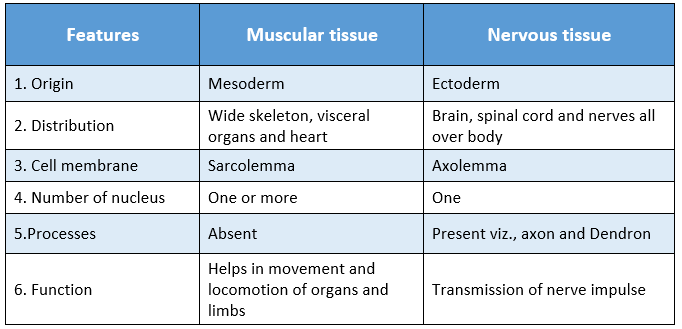
  3. Integrated Pest Management (IPM) has been developed in view of the sustainable development of agriculture.
  4. Organisms that enrich the nutrient quality of the soil are called biofertilizers.
  5. Like nitrogen-fixing bacteria, many species of cyanobacteria can fix atmospheric nitrogen.
  6. There are some fungi that live in close association with the roots of some plants and live symbiotically.
  7. Such symbiotic association between fungi and plant roots is known as mycorrhiza.
  8. Biofertilizers are eco-friendly and cost-effective

Read and Learn More WBBSE Solutions for Class 9 Life Science and Environment


Chapter 4 Biology And Human Welfare Microbes In Human Welfare Short Answer Type Questions

Question 1. What are microbes? Give example.

Answer:

Microbes:-

Microscopic organisms (less than 0.1 mm in diameter) present in air, water, and soil are commonly known as microbes.

Example: Bacteria, protozoa, etc.

WBBSE Solutions For Class 9 Life Science And Environment Chapter 4 Microbes In Human Welfare

WBBSE Life Science And Environment Class 9 Solutions

Question 2. Which organisms are called bacteria?

Answer:

Organisms Are Called Bacteria Are :

Prokaryotic microbes, have a cellular diameter of less than 3 μm with cell walls typically made up of peptidoglycan and cytoplasm carrying a circular nitrogen or solubilizing phosphorus for enhancing the productivity of the soil. VAM, cyanobacteria, etc. DNA and scattered 70S ribosomes are called bacteria.

Examples: Bacillus, Salmonella, etc.

WBBSE Solutions For Class 9 Life Science And Environment Chapter 4 Biology And Human Welfare Microbes In Human Welfare salmonella

WBBSE Class 9 Microbes in Human Welfare Solutions

Question 3. Which organisms are called protozoa?

Answer:

Organisms Are Called Protozoa:-

Eukaryotic, unicellular microorganisms, carrying well-defined nuclei with chromosomes and membrane-bound cell organelles, are known as protozoa.

Examples: Amoeba, Plasmodium, etc.

NEET Biology Class 9 Question And Answers WBBSE Class 9 History Notes WBBSE Solutions for Class 9 Life Science and Environment
WBBSE Class 9 Geography And Environment Notes WBBSE Class 9 History Multiple Choice Questions WBBSE Class 9 Life Science Long Answer Questions
WBBSE Solutions for Class 9 Geography And Environment WBBSE Class 9 History Long Answer Questions WBBSE Class 9 Life Science Multiple Choice Questions
WBBSE Class 9 Geography And Environment Multiple Choice Questions WBBSE Class 9 History Short Answer Questions WBBSE Solutions For Class 9 Maths
WBBSE Solutions for Class 9 History WBBSE Class 9 History Very Short Answer Questions


Question 4. What is meant by bio-control agents?

Answer:

Bio-Control Agents:-

Different viruses, bacteria, protozoa, and insects can reduce the population growth of various insect pests of crops significantly, by causing disease, parasitism, and predation. These biological agents are commonly called bio-control agents.
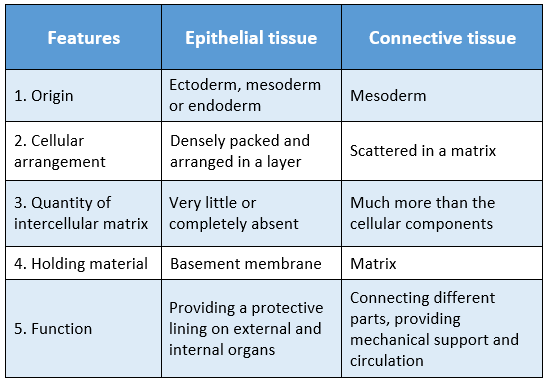
Question 5. What is meant by biological control?

Answer:

Biological Control:-

The technique by which the abundance of pests and harmful organisms is controlled by the application of their specific natural enemies is known as biological control.

WBBSE Life Science And Environment Class 9 Solutions

Question 6. Name two bacterial and two cyanobacterial species, commonly used as biofertilisers.

Answer:

Bacterial And Cyanobacterial Species, Commonly Used As Biofertilisers:-

The two bacterial species commonly used as biofertilizers are Rhizobium and Azotobacter. The two cyanobacterial species commonly used as biofertilizers are Anabaena and Nostoc.

WBBSE Solutions For Class 9 Life Science And Environment Chapter 4 Biology And Human Welfare Microbes In Human Welfare anabaena

Key Questions on Microbes for Class 9

Question 7. What is meant by GMO?

Answer:

GMO:-

The full form of a GMO is a Genetically Modified Organism. By application of modern biotechnology, in recent times, plants and animals are produced with tailor-made features. For this purpose, unwanted genes of the organisms are replaced by desired genes, from the outer source. Such organisms show desired features and are popularly called genetically modified organisms.

WBBSE Class 9 Life Science Solutions

Question 8. What are viruses?

Answer:

Viruses:-

Viruses are ultra-microscopic, nucleoproteinated, acellular intermediate entities between living and non-living.

Examples: HIV, Rotavirus, etc.

Question 9. What is biomagnification?

Answer:

Biomagnification:-

Chemical fertilizers, insecticides, and pesticides, which are used in conventional farming, enter into the food chain through producers. As these toxic chemicals pass along the food chain from lower to higher trophic levels, the concentration increases step by step. This biological event is known as biomagnification. Biomagnification results in a number of diseases amongst the members of the higher trophic levels.

Practice Questions for Chapter 4 Microbes

Question 10. What is bioaccumulation?

Answer:

Bioaccumulation:-

Bioaccumulation refers to the accumulation of toxic substances in an organism. It occurs when an organism absorbs a toxic substance at a rate faster than that at which the substance is lost by catabolism or excretion.

WBBSE Class 9 Life Science Solutions

Question 11. How do GMOs help in the bio-control of insect pests?

Answer:

GMOs Help In The Bio-Control Of Insect Pests As Follows:-

Bacillus thuringiensis can produce a toxin, called Bt-toxin, which is fatal for insect pests. Biotechnologists have singled out the toxin-producing gene from the bacterium and placed it in the plant cells. Such GMO or Genetically Modified Crop plants synthesize the Bt-toxin, which potentially kills insect pests feeding on it.

Question 12. Mention the role of any of two viruses as bio- control agents.es as bio-

Answer:

Role Of Any Of Two Viruses As Bio- Control Agents.Es As Bio:-

1. The nuclear Polyhedrosis Virus can potentially kill the larvae of moths and beetles.
2. The granulosis virus destroys larvae of Spodoptera litura, an insect pest.

Question 13. Mention the role of Caudovirales in controlling water pollution.

Answer:

Role Of Caudovirales In Controlling Water Pollution:-

Caudovirales is a group of phage viruses that kill Salmonella (bacteria) from water bodies. This phage virus can be used to eliminate Salmonella from drinking water to protect us from severe
diarrhea.

WBBSE Class 9 Life Science Solutions

Question 14. Mention the roles of any two protozoa as bio-control agents.

Answer:

Roles Of Any Two Protozoa As Bio-Control Agents:-

1. Nosema locustae is a protozoan microbe, which is used to control some insect pests.
2. Mattesia grandis, another protozoan, effectively control cotton ball weevils.

Question 15. Mention the role of a symbiotic bacterium as a biofertilizer.

Answer:

Role Of A Symbiotic Bacterium As A Biofertilizer:-

Rhizobium leguminosarum is a symbiotic bacterium present in the root nodules of leguminous plants. These bacteria trap atmospheric nitrogen and convert it into nitrates. Ultimately this nitrate is transferred to their plant partners as an essential nutrient.

WBBSE Solutions For Class 9 Life Science And Environment Chapter 4 Biology And Human Welfare Microbes In Human Welfare root nodules

WBBSE Class 9 Life Science Solutions

Question 16. What is Azolla? Mention its importance.

Answer:

Azolla And Its Importance:

Azolla: Azolla is an aquatic floating fern that is commonly known as ‘mosquito fern!

Importance of Azolla: Azolla leaves give shelter to nitrogen-fixing cyanobacteria named Anabaena azollae. Azolla is gown in the water of paddy fields, and Anabaena absorbs nitrogen from the air. When water gets absorbed, Azolla decays and nitrogen gets mixed in the soil to increase its fertility.

Question 17. Why Azolla is an effective fertilizer for paddy fields but not effective in wheat and vegetable fields?

Answer:

Azolla Is An Effective Fertilizer For Paddy Fields But Not Effective In Wheat And Vegetable Fields:-

Azolla grows in water. Paddy plants also grow in wet soil. So, Azolla is grown in the water of paddy fields. On the other hand, wheat and vegetables grow in drier soil. Therefore, the application of Azolla as a biofertilizer is not effective for wheat and vegetable cultivation.

Important Concepts in Microbial Benefits for Class 9

Question 18. How do bacteria increase soil fertility?

Answer:

Bacteria Increase Soil Fertility:-

Bacteria can increase soil fertility in two different ways. One type of bacteria increases nitrogen levels in the soil by trapping atmospheric nitrogen. While another type makes soil-borne phosphorus, soluble and absorbable to the root system.

Question 19. How Azotobacter can be applied in a crop field as a biofertilizer?

Answer:

Azotobacter Can Be Applied In A Crop Field As A Biofertilizer:-

Agricultural laboratories prepare a mixture of live Azotobacter cells and charcoal powder. This mixture can be applied in fields during soil preparation in the form of dust. This powder can also be mixed in water to prepare a bacterial solution. The seeds or roots of saplings may be given a dip in them before sowing and plantation.

WBBSE Class 9 Life Science Solutions

Question 20. How do phosphobacteria act as biofertilizers?

Answer:

Phosphobacteria Act As Biofertilizers:-

Soil contains some phosphate salts, which are not absorbable by roots. Phosphobacteria makes these salts soluble and absorbable in the root system of plants. Thus, phosphobacteria act as a fertilizer.

Example: Bacillus megaterium is a phosphobacterium.

WBBSE Solutions For Class 9 Life Science And Environment Chapter 4 Biology And Human Welfare Microbes In Human Welfare phosphobacteria

Understanding Biofertilizers and Their Uses for Solutions

Question 21. How do different bio-fertilizers work?

Answer:

Different Bio-Fertilizers Work As Follows:-

Nitrogen-fixing bacteria and cyanobacteria propagate in soil and absorb atmospheric nitrogen, which ultimately mixes in the soil to make it fertile. Phosphobacteria convert phosphate salts into soluble and absorbable forms. Mycorrhiza removes harmful heavy metals (Pb, Cu, Hg, Cd, etc.) from soil to reduce soil pollution and promotes plant growth. Certain microorganisms remove weeds.

WBBSE Class 9 Life Science Solutions

Question 22. Mention the role of Bacillus thuringiensis as a bio-control agent.

Answer:

Role Of Bacillus Thuringiensis As A Bio-Control Agent:-

Bacillus thuringiensis produces a toxin, called Bt-toxin, which can destroy larvae of many insect pests. In recent days Bt-toxin, popularly known as ‘suicide’ is commercially prepared and applied in cotton and vegetable crop fields to control caterpillars and grub.

WBBSE Solutions For Class 9 Life Science And Environment Chapter 4 Biology And Human Welfare Microbes In Human Welfare thuricide

Question 23. What is the full form of IPM? Mention its objective.

Answer:

Full form of IPM: Integrated Pest Management.

The objective of IPM:

The concept of Integrated Pest Management has been developed in view of the sustainable development of agriculture. Its main objective is to reduce the use of chemical fertilizers, insecticides, herbicides, and fungicides by using bio-control agents or protect the future generation from the harmful effects of these harsh chemicals and to keep the world as pollution free as possible.

Question 24. Mention the advantages of bio-control or biological control of pests.

Answer:

The advantages of biological control of pests are as follows:

1. Bio-control is more eco-friendly because it does not pollute the environment.
2. In bio-control, only the target pests are killed, and the crop plant and other organisms remain unharmed.
3. This method is less expensive, therefore, reduces the production cost of crops.

WBBSE Class 9 Life Science Solutions

Question 25. Define mycorrhiza.

Answer:

Mycorrhiza:-

Mycorrhiza is a symbiotic relationship between fungi and root systems of vascular plants. Mycorrhiza is formed in plants like pine, orchids, etc. Some of the fungi involved in the formation of the mycorrhiza are Glomus, Boletus, etc.

Question 26. Describe the importance of VAM as a bio-fertilizer.

Answer:

Importance Of VAM As A Bio-Fertilizer:-

VAM or Vesicular Arbuscular Mycorrhiza is the most popular bio-fertilizer that enhances phosphorus, sulfur and copper absorption by root systems of plants with which it is associated. VAM helps the roots of a vascular plant to capture nutrients from the soil.

WBBSE Solutions For Class 9 Life Science And Environment Chapter 4 Biology And Human Welfare Microbes In Human Welfare mycorrhiza (marketed form)

Question 27. Mention the disadvantages of bio-control of pests.

Answer:

The disadvantages of bio-control of pests are:

1. Many organisms used as bio-control agents cannot adapt themselves to the new environment and often die.
2. The effectiveness of a bio-control agent in controlling a pest cannot be assumed before its application.

Question 28. Define chemical fertilizer.

Answer:

Chemical Fertilizer:-

A chemical fertilizer is defined as any inorganic material of wholly or partially synthetic origin that is added to the soil to sustain plant growth.

Example: Urea.

WBBSE Class 9 Life Science Solutions

Question 29. Define bio-fertilizer.

Answer:

Gio-Fertilizer:-

A bio-fertilizer is a substance that contains living microorganisms that when applied to the seeds, plant surfaces, or soil promotes growth by increasing the supply or availability of primary nutrients (NP K) to the host plant.

Question 30. Define vermiculture.

Answer:

Vermiculture:-

Vermiculture is the process in which earthworms are reared in a portion of the soil to prepare organic manure to enhance the productivity of the soil.

Sample Solutions from WBBSE Class 9 Life Science Chapter 4

Question 31. Why Azotobacter is called beneficial bacteria?

Answer:

Azotobacter Is Called Beneficial Bacteria:-

Azotobacter (nitrogen-fixing bacteria) converts atmospheric nitrogen into nitrogenous compounds. They are able to pick up free atmospheric nitrogen and fix it in some organic compounds like amino acids. That is why Azotobacter is called beneficial bacteria.

Question 32. Write the role of cyanobacteria as biofertilizers.

Answer:

Role Of Cyanobacteria As Biofertilizers:-

There are several free-living cyanobacteria such as Anabaena, Nostoc, and Aulosira that can fix nitrogen. Aulosira fertilizing is known to be an active nitrogen fixer in the paddy field. Cylin is prosperous. licheniforme grows in the field of maize and sugarcane, fixing nitrogen in the soil.

In some plants, cyanobacteria exhibit symbiotic association and promote nitrogen fixation. The association between Azolla and Anabaena is an example of such an association.

Question 33. Mention the role of mycorrhiza as a bio-fertilizer.

Answer:

The role of mycorrhiza as a bio-fertilizer is as follows:

1. Helps to increase the absorption of nutrients from the soil by the roots of vascular plants.
2. Helps to enhance water uptake by the roots of vascular plants.
3. Increases the resistance of plants against soil-borne pathogens.
4. Decreases transplant shocks to seedlings.

Question 34. Write about Bt-toxin.

Answer:

Bt-toxin

Bacillus thuringiensis (Bt) is a Gram-positive, spore-forming bacterium that synthesizes parasporal crystalline inclusions containing cry and cyt proteins, which are toxic against a wide range of insect orders, and nematodes.

WBBSE Class 9 Life Science Question And Answer

Question 35. Differentiate between ectomycorrhiza and endomycorrhiza.

Answer:

Differences between ectomycorrhiza and endomycorrhiza:

WBBSE Solutions For Class 9 Life Science And Environment Chapter 4 Biology And Human Welfare Microbes In Human Welfare differences between ectomycorrhiza and endomycorrhiza


Chapter 4 Biology And Human Welfare Microbes In Human Welfare Answer in a single word or sentence

Question 1. Who is known as the ‘Father of microbiology’?
Answer: Louis Pasteur is known as the ‘Father of microbiology.

Question 2. Give an example of a species of bacteria that is used for biological control of insect pest.
Answer: Bacillus thuringiensis

Question 3. Name a symbiotic bacterium, which can trap atmospheric nitrogen for its plant partner.
Answer: Rhizobium leguminosarum

WB Class 9 Life Science Question Answer

Question 4. Which soil-living bacterium is applied in crop fields to increase the nitrogen content of the soil?
Answer: Azotobacter

Question 5. Name a common viral bio-control agent against insect pests.
Answer: Nuclear Polyhedrosis Virus

Question 6. Crystalline protein obtained from which bacterium is popularly known as ‘cry protein’?
Answer: Bacillus thuringiensis

Question 7. Which bacterium is used to kill the larvae of the Anopheles mosquito?
Answer: Bacillus sphaericus

Question 8. Name a bacterial species dwelling in the root nodules of leguminous plants.
Answer: Rhizobium leguminosarum

Question 9. Name an endomycorrhiza, used as a bio-fertilizer.
Answer: VAM is an endomycorrhiza used as a bio-fertilizer.

Question 10. Name two fungal associates of mycorrhiza.
Answer: Amanita and Boletus are two common fungal associates of mycorrhiza.

WBBSE Class Nine Life Science

Question 11. How does mycorrhiza help in reducing soil pollution?
Answer: Mycorrhiza helps in reducing soil pollution removing harmful heavy metals like lead, mercury, etc., from soil.

Question 12. What is the full form of VAM?
Answer: Vesicular Arbuscular Mycorrhiza

Question 13. Which types of mycorrhiza are found in nature?
Answer: Three different types of mycorrhiza are found in nature, these are ectomycorrhiza, endomycorrhiza and ectomycorrhiza.

Question 14. Give examples of two fungi, which form ectomycorrhiza.
Answer: Boletus and Amanita

Question 15. Give examples of two fungi, which form VAM or endomycorrhiza.
Answer: Glomus and Acaulospora

Question 16. Give examples of two fungi, which form ectomycorrhiza.
Answer: Clavaria and Endagon

Question 17. Name two plants in which ectomycorrhiza grows on the roots.
Answer: Oak and pine

Concepts Related to Biocontrol Agents for Class 9 Solutions

Question 18. What is the full form of NPV?
Answer: Nuclear Polyhedrosis Virus

Question 19. What is the full form of CPV?
Answer: Cytoplasmic Polyhedrosis Virus

Question 20. Mention of the importance of NPV and CPV as bio-control agents.
Answer: NPV and CPV are used as Bio-control agents to destroy several caterpillar pests of vegetable plants.

Question 21. What is an antibiotic?
Answer: An antibiotic is a chemical substance that kills bacteria, secreted by microorganisms which can kill the pathogens. Examples-Penicillin and streptomycin.

WBBSE Class Nine Life Science

Question 22 Which type of phage virus is used to kill Salmonella bacteria in water bodies?
Answer: Caudovirales is a group of phage viruses used to control Salmonella build-up in water bodies.

Question 23 Name a protozoan microbe, used to control insect pests.
Answer: Nosema locustae

Chapter 4 Biology And Human Welfare Microbes In Human Welfare Fill In The Blanks

Question 1. Bacillus thuringiensis produces a poison called

Answer: Bt-toxin

Question 2. Rhizobium is present in the nodules of leguminous plants.

Answer: Root

Question 3. Mycorrhiza exhibits the phenomenon of.

Answer: Symbiosis

Question 4. Beauveria bassiana is a fungus, which controls. pest population effectively.
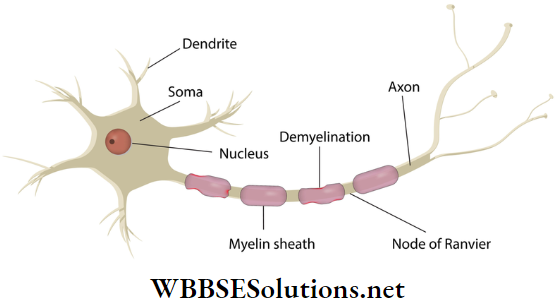
Answer: Insect

Question 5. Mycorrhizal absorbs nutrients from soil very efficiently.

Answer: Hyphae

WBBSE Class Nine Life Science

Question 6. is a protozoan microbe that effectively controls cotton ball weevils.

Answer: Mettasia Grandis

Question 7. Anabaena is present in the cavities of Azolla.

Answer: Leaf

Question 8. Agriculture using only biofertilizers is called

Answer: Organic farming

Question 9. Cyanobacteria serve as important biofertilizers in the fields of.

Answer: Paddy

WB Class 9 Life Science Question Answer

Question 10. One of the free-living anaerobic nitrogen fixers is

Answer: Rhodospirillum

Question 11. Bacillus thuringiensis is widely used as

Answer: Insecticide

Question 12. is a pigment that gives a pinkish hue to rhizobium-induced root nodules.

Answer: Leg haemoglobin

Study Guide for Class 9 Life Science Microbial Questions

Question 13. Antibiotics are the most effective on

Answer: Bacteria

Question 14. A nitrogen-fixing microbe associated with the fern Azolla in rice fields is.

Answer: Anabaena

Question 15. Azolla pinata has been found to be an important bio-fertilizer for paddy crops. The quality is due to the presence of

Answer: N2 fixing bacteria

Question 16. Non-symbiotic bio-fertiliser is.

Answer: Azotobacter

Question 17. IPM (Integrated Pest Management) discourages the excessive use of

Answer: Chemical pesticides

Question 18. used as bio-fertilizer in cotton fields.

Answer: Azotobacter chroococcum

Question 19. The symbiotic association between fungi and the roots of higher plants is referred to as

Answer: Mycorrhiza

Question 20. Baculoviruses are excellent pathogens for specific narrow-spectrum insecticidal applications.

Answer: Species

Chapter 4 Biology And Human Welfare Microbes In Human Welfare State True Or False

Question 1. Nosema locustae is a bacterium, which is used to control harmful grasshoppers.

Answer: False

Question 2. Examples of aerobic nitrogen-fixing bacteria are Azomonas and Azospirillum.

Answer: True

Question 3. Scientists have introduced genetic materials of Bacillus thuringiensis bacterium in corn and cotton plants.

Answer: True

Question 4. Caudovirales is a fungus, which can control pests.

Answer: False

WBBSE Class Nine Life Science

Question 5. Except for the paddy field, the cyanobacterial colony is formed in Cycas.

Answer: True

Question 6. Viruses are also used as bio-control agents to kill insect pests.

Answer: True

Chapter 4 Biology And Human Welfare Microbes In Human Welfare Match The Columns

WBBSE Solutions For Class 9 Life Science And Environment Chapter 4 Biology And Human Welfare Microbes In Human Welfare match the columns 1

Answer: 1-E; 2-A; 3-B; 4-C

WBBSE Solutions For Class 9 Life Science And Environment Chapter 4 Biology And Human Welfare Microbes In Human Welfare match the columns 2

Answer: 1-C; 2-D; 3-F; 4-B; 5-A; 6-G

WBBSE Solutions For Class 9 Life Science And Environment Chapter 4 Biology And Human Welfare Microbes In Human Welfare match the columns 3

Answer: 1-C; 2-D; 3-A; 4 B

WBBSE Solutions For Class 9 Life Science And Environment Chapter 4 Biology And Human Welfare Microbes In Human Welfare match the columns 4

Answer: 1-E; 2-A; 3-B; 4-C

WBBSE Solutions For Class 9 Life Science And Environment Chapter 4 Biology And Human Welfare Microbes In Human Welfare match the columns 5

Answer: 1-D; 2-C; 3-B; 4-A; 5-E; 6-G

WBBSE Solutions For Class 9 Life Science And Environment Chapter 4 Biology And Human Welfare Microbes In Human Welfare match the columns 6

Answer: 1-C; 2-B; 3-D; 4-A

Chapter 4 Biology And Human Welfare Microbes In Human Welfare Find The Odd One Out

Question 1. Tetrahymena, Nosema, Trogoderma, Bacillus thuringiensis

Answer: Bacillus thuringiensis

Question 2. Nuclear Polyhedrosis Virus, granulosis virus, Baculovirus; HIV

Answer: HIV

WBBSE Class Nine Life Science

Question 3. Bt-toxin, Thuricide, Cry protein, NPV

Answer: NPV

Question 4. Nostoc, Anabaena, Aulosira, Azotobacter

Answer: Azotobacter

Question 5. Rhizobium, Azotobacter, Clostridium, Azo- spirillum

Answer: Rhizobium

Chapter 4 Biology And Human Welfare Microbes In Human Welfare Fill in the blanks by looking at the first pair

1. Mycorrhiza: Fungi:: Nodules: Bacteria

2. Rhizobium: Bacteria:: Nostoc: Cyanobacteria

3. Anabaena: Azolla:: Rhizobium: Leguminous plant

4. Chemical pesticide: Environment pollutant:: Organic pesticide: Eco-friendly

5. Bacillus thuringiensis: Bio-insecticide:: VAM: Bio-fertiliser

Chapter 4 Biology And Human Welfare Microbes In Human Welfare Among The Four Concepts Given, Three Of Them Belong To One. Find That

Question 1. CPV, NPV, Bacillus thuringiensis, Biological control

Answer: Biological control

Question 2. Insects, Weeds, Biological control, Mite

Answer: Biological control

Question 3. Thuricide, Bacillus thuringiensis, Pest killing, Bt toxin

Answer: Bacillus thuringiensis

Question 4. Bacillus thuringiensis, Biopesticide, Nosema, Baculovirus

Answer: Biopesticide

Question 5. Biofertiliser, Azospirillum, Nostoc, Mycorrhiza

Answer: Biofertiliser

Question 6. N2 fixing microorganisms, Rhizobium, Azotobacter, Nostoc

Answer: N2 fixing microorganisms


WBBSE Solutions For Class 9 Life Science And Environment Chapter 4 Immunity And Human Diseases

Chapter 4 Biology And Human Welfare Summary

  1. The ability of the host to fight and protect against disease-causing organisms conferred by the immune system is called immunity.
  2. Immunity is of two types:
    1. Innate Immunity
    2. Acquired Immunity.
  3. Innate immunity is a non-specific type of immunity in an individual that is present at the time of birth. It works by preventing the entry of pathogens through various barriers.
  4. There are various types of barriers such as physical barriers (skin), and chemical barriers (lysozyme), by which the body prevents the entry of foreign agents into our body.
  5. Acquired immunity is pathogen-specific and is characterized by a memory of the activities of a pathogen in the body of a living organism.
  6. When the pathogen is encountered for the first time a primary response of low intensity is produced.
  7. Subsequent encounters with the same pathogen produce a high-intensity response of high intensity with the help of memory cells.
  8. This is called secondary or anamnestic response.
  9. Primary and secondary responses are carried out with the help of 2 special types of lymphocytes-B lymphocytes and T lymphocytes.
  10. B lymphocytes produce special proteins called antibodies whereas the T lymphocytes help B lymphocytes to produce antibodies.
  11. Each antibody has 2 light chains and 2 heavy chains.
  12. It is represented as H2L2.
  13. Antibodies in our bodies are of different types such as IgG, IgA, IgD, IgE, and IgM.
  14. The antigen is a substance usually protein in nature (sometimes polysaccharide or lipid) that generates a specific immune response and induces the formation of specific antibodies or specially sensitized T cells or both.
  15. There are different types of antigens on the basis of antigen:
    1. Exogenous antigens are the foreign particles that enter the body system from outside, start circulating in body fluids, and are phagocytosed by antigen-processing cells.
    2. Endogenous antigens are the antigenic products, subfragments or any compounds that are produced by the body itself.
  16. An immune response is a reaction that occurs within an organism for the purpose of defending against foreign invaders.
  17. The humoral immune response is a kind of immune response that is involved in the production of antibodies.
  18. These antibodies are present in the blood.
  19. Cell-mediated immunity is an immune response that does not involve antibodies but rather involves the activation of phagocytes, antigen-specific cytotoxic T-lymphocytes, and the release of various cytokines in response to an antigen.
  20. The body is able to differentiate between ‘self and ‘non-self’ and the cell-mediated immune response is responsible for the graft rejection.
  21. When a host is exposed to antigens, which may be in the form of living or dead microbes or other proteins, antibodies are produced in the host body.
  22. This type of immunity is called active immunity.
  23. Examples: vaccines like BCG, and MMR.
  24. When ready-made antibodies are directly given to protect the body against foreign agents, it is called passive immunity. Examples-Anti-tetanus injection, and injections for snake bites.
  25. Vaccination is the introduction of antigenic proteins of pathogens or part or whole of inactivated or weakened pathogens into the host body so as to trigger the host immune system to produce antibodies against the antigens.
  26. Vaccines are products that produce immunity to a specific disease.
  27. There are different types of vaccines i.e:
    1. live attenuated (LAV): BCG, OPV,
    2. Inactivated (killed antigen): IPV,
    3. Subunit (purified antigen): Hepatitis B
    4. Toxoid (inactivated toxins): Tetanus Toxoid.
  28. The disease is the stage when the body or any part of it shows some disturbance in normal functions.
  29. Pathogen refers to any disease-causing organism.
  30. Infection refers to the pathological state resuming from the invasion of the body by pathogenic microorganisms, Incubation period refers to the period bothers exposure to an infection and the appearance of the first symptoms.
  31. Communicable diseases are diseases that are spread by different organisms such as bacteria, viruses, and fungi.
  32. These are transmitted from one person to another.
  33. Examples: Flu, malaria, syphilis.
  34. Non-communicable diseases are not transmitted from one person to another.
  35. These are different types of allergies, nutritional deficiencies, etc.
  36. Diarrhea is caused by protozoa, bacteria or viruses. It is contaminated by food and water.
  37. Malaria is caused by Plasmodium (Protozoa) due to the bite of female Anopheles.
  38. Diphtheria is caused by Corynebacterium diphtheria.
  39. Pneumonia is caused by Streptococcus pneumonia (bacterial).
  40. It is transmitted by cough, sneeze droplets.
  41. Tuberculosis is caused by Mycobacterium tuberculosis transmitted through cough/sneeze droplets.
  42. Tetanus is caused by Clostridium tetani (bacteria).
  43. It mainly affects the muscle and the nervous system.
  44. Dengue is caused by Flavivirus.
  45. The Aedes aegypti mosquito is the vector of this disease.
  46. Hepatitis A is water borne disease.
  47. It is caused by the Hepatitis A virus.
  48. Hepatitis B is transmitted by blood transfusion, sexual contact, mother to baby by pregnancy or nursing.
  49. HIV causes AIDS and interferes with the body’s ability to fight infections.
  50. The virus can be transmitted through contact with infected blood, semen or vaginal fluid.
  51. Washing is a method of cleaning usually with water and often some kind of soap or detergent.
  52. It may be practiced for personal hygiene, religious rituals or therapeutic purposes.Read and Learn More WBBSE Solutions for Class 9 Life Science and Environment


Chapter 4 Biology And Human Welfare Immunity And Human Diseases Short Answer Type Questions

Question 1 What is immunology?

Answer:

Immunology:-

The branch of science, that deals with the study of antigens, antibodies, and the overall immune system of the body, is known as immunology.

WBBSE Solutions For Class 9 Life Science And Environment Chapter 4 Immunity And Human Diseases

WBBSE Class 9 Life Science Solutions

Question 2 What is immunity?

Answer:

Immunity:-

Immunity is defined as the defense mechanism of the body against a specific infection or toxin or any harmful foreign material, entering the body by the action of specific antibodies or specialized cells or agents.

Question 3 What is meant by innate immunity?

Answer:

Innate Immunity:-

Innate immunity refers to non-specific defense mechanisms that come into play immediately or within hours of an antigen’s appearance in the body.

WBBSE Class 9 Immunity Solutions

Question 4 What is meant by acquired immunity?

Answer:

Acquired Immunity:-

The immunity, which develops within the body of an organism by any infection, vaccination, or by the introduction of antibodies artificially, is called acquired immunity.

Question 5 Schematically represent different types of acquired immunity

Answer:

Different Types Of Acquired Immunity Are Given Below:-

A schematic representation of different types of acquired immunity is given below

WBBSE Solutions For Class 9 Life Science And Environment Chapter 4 Biology And Human Welfare acquires immunity

Key Questions on Immunity for Class 9

Question 6 What is meant by active acquired immunity?

Answer:

Active Acquired Immunity:-

The immunity, which is developed in the body of an organism by the introduction of an antigen, naturally or artificially, is called active acquired immunity.

NEET Biology Class 9 Question And Answers WBBSE Class 9 History Notes WBBSE Solutions for Class 9 Life Science and Environment
WBBSE Class 9 Geography And Environment Notes WBBSE Class 9 History Multiple Choice Questions WBBSE Class 9 Life Science Long Answer Questions
WBBSE Solutions for Class 9 Geography And Environment WBBSE Class 9 History Long Answer Questions WBBSE Class 9 Life Science Multiple Choice Questions
WBBSE Class 9 Geography And Environment Multiple Choice Questions WBBSE Class 9 History Short Answer Questions WBBSE Solutions For Class 9 Maths
WBBSE Solutions for Class 9 History WBBSE Class 9 History Very Short Answer Questions


Question 7 What is artificial active immunity?

Answer:

Artificial Active Immunity:-

The active immunity, which develops in an organism after vaccination is called artificial active immunity.

Examples: Vaccines like DPT, OPV, BCG, etc. develop artificial active immunity.

Question 8 What is passive acquired immunity?

Answer:

Passive Acquired Immunity:-

The immunity which is developed in the body of an organism by the introduction of an antibody, naturally or artificially, is called passive acquired immunity.

Question 9 What is natural active immunity?

Answer:

Natural Active Immunity:-

Active immunity, which is developed in an organism after natural infection by any pathogen (virus, bacteria, etc.) is known as natural active immunity.

Example: After infection with chicken pox, a person develops natural active immunity against this disease and is not attacked by the same disease in the future.

WBBSE Solutions For Class 9 Life Science And Environment Chapter 4 Biology And Human Welfare acquires immunity

Practice Questions for Chapter 4 Immunity

Question 10 What is natural passive immunity?

Answer:

Natural Passive Immunity:-

Passive immunity, which is developed by the inflow of antibodies from the mother to the fetus through placental circulation is known as natural passive immunity.

Example: Immunoglobulin A, acquired by a baby through the colostrum of breast milk of the mother, develops natural passive immunity.

Question 11 What is artificial passive immunity?

Answer:

Artificial Passive Immunity:-

Passive immunity, which develops in an animal through the introduction of antibodies from outside by injection, is known as artificial passive immunity.

Example: Antitoxin serum, produced from horse blood, is injected to save the life of a person suffering from a snake bite.

WBBSE Class 9 Life Science Solutions

Question 12. Distinguish between innate and acquired immunity.

Answer:

Differences between innate and acquired immunity:

WBBSE Solutions For Class 9 Life Science And Environment Chapter 4 Biology And Human Welfare differences between innate and acquired immunity

Important Concepts in Human Immunity for Class 9

Question 13. Distinguish between active acquired immunity and passive acquired immunity.

Answer:

Differences between active acquired immunity and passively acquired immunity:

WBBSE Solutions For Class 9 Life Science And Environment Chapter 4 Biology And Human Welfare active and passive acquired immunity

Question 14 What is an antigen?

Answer:

Antigen:-

Antigens are foreign materials that stimulate the immune system of the body by inducing the synthesis of specific antibodies and sensitising immunologically significant white blood cells.

Question 15 Mention the characteristic features of antigens.

Answer:

Characteristic features of antigens are as follows:

[1] Antigens are commonly proteins or polysaccharides in nature,
[2] Antigens are generally of high molecular weight. The minimum molecular weight of an antigen is 10000 Da.
[3] An antigen induces the synthesis of a specific antibody.

Question 16 What are the common sources of antigens?

Answer:

The common sources of antigens are as follows:

1. Surface proteins of bacteria and viral capsids are the common sources of antigens.
2. Different toxins, snake venom, sting poisons of bees, wasps, and scorpions act as antigens.
3. Secretory or excretory materials of bacteria or parasites contain antigens.
4. Some chemicals, drugs, pollen grains even food materials contain allergic antigens (allergens).

WBBSE Class 9 Life Science Question And Answer

Question 17 What are exogenous antigens?

Answer:

Exogenous Antigens:-

The antigens, which enter the body from outside, are called exogenous antigens. Exogenous antigens include different disease-causing germs, certain allergic food materials, chemicals, and pollen grains.
Passively acquired immunity Enters into the body from the mother’s body or from another animal source and Acts instantaneously

Question 18 What is an endogenous antigen?

Answer:

Endogenous Antigen:-

The antigenic materials, which are synthesized inside the body and are capable of inducing immune response are called endogenous antigens. Certain proteins present on the surface of RBC, cardiolipin of the mammalian heart, and prostate-specific antigens of the prostate gland are examples of endogenous antigens.

Question 19 What is an antibody?

Answer:

Antibody:-

Antibodies are immunoglobulin molecules, which are produced or remain in blood to counteract and inactivate specific antigens and thereby protect the body against their harmful effects.

WBBSE Class 9 Life Science Question And Answer

Question 20 What are ‘paratope’ and ‘epitope’?

Answer:

‘Paratope’ And ‘Epitope’:-

The part of the antibody that adheres to the antigen is known as ‘the paratope’ and the part of the antigen, attached to the paratope is known as ‘the epitope.

WBBSE Solutions For Class 9 Life Science And Environment Chapter 4 Biology And Human Welfare epitope and paratope

Understanding Types of Immunity for Solutions

Question 21 How do antibodies work?

Answer:

Antibodies work through the following methods:

1. Antibodies or immunoglobulins bind to specific antigens to agglutinate and precipitate them.
2. Some antibodies bind to antigens to let those to be phagocytized by macrophage cells. antibodies
3. Some antibodies immobilize and dissolve antigens.

WBBSE Solutions For Class 9 Life Science And Environment Chapter 4 Biology And Human Welfare antigen antibody interaction

Question 22 How many types of antibodies are found in the human body?

Answer:

Types Of Antibodies Are Found In The Human Body:-

The human body contains five different types of antibodies or immunoglobulins. These are IgA, IgD, IgE, IgG, and IgM.

WBBSE Solutions For Class 9 Life Science And Environment Chapter 4 Biology And Human Welfare types of immunoglobulins

WBBSE Class 9 Life Science Question And Answer

Question 23. What is the primary immune response?

Answer:

Primary Immune Response:-

The reactions in the body in response to an antigen for the first time is called primary immune response. This response takes a little more time (10-17 days) for recognition of the antigen.

Question 24 What is the secondary immune response?

Answer:

Secondary Immune Response:-

The reactions in response to an antigen, already known to the body’s immune system, is known as secondary immune response. This response is very fast (2-7 days) because memory cells, already produced in the body, recognize the antigen and respond instantaneously.

Question 25 What do you mean by the first line of defense and second line of defense?

Answer:

First Line Of Defense And Second Line Of Defense:-

The first line of defense is the various types of physical and chemical barriers that prevent the entry of foreign agents into the body.

The second line of defense is non-specific resistance, which is also considered a function of innate immunity. The phagocytes, interferons, inflammatory reactions, natural killer cells, and the complement system are the components of the second line of defense.

Question 26 What is meant by primary lymphoid organ?

Answer:

Primary Lymphoid Organ:-

The organs, within which T and B lymphocytes attain maturity, are called primary lymphoid organs. Example-Thymus gland, the site of maturity of T cells and red bone marrow, the tissue where B cells mature, are the two primary lymphoid organs.

Question 27 What is a secondary lymphoid organ?

Answer:

Secondary Lymphoid Organ:-

Matured T and B lymphocytes are transferred to some other organs for further proliferation. These organs are known as secondary lymphoid organs. Example-All lymph glands, especially tonsils, and spleen are examples of secondary lymphoid organs.

WBBSE Class 9 Life Science Question And Answer

Question 28 What is meant by cell-mediated immunity?

Answer:

Cell-Mediated Immunity:-

The immune response, which involves the activation of the cytotoxic T lymphocytes and different phagocytic cells in destroying the pathogens or pathogen-infected cells within the body, is called cell-mediated immunity.

Question 29 What is a memory cell? State its role in immunology.

Answer:

Memory cell:

Memory cells are long-lived immune cells capable of recognizing foreign particles they were previously exposed to. These immune cells do not respond immediately when it first encounters an antigen but facilitates a more rapid secondary response when the antigen is encountered on a subsequent occasion. >> Function: Examples of memory cells are memory B cells and memory T cells. Unlike memory B cells, memory T cells do not produce antibodies. Re-exposure to the pathogens cause them to clone themselves immediately and as such respond to the infection more strongly.

Concepts Related to Antibodies and Immune Response for Class 9 Solutions

Question 30 What do you mean by B cell and T cell?

Answer:

B Cell And T Cell:-

The major cells of the immune system are the WBCs called lymphocytes. The lymphocytes are of two types T lymphocytes or T cells and B lymphocytes or B cells. T lymphocytes form a cell-mediated immune system and B lymphocytes form a humoral or antibody-mediated immune system.

Question 31 What is a plasma cell? State its role in immunology.

Answer:

Plasma Cell And Role Of Immunology:-

Plasma cell: Plasma cells are a special type of B lymphocyte capable of secreting immunoglobulins or antibodies. These secrete huge numbers of antibody molecules into the blood, tissue fluid, and lymph. They live for only a few days.
Role: When antigens invade tissue fluid, plasma cells are stimulated to produce antigen-specific antibodies.

Question 32 What is interferon (IFN)?

Answer:

Interferon:-

Interferon is a group of proteins that is formed and released by the host cells in response to pathogens, especially virus. These are highly effective in combating hepatitis, influenza, etc.

WBBSE Class 9 Life Science Question And Answer

Question 33 What is MALT?

Answer:

MALT:-

The full form of MALT is Mucosa Associated Lymphoid Tissue. These types of lymphoid tissues are located within the lining of the respiratory tract, digestive tract, and urogenital tract and it constitutes 50% of the lymphoid tissues in the human body.

Question 34 What is the main objective of vaccination?

Answer:

Objective Of Vaccination:-

Generating memory cells in the blood to recognize a specific antigen for the quick triggering of immunological response in case of infection by the same pathogen in the future is the main objective of vaccination.

Question 35 What is the importance of vaccination?

Answer:

The importance of vaccination is as follows:

Biology and Human Welfare:

1. By means of vaccination specific antibody develops within our body. Memory cells develop in the body, which remain stored in the lymphatic system to counter any chance of infection by the same pathogen in the future.
2. Certain vaccines develop immunity for a lifetime and some others immunize the body for a certain period.

WBBSE Solutions For Class 9 Life Science And Environment Chapter 4 Biology And Human Welfare vaccination

Question 36 What is meant by an attenuated vaccine?

Answer:

Attenuated Vaccine:-

The vaccines, which are prepared by living but inactivated pathogens (bacteria or viruses) are called attenuated vaccines. Examples-Vaccines of tuberculosis, mumps, influenza, and Oral polio vaccine (Sabin vaccine) belong to the attenuated vaccine.

Question 37 What is meant by a killed vaccine?

Answer:

Killed Vaccine:-

The vaccines, which are prepared with dead or inactivated bacteria or viruses, are known as killed vaccines. Examples-Vaccines of typhoid, cholera, whooping cough (pertussis), rabies, hepatitis B and Salk vaccine belong to the killed vaccine category.

WBBSE Class Nine Life Science

Question 38 What is a toxoid?

Answer:

Toxoid:-

Toxins collected from pathogenic micro-organisms are chemically detoxified keeping their antigenic property intact. These preparations are used as vaccines, which are called toxoids.
Examples: Tetanus and diphtheria vaccines are of this type.

Question 39 What is Tetanus toxoid?

Answer:

Tetanus Toxoid:-

It is an inactivated form of tetanus toxin obtained from Clostridium tetani, used to produce an active immunity to the toxin.

Question 40 What is meant by combination vaccines?

Answer:

Combination Vaccines:-

Certain vaccines are prepared with different antigens to immunize individuals against more than one disease by a single inoculation. These vaccines are called combination vaccines. Examples-DPT (Diphtheria, Pertussis, Tetanus) vaccine, and MMR (Mumps, Measles, Rubella) vaccine are of this type.

WBBSE Solutions For Class 9 Life Science And Environment Chapter 4 Biology And Human Welfare DTP vaccine

Study Guide for Class 9 Life Science Immunity Questions

Question 41 What is the booster dose of the vaccine?

Answer:

Booster Dose Of The Vaccine:-

To maintain a steady stock of memory cells in the immune system certain vaccines are applied at regular intervals. These slots of vaccines are known as booster doses. Example-Booster dose of tetanus toxoid must be given after every ten years.

WBBSE Class Nine Life Science

Question 42 Why do you need the DPT vaccine? When should the DPT vaccine be given?

Answer:

DPT vaccine is a combination vaccine used for immunization against Diphtheria, Pertussis, and Tetanus.
The standard schedule is three primary doses at 6, 10, and 14 weeks and two boosters at 15-18 months and 5 years.

Question 43 Why do you need the MMR vaccine? Mention its type.

Answer:

MMR vaccine:

The MMR vaccine is a vaccine against Measles, Mumps, and Rubella (German measles). The first dose is generally given to children around 9-15 months of age, with a second dose at 15 months to 6 years of age, with at least 4 weeks between the doses.

Type: It is a type of live attenuated, combined vaccine.

Question 44 Mention the causative agents of diarrhea. How is the disease transmitted?

Answer:

Causative agents of diarrhea: Diarrhoea is caused by ETEC-Enterotoxigenic E. coli, Salmonella sp. (bacteria), and Rotavirus (virus).

Mode of transmission of diarrhea: This disease is transmitted through contaminated food and water.

Question 45. Write the common symptoms of diarrhea.

Answer:

Common symptoms of diarrhea are:

1. frequent watery stool
2. abdominal pain and cramps
3. disability to hold a bowel movement
4. nausea and fatigue
5. thirst and dehydration.

Question 46 Mention the names of different malaria-causing pathogens. How is malaria transmitted?

Answer:

Causative agents of malaria:

Malaria is caused by different species of Plasmodium, a parasitic protozoan. They are Plasmodium vivax, P. falciparum, P. malariae and P. ovale.

Transmission of malarial parasite:

Female Anopheles mosquito carries Plasmodium from a diseased individual to a healthy person.

WBBSE Solutions For Class 9 Life Science And Environment Chapter 4 Biology And Human Welfare female anopheles mosquito

Question 47 Write down the different symptoms of malaria.

Answer:

The symptoms of malaria are:

1. chilled feeling with severe shivering
2. severe headache
3. very high fever (104°F or more)
4. remission of fever with profuse sweating
5. fatigue
6. nausea.

WBBSE Class Nine Life Science

Question 48 Name the causative agent of diphtheria. How is the disease transmitted?

Answer:

The causative agent of diphtheria:

The causative agent of diphtheria is a bacterium named Corynebacterium

Mode of transmission of diphtheria:

Diphtheria is transmitted mainly through respiratory droplets. This disease is also spread by touching the body of an infected person and from contaminated materials like telephones, utensils, towels, handkerchiefs, etc.

Question 49 Mention the symptoms of diphtheria.

Answer:

The symptoms of diphtheria are:

1. Thick, gray coating over the pharyngeal wall and tonsils
2. Sore throat and hoarseness
3. Swelling of lymph glands near the neck
4. Distressed breathing and swallowing
5. Nasal discharge
6. High fever.

Question 50 Name the causative agent of pneumonia. How is the disease transmitted?

Answer:

Causative agent of pneumonia: Causative agent of pneumonia is a bacterium named Streptococcus pneumoniae.

Mode of transmission of pneumonia: The pathogens of pneumonia are transmitted through respiratory droplets from the nose and mouth of a sick person.

Question 51 Mention the symptoms of pneumonia.

Answer:

The symptoms of pneumonia are:

1. Severe cough
2. Distressed breathing
3. Chest pain, especially with cough
4. Fever
5. Breathless-ness
6. Fatigue.

Question 52 Name the causative agent of tetanus. How is the disease transmitted?

Answer:

Causative agent of tetanus: Causative agent of tetanus is Clostridium tetani.

Mode of transmission of tetanus:

The pathogen of tetanus is transmitted directly from soil through open wounds or injuries. Injuries from contaminated nails, knives, razors, surgical instruments, etc. also transmit this disease.

WBBSE Solutions For Class 9 Life Science And Environment Chapter 4 Biology And Human Welfare clostrisium tetani

WBBSE Class Nine Life Science

Question 53 Mention the symptoms of tetanus.

Answer:

The symptoms of tetanus are:

1. Fever followed by jaw cramping
2. Spasm in stomach
3. Stiffness of muscles with severe pain
4. Trouble in swallowing
5. High blood pressure and fast heart rate.

Sample Solutions from WBBSE Class 9 Life Science Chapter 4

Question 54 How is tuberculosis transmitted?

Answer:

Tuberculosis Transmitted:-

Tuberculosis is transmitted through respiratory droplets from the nose and mouth of a diseased person. Exhaled air of the patient carries pathogens of this disease. Inhaling this air from a distance of a few meters may infect another person with the same disease.

Question 55 Name the causative agent of tuberculosis. Mention the symptoms of tuberculosis.

Answer:

The causative agent of tuberculosis: Causative agent named of tuberculosis is the bacterium Mycobacterium tuberculosis.

Symptoms of tuberculosis:

1. Night fever with sweating
2. Dry cough with blood-tinted sputum
3. Significant weight loss
4. Fatigue.

WBBSE Solutions For Class 9 Life Science And Environment Chapter 4 Biology And Human Welfare mycobacterium tubewculosis

Question 56 Name the causative agent of dengue. How is dengue transmitted?

Answer:

Causative agent of dengue: Causative agent of dengue is Flavivirus.

Mode of transmission of dengue:

Female Aedes aegepti mosquito (which is a blood-sucking ectoparasite) carries the dengue virus from a diseased person to a healthy individual.

WB Class 9 Life Science Question Answer

Question 57 Mention the symptoms of dengue.

Answer:

The symptoms of dengue are:

1. High fever with severe headache
2. Pain behind the eyes
3. Severe body aches and joint pain
4. Rash over the skin
4. Moderate bleeding from gums.

Question 58 Name the causative agent of hepatitis A. How is hepatitis A transmitted?

Answer:

Causative agent of hepatitis A: Causative agent of hepatitis A is HAV or Hepatitis A Virus.

Mode of transmission of hepatitis A:

This virus comes out through the feces of a person, infected with hepatitis A. The pathogen is then transmitted through contaminated food (raw vegetables) or drinks (water) in a healthy person. Therefore, in other words it can be stated that this infection is transmitted through fecal-oral route.

Question 59 Mention the symptoms of hepatitis A.

Answer:

The symptoms of hepatitis A are:

1. Nausea and vomiting
2. Liver pain
3. Loss of appetite
4. Darkish urine
5. Yellowing of skin and eyes.

Question 60 Name the causative agent of hepatitis B. How is hepatitis B transmitted?

Answer:

The causative agent of hepatitis B: Causative agent with soap and disinfecting lotion. of hepatitis B is HBV or Hepatitis B Virus.

Mode of transmission of hepatitis B:

This virus is carried by blood or other body fluids. It is transmitted through transfusion of contaminated blood and sharing the same injection needle with a patient. This virus may pass through the placenta, therefore, infect a fetus of a diseased mother. It may be transmitted by sexual contact also.

Question 61 Mention the symptoms of hepatitis B.

Answer:

The symptoms of hepatitis B are:

1. Nausea and vomiting
2. Liver pain
3. Loss of appetite
4. Darkish urine
5. Yellowing of skin and eyes.
6. Severe fatigue.

Question 62 Name the causative agent of AIDS. How is AIDS transmitted?

Answer:

The causative agent of AIDS: The causative agent of AIDS is HIV or Human Immunodeficiency Virus.

Mode of transmission of AIDS:

The virus of AIDS is transmitted by transfusion of contaminated blood, sharing the same injection needle with a patient, through unsafe sexual contact, from infected mother to fetus through placental circulation.

WB Class 9 Life Science Question Answer

Question 63 Mention the symptoms of AIDS.

Answer:

The symptoms of AIDS are:

1. Recurrent fever
2. Common cold-like symptoms
3. Frequent diarrhea
4. The quick loss of weight
5. Swelling of glands in the groin
6. Fatigue
7. Joint pain
8. Persistent skin rashes.

Question 64 What is meant by washing?

Answer:

Washing:-

The process of disinfecting hands and other body parts, garments, utensils, and raw food matters, like fish, meat, vegetables and fruits with clean water, soap, detergents, or germicidal locations is known as washing.

Question 65 Mention the role of different washing materials.

Answer:

The role of different washing materials is as follows:

1. Water is used to wash all items.
2. Detergents are used to wash garments, bedding, and utensils.
3. Floor cleaners are used to clean floors of rooms and toilets.
4. Soap, shampoo, and shower gels are used in bathing.
5. Hand is washed with soap and disinfecting lotion.

WBBSE Solutions For Class 9 Life Science And Environment Chapter 4 Biology And Human Welfare washing materials

WB Class 9 Life Science Question Answer

Question 66 Briefly describe the importance of brushing your teeth.

Answer:

Importance Of Brushing Your Teeth:-

The unhygienic oral condition leads to different problems like tooth decay, gum disease, bad breath, pyorrhoea, loosening and falling of teeth. Proper brushing with toothpaste helps in reducing plaque and germ buildup in the mouth and reduces the chances of oral problems. For this purpose brushing of teeth is to be done essentially before going to bed.

Question 67 Why is bathing important for good health?

Answer:

Bathing Important For Good Health:-

The population of different bacteria, fungi, and ectoparasites grows fast on unclean body surfaces. Sweat and sebum provide the germs a good medium for nutrition and growth.
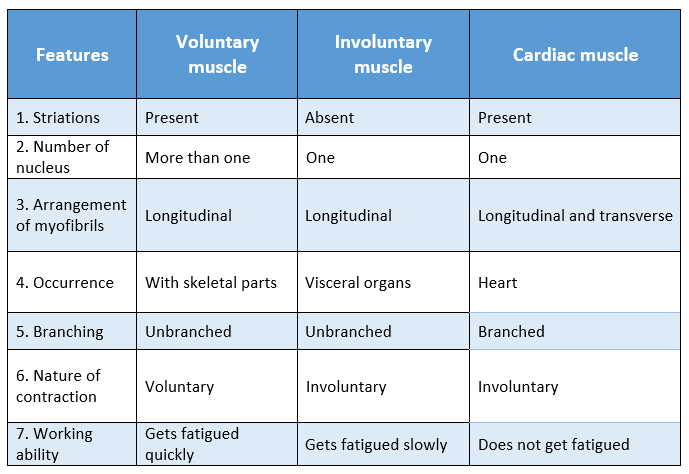
An unclean body surface leads to several skin infections. By regular bathing, these germs are washed off. Therefore, bathing is important to maintain good health.

Question 68 What should be the proper bathing technique?

Answer:

Proper Bathing Technique:-

To clean the body surface showering with clean water is necessary. Then soap or bathing gel is to be applied and then rubbed with a scrubber to create rich foam. More attention is to be given to the hidden parts like armpits, and groins, as these regions provide good places for germ build-up. Finally, the foam is to be cleared with adequate water to get clean and hygienic skin.

Question 69. Why are washing and sun drying of garments, bedding, bathing towels, and handkerchiefs essential for maintaining hygiene?

Answer:

Pathogens of scabies, ringworm, eczema, and a number of allergens spread through contaminated garments, beddings, bathing towels and handkerchiefs. Washing can reduce the population of pathogens from these materials. Therefore, washing and sun drying of these items is essential for maintaining good hygiene.
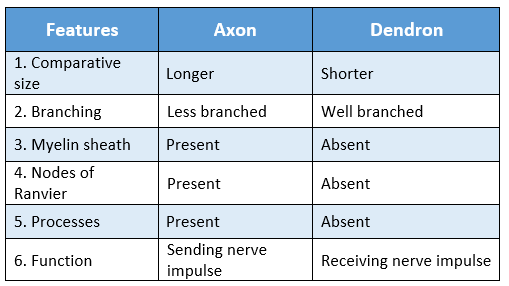
Question 70 Why is washing of hand essential before ing of hands essential before taking food?

Answer:

We commonly take food by hand. A contaminated hand may carry the pathogens of various diseases like diarrhea, dysentery, hepatitis A, cholera, and gastroenteritis. By washing hands before taking food, the occurrence of these diseases can be reduced to a great extent.

Question 71 Why an open wound should be washed with germicidal lotion?

Answer:

Skin acts as a great barrier against the entry of germs into our bodies. However, open wounds become a good entry point for various germs. Therefore, any open wound is to be washed with germicidal lotions to kill the germs in the wound and at its periphery. After washing, the wound must be covered with a sterilized bandage, gauge, or cotton to resist the entry of germs through it.

Question 72 What do you mean by disinfectants?

Answer:

Disinfectants:-

Disinfectants are chemical agents that kill or inhibit the growth of microorganisms on inanimate objects. It is more toxic to humans. e.g. phenyl, methylated spirit.


Chapter 4 Biology And Human Welfare Immunity And Human Answer In A Single Word Or Sentence

Question 1 What is the name of the reaction shown by the body against any pathogen?
Answer: The reaction shown by the body against any pathogen is commonly called the immune response.

Question 2 What are pathogens?
Answer: A pathogen is a disease-causing microorganism.

Question 3 Which type of immunity develops by birth?
Answer: Innate immunity develops by birth.

Question 4. Which type of immunity is provided by neutrophils?
Answer: Neutrophils provide innate immunity to the body.

Question 5. Which characteristic ability of antigen activates the immune system of the body?
Answer: The immunogenicity of antigens activates the immune system of the body.

Question 6. Which characteristic ability of an antigen makes it compatible to the antibody?
Answer: The antigenicity of an antigen makes it compatible to the antibody.

Question 7. Which is the first line of defense in our immune system?
Answer: Skin and mucous membranes provide the first line of defence in our body’s immune system.

Question 8. Which is the second line of defence in our immune system?
Answer: Phagocytic white blood cells like neutrophils and monocytes provide the second line of defence in our body’s immune system.

Question 9. Which is the third line of defence of human immune system?
Answer: Acquired immunity provided by different types of T and B lymphocytes provides the third line of defence to human immune system.

Question 10. What is the name of the chemical, which is produced inside the body to resist a toxin?
Answer: Antitoxin is produced inside the body to resist a toxin.

Question 11. How does an immunoglobulin G molecule appear?
Answer: Immunoglobulin G molecules appears like English letter ‘Y’

Question 12. Which is the most abundant antibody present in human blood?
Answer: Immunoglobulin G is the most abundant antibody present in human blood.

Question 13. Which type of antibody is present in different body fluids and secretory materials in human body?
Answer: Immunoglobulin A is present in different body fluids and secretory materials in the human body.

Question 14. Which is the largest antibody present in our body?
Answer: Immunoglobulin M is the largest antibody present in our body.

Question 15. In which antibody do five molecules stay as a cluster?
Answer: In immunoglobulin M, five molecules stay in a cluster.

Question 16. Where do B lymphocytes mature?
Answer: B lymphocytes or B cells mature in the red bone marrow.

Question 17. How many globulin chains combine to prepare an immunoglobulin G molecule?
Answer: Two heavy and two light globulin chains combine to prepare an immunoglobulin G molecule.

Question 18. How do the globulin chains remain tied together in an immunoglobulin G molecule?
Answer: In an immunoglobulin G molecule the heavy and light chains remain tied together by disulfide bonds.

Question 19. Which type of antibody can penetrate the placental barrier to reach the fetal blood from the mother’s body?
Answer: IgG can penetrate the placental barrier to reach the fetal blood from the mother’s body.

Question 20. Which antibody is present in tears?
Answer: IgA is present in tears.

Question 21. Which antibody is synthesized first in the human fetus?
Answer: The antibody synthesized first in a human fetus is IgM.

Question 22. Which antibody protects our body against allergens?
Answer: IgE protects our body against allergens.

Question 23. What are allergens?
Answer: The substances which trigger allergies are called allergens.

Question 24. What is meant by vaccination?
Answer: Inoculation of the body with vaccines to develop active acquired immunity against specific disease-causing germs or toxins is called vaccination.
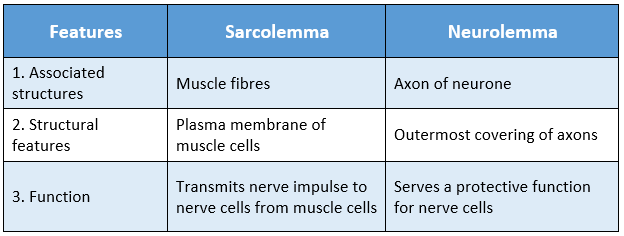
Question 25. What is the full form of the DPT vaccine?
Answer: Full form of DPT is Diphtheria, Pertussis (whooping cough), and Tetanus.

Question 26 What is the full form of TT?
Answer: Full form of TT is Tetanus toxoid.

Question 27 Which vaccine did Calmette and Guerin discover?
Answer: Calmette and Guerin discovered the vaccine against tuberculosis.

Question 28 Who discovered the vaccine of polio?
Answer: Jonas Salk discovered the vaccine of polio.

Question 29. Who discovered the Oral Polio Vaccine?
Answer: Albert Sabin discovered the Oral Polio Vaccine.

Question 30. What is the full form of BCG?
Answer: Full form of BCG is Bacillus Calmette-Guerin.

Question 31. What is the full form of MMR?
Answer: Full form of MMR is Mumps-Measles-Rubella.

Question 32. What is the full form of ATS?
Answer: Full form of ATS is Anti-Tetanus Serum.

Question 33. What is the full form of OPV?
Answer: Full form of OPV is Oral Polio Vaccine.

Question 34 Give an example of attenuated viral vaccines.
Answer: Vaccines of mumps, measles, rubella, and chickenpox belong to attenuated viral vaccines.

Question 35. What is the sub-unit vaccine?
Answer: The vaccine which is prepared by a certain molecular part of a pathogen, a viral protein for instance, is called a sub-unit vaccine.

Question 36. Give an example of a sub-unit vaccine.
Answer: The vaccine of Hepatitis B is a sub-unit vaccine.

Question 37. To which kingdom of the living world does the malaria pathogen belong?
Answer: The malaria pathogen belongs to the kingdom Protista.

Question 38. What is the other name of ‘Break Bone fever’?
Answer: The other name of ‘Break Bone fever’ is dengue.

Question 39. Which disease is commonly known as ‘Lock Jaw’ disease?
Answer: Tetanus is commonly known as ‘Lock-Jaw disease’.’

Question 40. Name a viral disease which is transmitted by mosquitoes.
Answer: Dengue is a viral disease that is transmitted by mosquitoes.

Question 41. Which type of hepatitis is transmitted through contaminated food and drink?
Answer: Hepatitis A is transmitted through contaminated food and drink.

Question 42. Name a virus, which causes severe diarrhea.
Answer: Rotavirus causes severe diarrhea.

Question 43. Name a disease caused by a retrovirus.
Answer: AIDS is caused by a retrovirus.

Question 44. What is full form of AIDS?
Answer: Full form of AIDS is Acquired Immune Deficiency Syndrome.

Question 45. Which day is observed as World AIDS Day?
Answer: Every year 1st December is observed as World AIDS Day.

Question 46. Name two common household disinfectants.
Answer: Phenyl and bleaching powder are two common household disinfectants.

Question 47. How can you disinfect your hands without using water?
Answer: Alcohol-based hand sanitizers can disinfect hands without water.

Question 48. Which day is observed as World Health Day?
Answer: Every year 7th April is observed as World Health Day.

Question 49. Mention the full form of the ‘WASH’ program as proposed by UNICEF.
Answer: The full form of the WASH program is-Water and Sanitation Hygiene program.

Chapter 4 Biology And Human Welfare Immunity And Human Fill In The Blanks

1. The ability of the body to resist the harmful effect of pathogens is known as Immunity

2. Immune system is formed for protecting our body from the hands of foreign invaders.

3. Acquired Active immunity develops naturally due to the introduction of antigens.

4. Antibody is produced in the body by the influence of Antigen

5. Thymus gland is a Primary lymphoid organ.

6. There are 5 types of antibodies in our body.

7. Antibody is Y shaped.

8. Antibody is made up of 4 a polypeptide chain.

9. In ‘T’ cells, ‘T’ indicates Thymus

10. Suppressor cells destroy T cells and T cells.

11. Plasma cells produce specific antibodies to inactivate Antigen

12 Two types of B cells are plasma cells and Memory cells.

13 Memory cells stay in Lymph glands.

14 An Allergen is a substance that can cause an allergic reaction by histamine secretion.

15 Edward Jenner is the founder of vaccinology.

16 The first smallpox vaccine was discovered by Edward Jenner

17 BCG vaccine introduced by Calmette Guerin.

18 BCG vaccine is a type of Attenuated vaccine.

19 Smallpox vaccine is a Heterotypic vaccine.

20 Tetanus vaccine is prepared by inactivated Toxin from Clostridium tetani.

21 A triple antigen is DPT

22 DPT vaccine is applied in the prevention of Diptheria, pertussis, and tetanus.
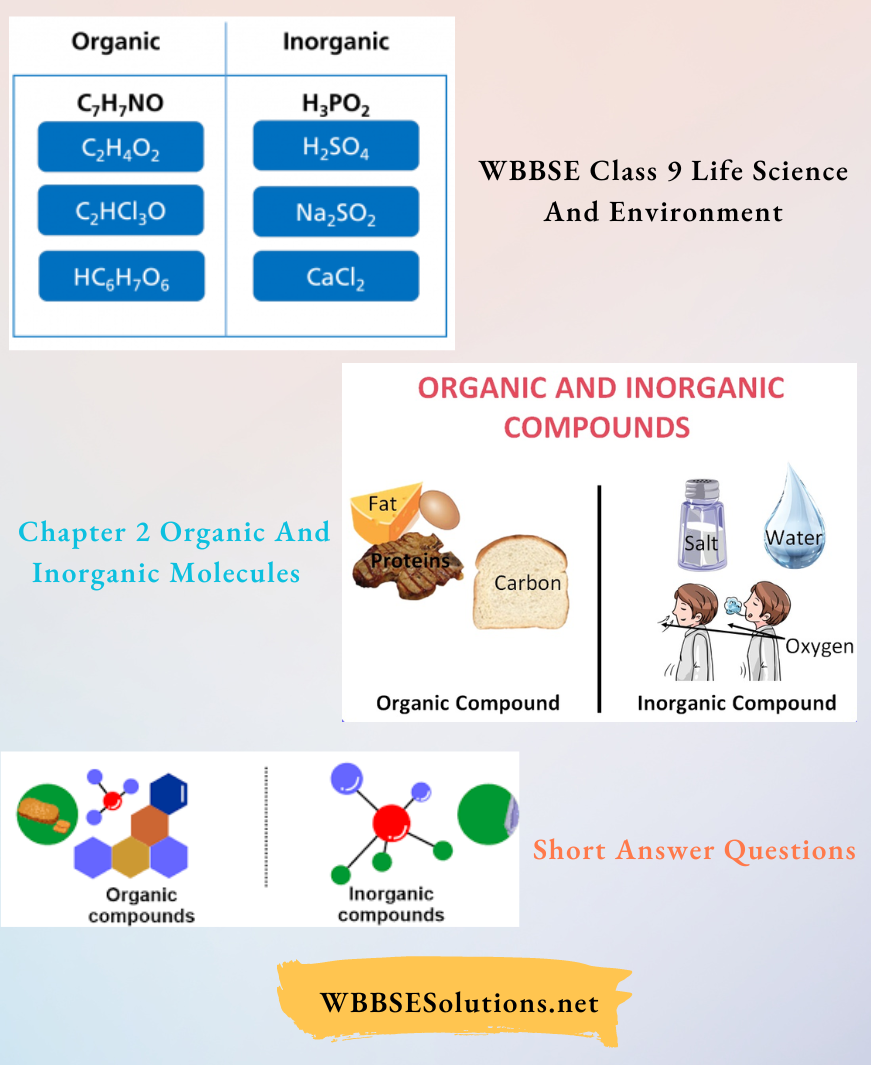
23 Diarrhoea is a Water-borne disease.

24 Mycobacterium tuberculosis is a pathogenic Bacterium

25 Repetitive actions of the muscle cramps, spasms, or tremors are symptoms of Tetany

26 The number of Bilirubin increases in the blood due to jaundice.

27 Methylated spirit and phenyl a type of Disinfectant

28 ‘WASH’ program was developed by UNICEF

Chapter 4 Biology And Human Welfare Immunity And Human State True Or False

Question 1. Antigens mainly include proteins.

Answer: True

Question  2. Toxic chemicals like snake venom can act as antigens.

Answer: True

Question  3. The epitope is part of an antibody.

Answer: False

Question 4. IgM is a pentamer.

Answer: True

Question  5. IgA is present in tears.

Answer: True

Question  6. Vaccination develops artificial active immunity.

Answer: True

Question  7. A vaccine against Hepatitis B is an example of a subunit vaccine.

Answer: True

Question  8. Stiffness of muscles with severe pain is a symptom of diarrhea.

Answer: False

Question  9. Tuberculosis is a virus-borne disease.

Answer: False

Question  10. Yellowing of the skin and eye is a symptom of pneumonia.

Answer: False

Question  11. Female Aedes aegypti mosquito carries Flavivirus from a diseased person to a healthy individual.

Answer: True

Question  12. AIDS is transmitted through drinking water.

Answer: False

Chapter 4 Biology And Human Welfare Immunity And Human Match The Columns

WBBSE Solutions For Class 9 Life Science And Environment Chapter 4 Biology And Human Welfare match the columns 1

Answer: 1-D; 2-A; 3-F 4-B; 5-C; 6-G

WBBSE Solutions For Class 9 Life Science And Environment Chapter 4 Biology And Human Welfare match the columns 2

Answer: 1-E; 2-A; 3-D; 4-B; 5-C; 6-G

WBBSE Solutions For Class 9 Life Science And Environment Chapter 4 Biology And Human Welfare match the columns 3

Answer: 1-B; 2-C; 3-D; 4-A; 5-F; 6-G

Chapter 4 Biology And Human Welfare Immunity And Human Find The Odd One Out

Question 1. Immunity, IgG, B lymphocytes, Bacteria

Answer: Bacteria

Question 2. Innate immunity, Acquired immunity, In born immunity, HCl of stomach

Answer: Acquired immunity

Question 3. Thomas gland, Helper T cell, Cellular immunity

Answer: B cell

Question 4. IgA, IgG, IgM, MMR

Answer: MMR

Question 5. DPT, OPV, BCG, HIV

Answer: HIV

Question 6. ATS, DPT, MMR, Lysozymes

Answer: Lysozymes

Question 7. Diarrhea, Cholera, Night blindness, AIDS

Answer: Night blindness

Question 8. Excessive fever, Joint pain, Skin rash, Pneumonia

Answer: Pneumonia

Question 9. Pain behind eyes, Rash over the skin, Severe headache, Typhoid

Answer: Typhoid

Question 10. Malignant malaria, High fever with shivering, Anaemia, Diarrhoea

Answer: Diarrhoea

Question 11. AIDS, Polio, Hepatitis-B, Tuberculosis

Answer: Tuberculosis

Question 12. Rotavirus, Salmonella, Entamoeba, Corynebacterium

Answer: Corynebacterium

Chapter 4 Biology And Human Welfare Immunity And Human Fill In The Blanks By Looking At The First Pair

1. IgG: Monomer:: IgM: Pentamer

2. Allergy: IgE:: Secretory antibody: IgA

3. B lymphocyte Humoral immunity:: T lymphocyte: Cell-mediated immunity

4. Maturation of T cell Thymus gland:: Maturation of B cell: Bone marrow

5. Vaccine: Active immunity:: ATS injection: Passive immunity

6. Secretion of cytokines: Innate immunity:: Application of vaccine: Acquired Immune response

7. TB: BCG:: Polio: OPV

8. HIV: T lymphocyte:: Plasmodium: RBC

9. Measles: Rubella virus:: AIDS: HIV

Chapter 4 Biology And Human Welfare Immunity And Human Among The Four Concepts Given, Three Of Them Belong To One. Find That

Question 1. Lysozyme, HC1, Mucous membrane, Innate immunity

Answer: Innate immunity

Question 2. Sebum, Saliva, Chemical barrier, Tears

Answer: Chemical barrier

Question 3. Carcinogenicity, Antigen, Allergenic, Anti genicity

Answer: Antigen

Question 4. Agglutination, Antibody, Humoral immunity, B cell

Answer: Humoral immunity

Question 5. γ globulin, Paratope, Disulphide bond, Heavy chain

Answer: γ globulin

Question 6. DPT, Vaccine, ATS, BCG

Answer: Vaccine

Question 7. Pneumonia, Diptheria, Tetanus, Bacterial diseases

Answer: Bacterial diseases

Question 8. Anemia, High temperature, Splenomegaly, Malaria

Answer: Malaria

Question 9. Destruction of T cells, HIV, Unprotected sexual intercourse, AIDS

Answer: AIDS

Question 10. Soap, Components of washing, Detergent, Methylated spirit, Water

Answer: Components of washing